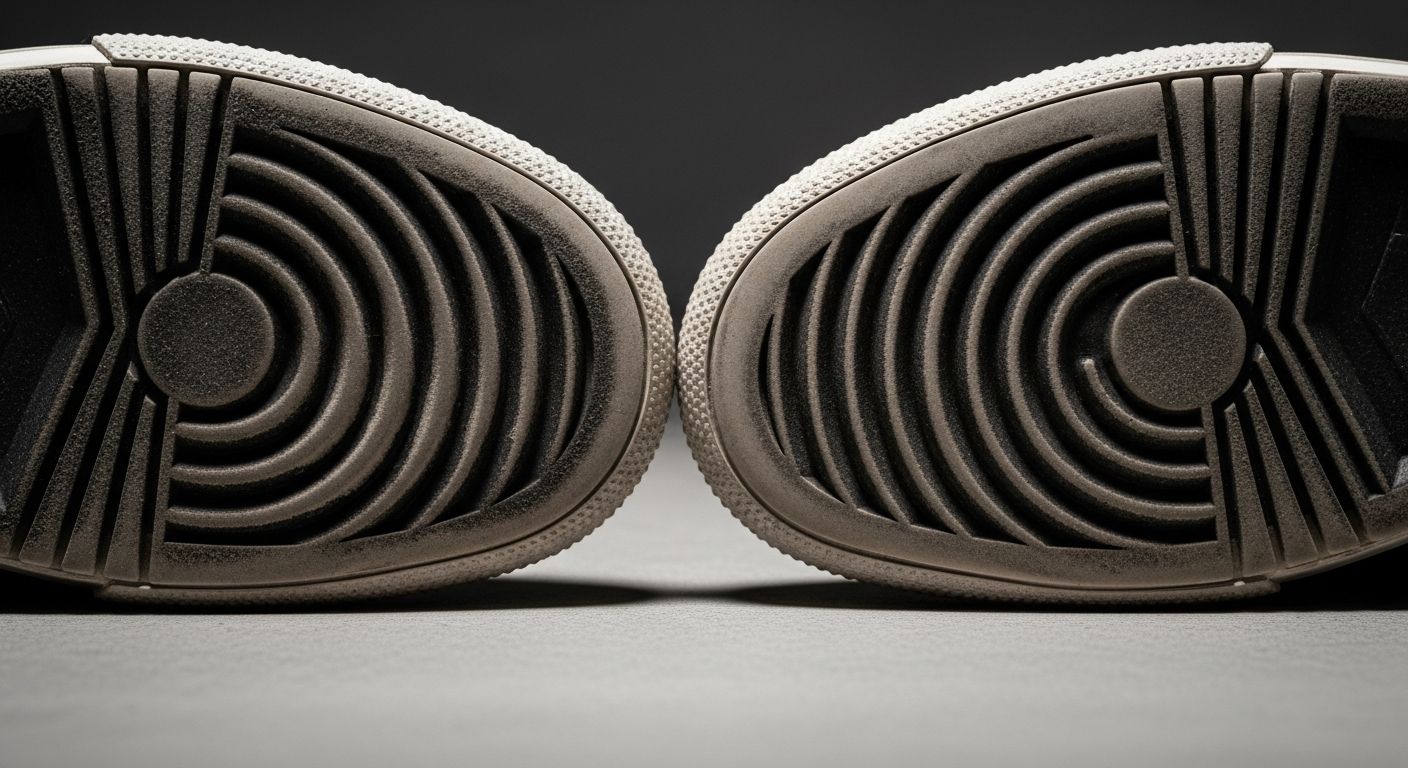
Have you ever wondered why some shoes seem to wear out more quickly on one side than the other? While we often chalk it up to simply walking a lot or the quality of the shoe itself, there’s often a deeper, more “hidden” reason behind this uneven wear pattern. If you’ve noticed that your sneakers are balding on the outside edge or your work shoes are caving inwards near the heel, it’s likely not a coincidence—nor is it purely about tenure or terrain.
Uneven shoe wear can offer profound insight into your body’s mechanics. It’s not just about fashion or utility—it could be a window into the health of your posture, gait, and even spinal alignment. From the subtle way your feet strike the ground when you walk to muscular imbalances, the causes are far more intricate than what meets the eye. Recognizing and correcting these patterns early can prevent more serious health concerns down the road.
Quick overview of uneven shoe wear causes
| Cause | Description |
|---|---|
| Gait Abnormalities | Differences in walking pattern, such as supination or pronation, which place pressure unevenly on the sole. |
| Muscle Imbalances | Weakness or tightness in muscle groups such as glutes, calves, or quadriceps can distort posture. |
| Limb Length Discrepancy | One leg slightly shorter than the other can cause uneven loading during movement. |
| Spinal Misalignment | Issues in the spine or hips can create an imbalance that leads to skewed walking mechanics. |
| Improper Footwear | Wearing shoes that lack support or cushioning can aggravate underlying postural issues. |
How your gait affects shoe longevity
The mechanics of how we walk—known as **gait**—play a crucial role in how shoes wear over time. Some people naturally land more on their heels (heel strikers), while others engage the midfoot or forefoot when stepping. These variations heavily affect the **distribution of wear patterns** on a shoe’s sole.
Those with *overpronation* (excessive inward rolling of the foot) tend to wear out the inside edge of the heel faster. Meanwhile, individuals with *supination* (outward rolling) often see more wear on the outer heel and the pinky toe area. Recognizing this can direct you to footwear that improves alignment—and even more importantly, prevent injuries like shin splints or plantar fasciitis.
The role of body asymmetry and posture
Even minor asymmetries in the body can lead to noticeable differences over time. It’s not uncommon for a person to have one leg slightly longer than the other or a pelvis that tilts more to one side. These **structural discrepancies** may create subtle compensations while walking, which are then reflected in how the soles of your shoes wear down.
When the body compensates for imbalance, certain muscles become overworked while others weaken. This leads to incremetal wear that starts small and worsens with each step. Over the months or years, the resulting **uneven stress distribution** becomes significant—and your shoes bear the silent testimony of that imbalance.
Spinal alignment connects to footfall patterns
Few people associate shoe wear with **spinal health**, but the connection is very real. The spinal column governs not just posture, but also how we walk and stand. A spine misaligned by habitually bad office seating, an old injury, or scoliosis can shift your weight-bearing distribution significantly, which—for example—**tilts your pelvis** and throws off your gait.
This domino effect creeps all the way down to your toes. Without correction, the body develops compensations that manifest in every step, showing most visibly through the shoes you wear every day. These patterns offer vital insight into potential back-related problems long before pain becomes obvious.
“People don’t often consider their shoes a diagnostic tool, but wear patterns speak volumes about gait and even deeper spinal or postural issues.”
— Dr. Salila Mekchai, Orthopedic Specialist
Why shoe quality alone doesn’t solve the problem
Many assume that poor shoe quality is the root of all wear issues, but this isn’t always accurate. Even top-tier orthopedic or athletic shoes will wear unevenly if **underlying body mechanics** are off-balance. The job of a shoe is to support, but if the imbalance is internal, the supportive structure simply bends to fit the dysfunction rather than correct it.
This is why changing your brand of shoes doesn’t fix chronic wear issues. Often, what you need is an adjustment in posture, possibly paired with **custom insoles or physiotherapy**. Until those foundational challenges are addressed, your shoes will continue to mirror your asymmetry.
Winners and losers in footwear durability
| Winners | Why |
|---|---|
| People with neutral gait | More balanced pressure distribution means shoes last significantly longer. |
| Users of custom orthotics | Custom inserts help counteract gait issues, preventing uneven wear. |
| Losers | Why |
| Those with untreated posture issues | Imbalances in alignment create unnatural shoe pressure points. |
| Heavy heel-strikers | They quickly destroy the rear-foot cushioning and shape of most footwear. |
How to diagnose and fix uneven shoe wear
So how do you address uneven shoe wear from the root? First, take a look at multiple pairs of your older shoes. Place them side by side on a flat table and check for noticeable outward or inward leaning, heel collapse, or inner sole thinning. This quick inspection can offer **non-invasive insight** into your body’s movement patterns.
Next, consider consulting a **physiotherapist or podiatrist** who can conduct a gait analysis. Many facilities offer treadmills with sensors that monitor stride, pressure points, and alignment. Based on this, the professional may recommend posture correction exercises or **custom orthotics** designed to realign foot function.
Prevention methods to consider
To extend your footwear’s lifespan and improve your own comfort, here are practical steps:
- Rotate your shoes: Don’t wear the same pair daily—allow them to decompress.
- Strengthen stabilizing muscles: Core and glute workouts can go a long way in improving alignment.
- Avoid cheap cushioning: Opt for shoes with proper arch support and heel padding tailored to your gait pattern.
- Use inserts if needed: Over-the-counter or custom inserts can correct mild misalignments.
- Review posture habits: Evaluate how you sit, stand, and walk to identify contributing behavior.
“Fixing the problem of shoe wear starts by fixing how your body moves. The shoes are just the symptom—your movement is the cause.”
— Anan Raksakulthai, Physical Therapist
Short FAQs about shoe wear patterns
What does it mean if my shoes wear on the outer heel?
That often indicates supination—where your foot rolls outward when walking, potentially causing ankle strain.
Why do only one of my shoes wear out faster?
Asymmetry such as a leg length difference or pelvic tilt could result in misbalanced walking and uneven wear.
Can uneven shoe wear cause injuries?
Yes. It may cause or worsen injuries like shin splints, knee pain, or plantar fasciitis by altering foot mechanics.
How often should I replace everyday shoes?
Typically every 300–500 miles of walking or when notable imbalance or sole compression is evident.
Can orthotic insoles reverse shoe wear patterns?
They can help redistribute pressure properly, possibly reducing or correcting uneven shoe wear over time.
Should I see a doctor for uneven wear?
If your shoes show consistent unusual patterns, a visit to a podiatrist or physiotherapist is highly recommended.
Is it okay to keep wearing unevenly worn shoes?
Not recommended—the imbalance could worsen posture and increase your risk of injury.
What exercises help with gait correction?
Exercises focusing on balance, core strength, hip mobility, and foot muscle activation can be beneficial.