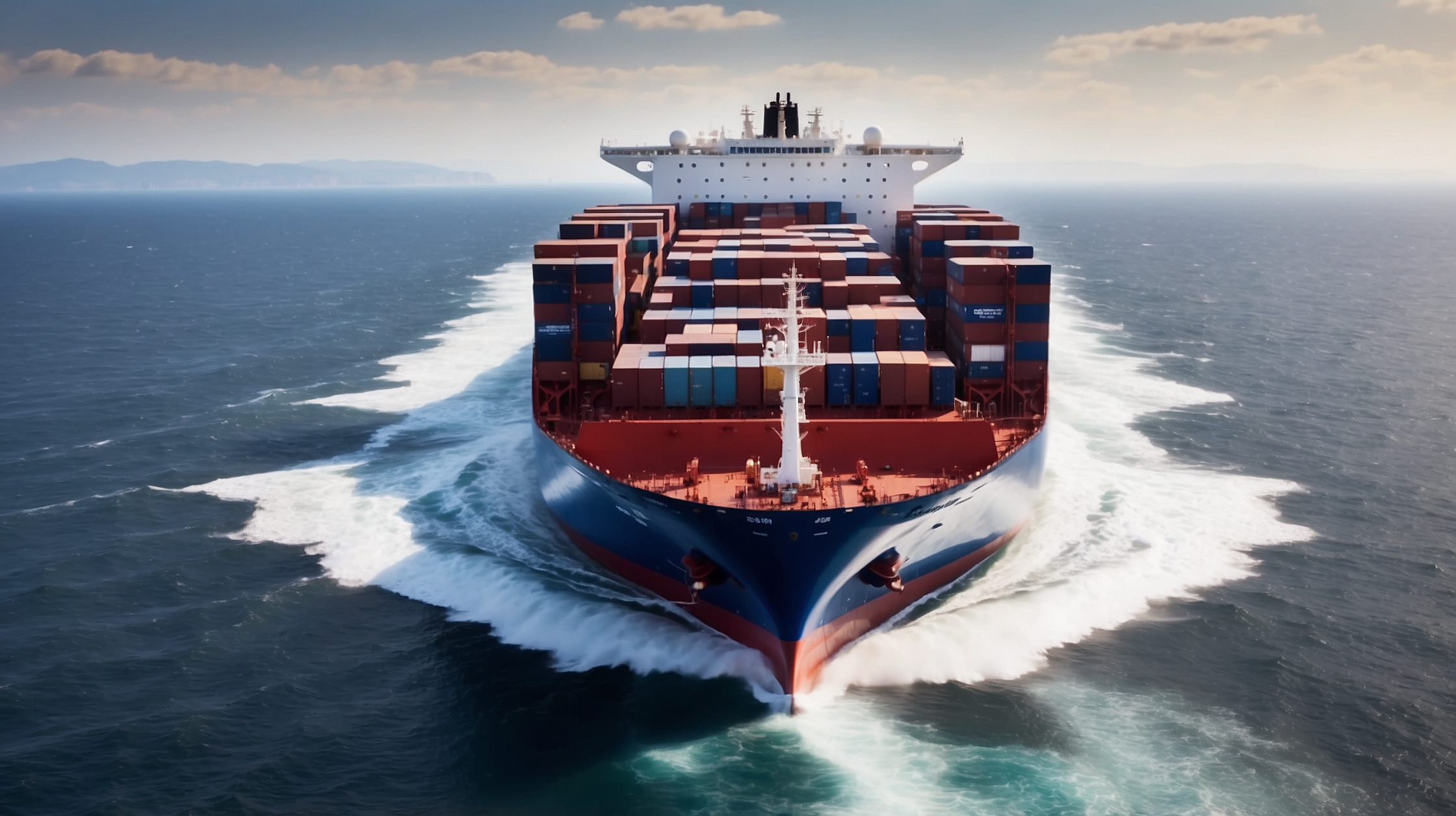
High above oceanic trade routes, giant vessels bearing thousands of metal containers traverse the world’s seas, fueling the flow of global commerce. These ships often fade into the background, but their significance is paramount — they carry everything from electronics and clothing to vehicles and pharmaceuticals across continents. As environmental regulations tighten and the climate crisis intensifies, major shipping companies are being forced to innovate. One French shipping titan, CMA CGM, is doing just that — not with incremental changes, but with a bold leap into a sustainable future.
In a monumental move to reduce its environmental footprint and solidify its status as an industry leader, CMA CGM, the world’s third-largest container carrier, has introduced six state-of-the-art liquefied natural gas (LNG) mega-ships. These vessels mark a new era for the maritime industry. Their construction and deployment reflect both an environmental awakening and a strategic pivot aimed at operational efficiency and long-term competitiveness. As the smoke clears around traditional bunker fuel engines, a new, cleaner propulsion is steering this shipping giant forward.
But this is more than a story about new ships. It’s a signal of how global logistics are adapting to pressure from regulators, shareholders, and a changing planet. With the delivery of these six LNG-powered mega-ships, CMA CGM is making a clear statement: the future of shipping can, and must, be greener.
Overview of CMA CGM’s LNG Mega-Ship Initiative
| Aspect | Details |
|---|---|
| Company | CMA CGM |
| Ranking | 3rd largest container ship company worldwide |
| New Additions | Six new LNG-powered mega-ships |
| Ship Length | 400 meters each |
| TEU Capacity | 13,000 TEU per ship |
| Fuel Type | Liquefied Natural Gas (LNG) |
| Strategic Route | Asia-Europe lines via Suez Canal |
Why these mega-ships represent a major industry shift
Shipping accounts for nearly 3% of global greenhouse gas emissions. As regulations tighten, the maritime industry is under increasing pressure to cut back its carbon footprint. The addition of these six LNG-powered vessels constitutes CMA CGM’s sharpest pivot yet toward sustainability. LNG as a fuel source produces approximately 20-30% fewer CO₂ emissions compared to traditional bunker fuel, while drastically reducing particles like SOx (sulfur oxides) and NOx (nitrogen oxides).
Each new vessel is about 400 meters long and capable of transporting over 13,000 twenty-foot equivalent units (TEUs). This contributes not only to environmental sustainability but also to economic viability. Larger, more efficient ships reduce fuel consumption per container, lowering cost and emissions simultaneously.
“These vessels are not just ships — they’re symbols of a new era in shipping, one that respects both the planet and business logic.”
— Marc Jarnault, Maritime Logistics Analyst
From diesel to LNG: an eco-strategy with measurable impact
These ships aren’t CMA CGM’s first LNG-powered vessels, but they do represent a major boost to their existing green fleet. The company has previously committed to carbon neutrality and aims to reach net-zero emissions by 2050. With these six additions, over 30 of its vessels will now run on LNG, aligning perfectly with European Union and International Maritime Organization (IMO) directives aimed at cleaner shipping solutions.
The shift to LNG allows CMA CGM to lower its sulfur oxide emissions by nearly 99%, nitrogen oxide by 85%, and fine particulate matter by 98%. It’s a significant leap from just a decade ago when most of the industry relied heavily on heavy fuel oil, one of the most polluting fuel types.
“The ships’ emissions reductions demonstrate the viability of LNG technology at this scale. It’s a positive example for the entire sector.”
— Dr. Isabelle Comer, Climate Policy Expert
Key shipping routes and strategic deployments
The six mega-ships will primarily serve the Asia-Europe route via the Suez Canal, one of the busiest and most strategic maritime pathways. This corridor is responsible for a high volume of container traffic and was carefully selected to maximize the environmental and economic benefits of the LNG ships. The vessels’ high TEU capacity ensures that more goods can be transported per journey, reducing the need for additional trips and thereby lowering total emissions.
CMA CGM expects that this strategic deployment will generate both carbon savings and cost competitiveness. Supply chain partners along this route are already being engaged to collaborate on future-ready shipping logistics embracing sustainable goals and technological upgrades.
Winners and losers from this transformation
| Winners | Losers |
|---|---|
| Environmental advocacy groups | Traditional fuel suppliers |
| Eco-conscious importers/exporters | Operators relying on outdated fleets |
| Global regulators (EU/IMO) | High-emission container ports |
| Supply chains in Europe and Asia | Non-LNG compliant shipbuilders |
Challenges and industry concerns
Despite the ecological benefits, LNG is not without its critics. It is still a fossil fuel and produces methane, a greenhouse gas even more potent than CO₂ if leaked into the atmosphere. Methane slip during extraction, processing, and even engine operation can reduce, or in some cases negate, the environmental benefits. CMA CGM has acknowledged these concerns and is investing in next-gen propulsion technologies including bio-LNG and hydrogen-based fuels for future use.
Additionally, logistical infrastructure for refueling LNG ships remains limited in some regions, notably in emerging markets. The company is partnering with refueling stations in key port cities to expand this capability while aligning with upcoming maritime fueling standards.
Future outlook and industry implications
CMA CGM’s move is expected to catalyze wider industry adoption of LNG and other alternative fuel sources. Its competitors, like MSC and Maersk, are already exploring methanol and ammonia-based zero-emission choices. However, CMA CGM’s decisive step to scale LNG now positions it for short- and mid-term dominance, especially in emission-regulated markets like Europe.
This fleet expansion also sends a crucial market signal: environmental shifts are not just ethical, they’re economical. As consumer demand increases for planet-friendly practices, brands that adopt sustainability in supply chains will likely favor shipping partners like CMA CGM who align with their environmental values.
“Make no mistake: This is not greenwashing. It’s a genuine gear shift that will influence policy, ports, and partnerships globally.”
— Laurent Morel, Maritime Energy Consultant
Short FAQs about CMA CGM’s LNG Mega-Ships
What is LNG and why is it used in shipping?
LNG, or liquefied natural gas, is a cleaner-burning fossil fuel used to power engines with significantly lower CO₂ and pollutant emissions compared to traditional marine diesel.
How large are the new CMA CGM LNG ships?
Each ship is approximately 400 meters long and can carry up to 13,000 TEUs, making them some of the largest on the planet.
Where will these ships mainly operate?
The ships will serve the crucial Asia-Europe shipping corridor via the Suez Canal.
How many LNG ships does CMA CGM now have?
With the latest six additions, CMA CGM’s LNG fleet exceeds 30 vessels, making it one of the world leaders in LNG container shipping.
Are there any environmental drawbacks to using LNG?
Yes. While LNG lowers CO₂ and other pollutant emissions, it can result in methane slip, a potent greenhouse gas. However, technology is improving to curb this.
What is the long-term goal for CMA CGM’s fuel strategy?
CMA CGM aims to achieve net-zero carbon shipping by 2050, investing in LNG today while researching bio-LNG and other alternative fuels for tomorrow.
Will this impact the price of shipping for consumers?
In the short term, costs may stabilize or slightly increase, but long-term savings from fuel efficiency may lead to better pricing and fewer regulatory penalties.
Is this part of CMA CGM’s broader environmental policy?
Yes. This move is part of CMA CGM’s comprehensive sustainability roadmap to modernize its fleet, reduce emissions, and comply with international environmental directives.