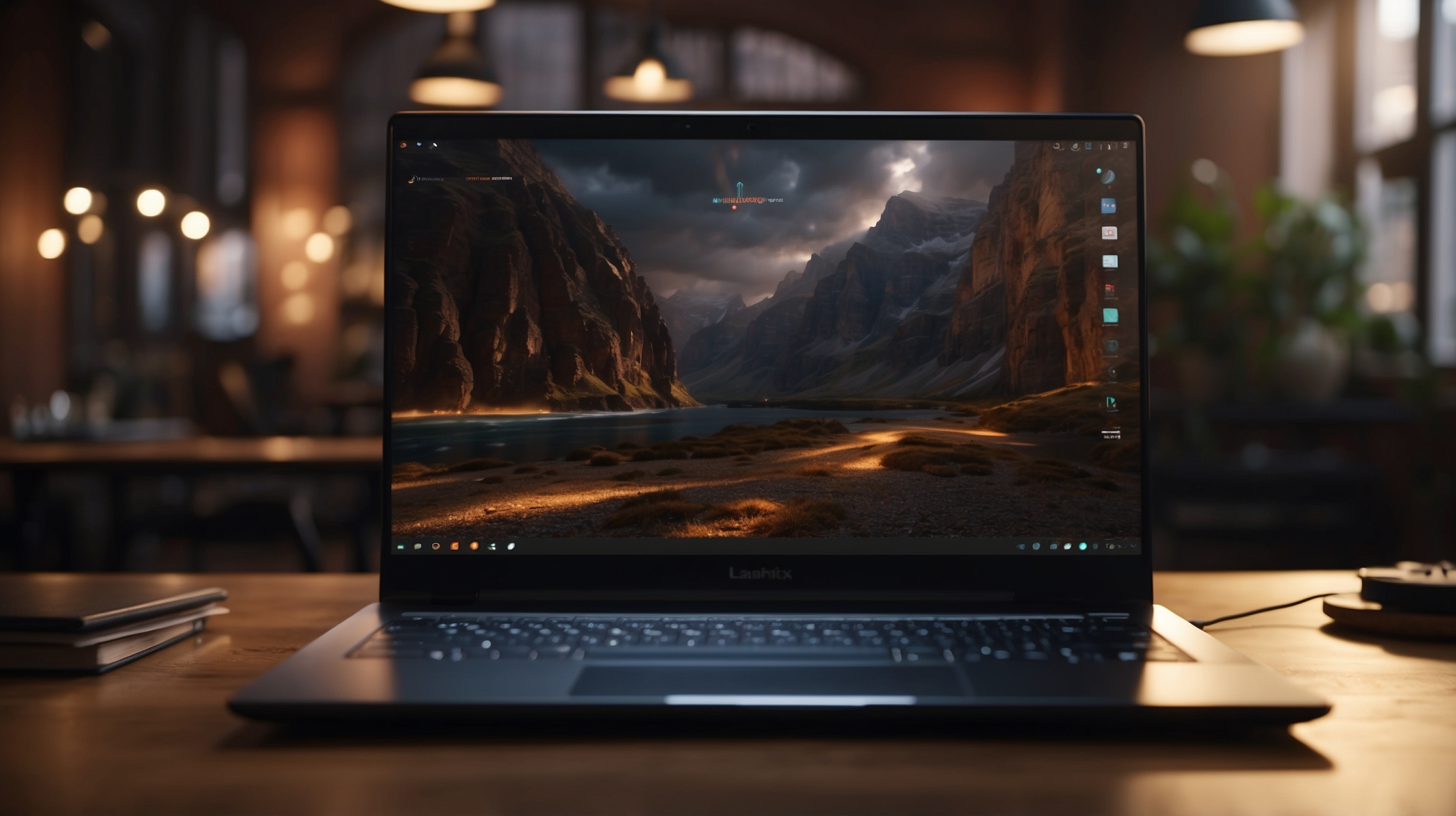
The world of personal computing is on the edge of a seismic transformation. What if your powerful gaming laptop could run intense 3D games or process AI workloads without the deafening whirl of fans or the scorching sensation under your palms? A bold new innovation promises just that—ushering in a new era of *silent, efficient, and futuristic laptop cooling*. A startup has cracked the thermal code by replacing the time-tested fan-based cooling system with something out of a sci-fi movie: **plasma-based cooling**.
For decades, PCs and laptops have relied on fans or liquid cooling to tame the overwhelming heat generated by their processors during peak performance. While these solutions have evolved and become more efficient, they still have significant limitations—bulk, noise, dust accumulation, and energy consumption. What if those limitations could be a thing of the past? That’s exactly what the innovative team behind this new technology claims to deliver, marking a massive leap forward in computing hardware design.
This paradigm shift didn’t happen overnight. Years of research, deep tech investment, and the pursuit of quieter, thinner, and more energy-efficient machines have converged into the release of the **world’s first laptop cooled using plasma**. And now, the global tech community is turning its head to witness how this development could redefine the standards for laptop design and functionality across industries from gaming and engineering to corporate enterprise and creative studios.
What makes this cooling technology so revolutionary
| Feature | Details |
| Product Name | SUBOR Z5 Laptop |
| Cooling Type | Plasma Actuator (Zephyr System) |
| Processor | AMD R7 8845HS |
| GPU | Radeon 780M (integrated) |
| Memory | 32 GB LPDDR5X RAM |
| Storage | 1TB M.2 NVMe SSD Gen4 |
| Target Audience | Gamers, developers, engineers |
Understanding the plasma cooling system
Dubbed the **Zephyr Cooling System**, this groundbreaking technology replaces traditional mechanical fans with **plasma actuators**, enabling thermal management without moving parts. The system uses special electromagnetic fields to ionize air molecules and create smooth, efficient airflow inside the laptop chassis. The effect? A genuinely “fanless” design that silently cools high-performance components under load.
Though plasma cooling was historically limited to advanced aerospace engineering due to high complexity, recent advancements in miniaturization and thermal dynamics have made adapting this for consumer electronics a reality. The Zephyr system consumes less power and generates no mechanical vibration—transforming user experience for anyone sensitive to noise or who demands uninterrupted performance.
For years, fan cooling has been a bottleneck in laptop design. With plasma-based thermal regulation, we’re not just improving how laptops function—we’re redefining how they feel.
— Dr. Chen Yu, Chief Technology Officer, Zephyr Lab
Performance powerhouse beneath the surface
The SUBOR Z5 is more than just a vessel for experimental cooling—it is a capable machine in its own right. Housing AMD’s latest **Ryzen 7 8845HS processor**, this laptop offers 8 Zen4 cores, Zen4+ architecture, and AI-enhanced instructions. Combined with an integrated **Radeon 780M GPU**, the system supports light-to-mid-level gaming and high-efficiency multimedia content creation.
The laptop comes equipped with **32GB of LPDDR5X memory**, significantly improving memory throughput, perfect for complex multitasking, large datasets, or creative applications such as high-resolution video editing. With **1TB SSD storage** based on Gen4 NVMe architecture, data access and software boot times are near-instantaneous—making this laptop not only silent but blisteringly fast.
Why this matters for the future of laptops
Consumers are increasingly demanding **thinner, lighter, and quieter machines**, especially for remote work, content creation, and mobile gaming. Removing noisy fans means fewer breakable parts, longer system durability, and fewer maintenance issues from dust or mechanical wear. Fan removal also creates more space inside the chassis, allowing for enhanced battery capacity, better component layout, and even new design forms such as foldables or rollable screens.
Additionally, for data centers and companies managing large fleets of laptops, reducing mechanical cooling needs could also translate into **lower energy consumption and carbon footprint**, aligning with broader environmental policies and sustainable tech initiatives.
Laptop fans are small but significant contributors to device failure rates. This innovation could drastically reduce downtime and maintenance costs.
— Aiko Matsuda, Senior Analyst, GreenTech Computing Research
First impressions and design elements
Photos and demo models of the SUBOR Z5 point to a minimalist yet premium aesthetic. Without the space and noise requirements of fans, the chassis remains slim and uniformly ventilated using **passive grilles and internal plasma channels**. There are no visible fans on the bottom or sides of the device, and thermal simulation indicates that the plasma jets guide hot air out from keyboard and hinge sections without affecting ergonomics.
This also fosters **completely silent operation**, something only achievable in fanless tablets or underpowered laptops until now. Whether watching a 4K movie, participating in Zoom meetings, or gaming late into the night, users can now enjoy a truly immersive and uninterrupted experience.
Availability and expected cost
The SUBOR Z5 is expected to launch in select Asian markets first, followed by a global release if market reception is positive. While no official price point has been announced, early market projections suggest a premium tag between **$1,200 and $1,600 USD**, subject to final configuration. Given its flagship specifications, cutting-edge cooling, and sleek design, this cost is likely justified for early adopters and tech enthusiasts.
Winners and those left behind
| Winners | Losers |
| Gamers seeking silent performance | Fan manufacturing companies |
| Remote professionals | Budget laptop segments |
| Eco-conscious enterprises | High-maintenance rigs |
| Tech enthusiasts | Older cooling technologies |
What this means for competitors
Traditional laptop titans including Apple, Dell, and HP have long been working towards silent, heat-efficient designs—but few have openly considered plasma cooling for mass-produced laptops. **This disruptive move could pressure competitors** to invest more aggressively in alternative cooling R&D. If plasma cooling proves scalable and reliable under normal wear conditions, it may ignite an industry-wide sprint similar to the shift towards SSDs or USB Type-C ports.
As consumers experience the wow factor of a powerful, silent laptop, their expectations for what a laptop “should be” will inevitably change. This innovation could mimic other groundbreaking shifts in technology history—such as touchscreen phones or OLED displays—where early adoption led to mainstream industry change within years.
Short FAQs about the plasma-cooled laptop
What is plasma-based laptop cooling?
Plasma cooling uses ionized air and electromagnetic fields to move heat, eliminating the need for traditional fans and resulting in silent thermal regulation.
Is this cooling method safe for users?
Yes, the plasma produced is low-energy, controlled, and enclosed within the device architecture, posing no risk to users.
Why is the laptop completely silent?
Since there are no moving fans or mechanical components generating white noise, the system operates in complete silence.
Will this laptop overheat during gaming?
No, the system is tested to handle high-performance loads, thanks to the Zephyr plasma system that ensures efficient airflow and cooling under stress.
What’s the expected battery life?
Precise battery metrics are pending official release, but with no fans drawing power, the efficiency is likely improved over similar-spec fan-cooled laptops.
Can plasma cooling replace all fan systems?
While promising, it’s still early. Plasma cooling might first become mainstream in premium models before replacing traditional fans across all segments.
Who is this laptop best suited for?
Ideal for gamers, coders, creators, and professionals who value quiet performance and cutting-edge tech design.
When is it officially launching?
Initial launch is set for select Asian markets, with possible global rollout depending on user adoption and performance feedback.