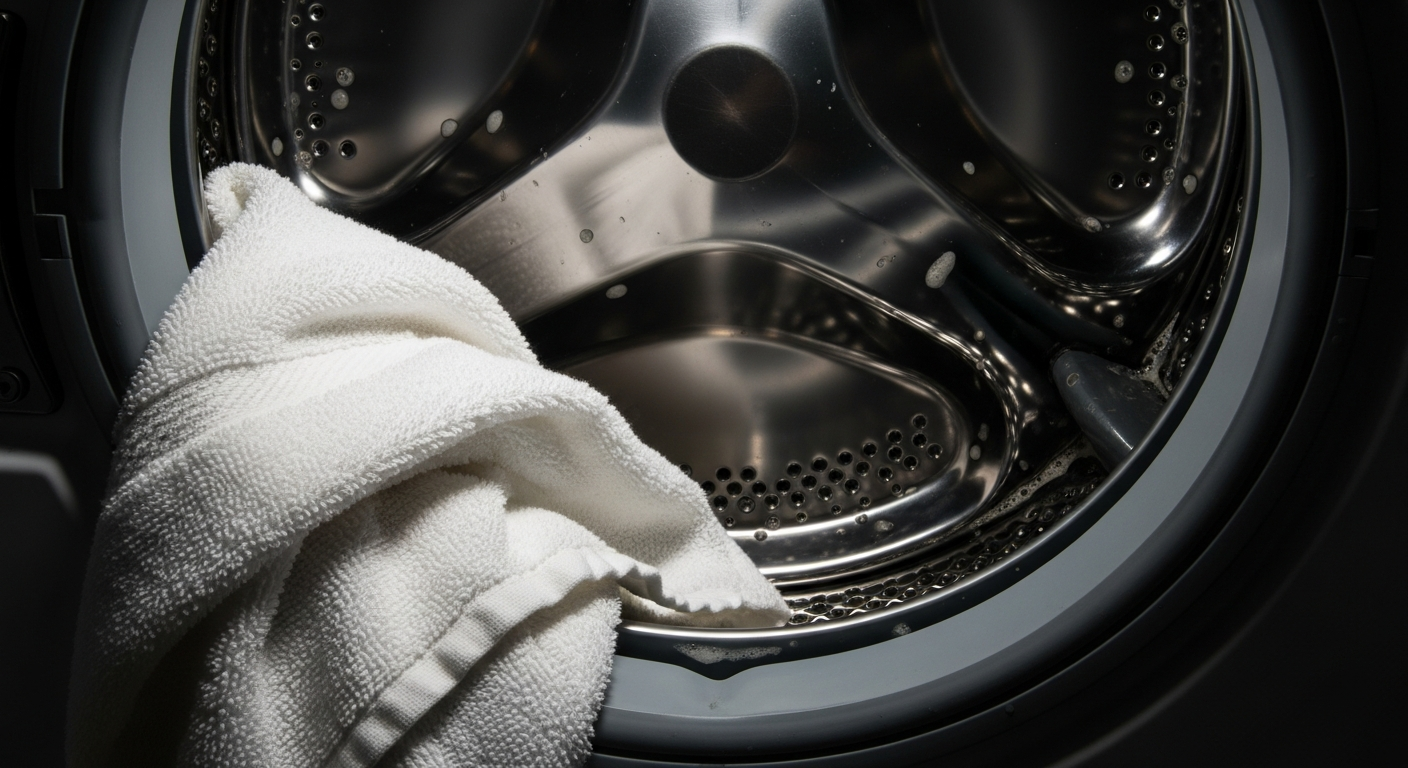
That satisfying scent of freshly laundered clothes might not be what it seems. Many households take comforting pride in the smell of “clean” laundry, believing it signals true freshness and hygiene. But new revelations reveal a hidden problem lurking behind those perfumed piles—an illusion of cleanliness that masks deeper issues within your laundry routine. Are your clothes actually clean, or just covered with chemicals?
The answer may surprise you. It turns out, much of the “fresh” aroma comes not from true cleanliness, but from **fragrances and residues** built up through repeated washing. Over time, these invisible layers trap bacteria, mold, and mildew deep in the fabric fibers. That musty smell returning after just one wear? It’s not your imagination—it’s your laundry fighting against years of detergent overload, improper drying, and moisture retention.
This overlooked problem is sparking a critical reevaluation of our laundry habits. From clogged washing machines to poor airflow in closets, the culprit behind persistent laundry odor often lies in habits we’ve carried for years without questioning. Fortunately, solutions—from deep-washing techniques to switching detergent formulas—are more accessible than ever.
What’s really going wrong with your “clean” laundry
| Issue | Impact |
|---|---|
| Buildup of detergent and softener | Traps odors, creates a film that holds bacteria |
| Overloading the washer | Reduces water circulation, leads to incomplete rinsing |
| Using too much detergent | Leaves soap residue that can smell stale over time |
| Not cleaning the machine regularly | Leads to mold and mildew inside the washer |
| Inadequate drying | Encourages bacteria and mildew growth |
The invisible layers building up in your fabrics
Repeated exposure to detergents, softeners, and fragrances results in stubborn buildup. Over time, your towels, shirts, and sheets accumulate layers of **surfactants**, oils, dead skin, and grime that detergent alone can’t easily remove. These layers act as a magnet for bacteria and moisture, which explains the lingering funk—even after a wash. As ironic as it sounds, the better your laundry smells today, the more likely it’s being masked rather than truly cleaned.
Another major contributor is **fabric softener**, which leaves behind a waxy coating intended to make clothes feel soft and smell good. Unfortunately, that same coating also prevents deep cleaning, trapping odors beneath a fragrant layer. Worse still, this residue clogs washers and builds up in drain lines over time.
The role of your washing machine in this cycle
Modern high-efficiency washers use **less water**, which is good for the environment but can prevent proper rinsing if loads are too large or detergent use is too high. Residue builds in hard-to-reach places, especially if the machine isn’t cleaned frequently. Over time, this leads to a moldy odor seeping into every wash cycle, regardless of how much detergent or softener you use.
Most homeowners don’t realize that washing machines need cleaning just like any other household appliance. Without regular maintenance, even the best laundry detergent can’t overcome the bacteria sitting in your drum, seals, and dispensers.
How humidity and storage promote musty smells
The environment where you store your laundry also plays a significant role. Improper drying or storing damp clothes in tight spaces prevents full evaporation. Closets without airflow can become a breeding ground for hidden mold and mildew, especially in warm climates. That seemingly fresh garment quickly transforms into a sour-smelling disappointment within hours or days.
Moisture from bathrooms, insufficient room ventilation, and tightly packed closets speed up the process. As fabrics reabsorb that trapped moisture, they reactivate any lingering impurities, releasing unwanted odors every time you open your wardrobe.
Steps you can take to truly refresh your laundry
Luckily, there’s a path to genuine freshness. These actionable strategies not only eliminate odors but prevent residues, bacteria, and mold from building up in the first place:
- Strip wash old fabrics – A deep soaking method using baking soda, washing soda, and borax to clear out hidden residues.
- Limit detergent use – Use the *minimum recommended amount* per load to avoid residue overload.
- Skip softeners regularly – Replace with a small amount of distilled vinegar or switch to unscented alternatives.
- Dry thoroughly – Ensure clothes are completely dry before folding or storing.
- Open closet doors – Promote airflow in storage spaces and install dehumidifiers if necessary.
- Clean your machine monthly – Use designated cleaner tablets or a vinegar and baking soda cycle to refresh the drum and filters.
Natural alternatives that really work
Trending across sustainable communities are **natural deodorizers** that refresh clothes without the chemical aftermath. White vinegar, baking soda, and essential oils can do wonders for both odor elimination and fabric softening—while respecting sensitive skin and the environment.
Many households now use **dryer balls infused with essential oils**, remove lingering smells with white vinegar rinse cycles, or reduce machine use altogether by air-drying in sunny spots. These methods reduce moisture retention and allow fabrics like cotton and linen to breathe better, extending freshness.
How manufacturers are responding
Laundry product companies are increasingly aware of consumer demand for cleaner, safer clothing routines. New detergent formulas are being designed to clean more deeply without heavy perfumes. The rise of **enzyme-based cleaners** is an example—these formulas break down odor-causing bacteria and residue at the molecular level.
Meanwhile, appliance companies are introducing self-cleaning cycles and antimicrobial coatings to combat bacterial growth within washers. Still, they advise active cleaning every 30–60 days.
“It’s not just about how clothes smell coming out of the dryer—what matters is what’s embedded in those fibers. Bacteria don’t care about fragrance.”
—Dr. Lena Park, Microbiologist & Clean Systems Researcher
Winners and losers of this new laundry awareness
| Winners | Losers |
|---|---|
| People with sensitive skin | Heavy-fragrance detergent manufacturers |
| Eco-conscious households | Old-style washers without self-cleaning |
| Minimalist laundry product brands | Softener-dependent laundry routines |
| Natural and enzyme-based products | Overloaded laundry machines |
What the shift means for urban living and renters
Renters and city dwellers often share laundry spaces or rely on older machines in tight apartments—conditions that amplify odor and residue buildup. Without the ability to deep clean washer interiors, renters face even greater challenges. Solutions such as portable steaming devices, dryer sheets infused with vinegar, and regular closet airing are gaining popularity to mitigate these concerns.
Products that work without needing high machine efficiency—like detergent strips and eco-pods—are selling fast among these demographics. Their compact size and lower scent profile help reduce not just waste, but *false freshness*.
Lasting changes to your laundry mindset
Reevaluating your routine may seem tedious, but the switch to *true freshness* has long-term benefits: better-smelling clothes for longer, reduced allergens, and fewer bacterial outbreaks. You also extend the life of both your wardrobe and your appliances.
Removing the mental association between fragrance and cleanliness makes room for more sustainable laundry habits and demands from product developers. In short, embracing a **cleaner clean** starts with rejecting the myth of “clean smell” as a standard.
Frequently Asked Questions
Why do my clothes smell bad after being washed?
Odors can persist due to detergent buildup, poor rinsing, mold in your washer, or storing damp clothes. Residue traps bacteria that are reactivated by moisture or body heat.
How often should I clean my washing machine?
Experts recommend a deep cleaning routine every 30 to 60 days. Use vinegar or commercial washer cleaner tablets to eliminate inside buildup and prevent smells.
Is using more detergent better for cleaning?
No. In fact, too much detergent can lead to buildup and musty smells. Always follow label recommendations and measure correctly.
Can fabric softener cause odors?
Yes. Fabric softener leaves behind a waxy residue that can trap bacteria and inhibit proper cleaning, leading to unpleasant odors over time.
What’s a natural way to deodorize clothes?
Use white vinegar in the rinse cycle, sprinkle baking soda in the drum, or line-dry laundry outside in sunlight to naturally kill bacteria and eliminate smell.
What is strip washing and should I try it?
Strip washing is a process of soaking laundry in a solution that removes deep-set residues from detergents and dirt. It’s recommended for towels, workout gear, and heavily used fabrics.
Is air-drying better than machine drying?
Air-drying allows fabrics to breathe and reduces moisture trapping, especially when done in sunny, ventilated conditions. It also extends garment life.
Do detergent pods contribute to buildup?
Pods can leave residue just like liquid detergents if used in hard water or with cold cycles. Always follow the manufacturer’s instructions for optimal use.