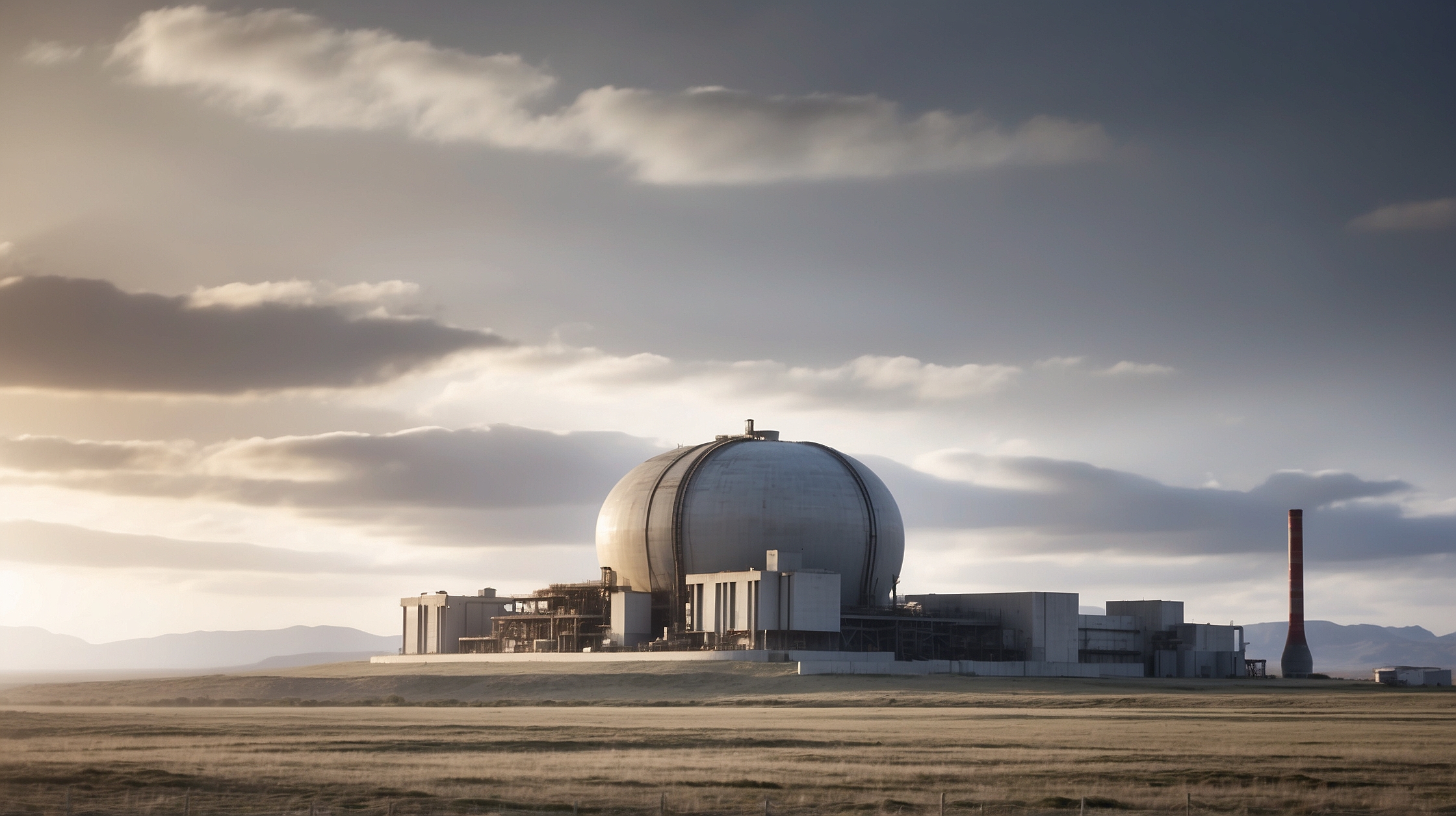
In a dusty corner of China’s Gobi Desert, a scientific resurrection is unfolding that could dramatically reshape the landscape of global nuclear energy. More than 60 years after the technology was first conceptualized and quickly shelved, Chinese researchers have revived and modernized a powerful fuel process — one that doesn’t rely on the world’s dominant nuclear fuel, uranium. If successful, this could mark a revolutionary shift in how humankind powers the future.
China’s pursuit of molten salt reactors using thorium — a naturally abundant element that’s safer and more efficient than uranium — signals a bold new chapter in energy innovation. Once cast aside during the Cold War in favor of weapons-ready nuclear systems, the thorium-based system is now getting a second life in the battle against climate change and energy insecurity. And it’s not just a scientific curiosity — it’s backed by billion-dollar investments, strategic national policies, and the attention of global stakeholders.
Why is this happening now? Because the world is searching for cleaner, safer, and geopolitically sustainable energy sources. As traditional uranium supplies become increasingly politicized and harder to manage, China is positioning itself to leap forward using technology that’s 60 years old yet potentially decades ahead of its time.
Overview: What makes China’s molten salt reactor project unique
| Country Leading the Initiative | China |
| Technology Revived | Thorium-based Molten Salt Reactor (MSR) |
| Fuel Type | Thorium |
| Location | Wuwei, Gobi Desert, Gansu Province |
| Projected Benefits | Cleaner energy, reduced nuclear waste, safer reactor operation |
| Launch Timeline | Pilot operational by 2024–2025 |
Why this nuclear breakthrough is historic
Molten salt reactors (MSRs) were first explored by the United States in the 1960s, particularly at the Oak Ridge National Laboratory. Though results were promising, the technology was ultimately sidelined in favor of uranium-based reactors that produced plutonium — useful for nuclear weapons during the geopolitical tensions of the Cold War. Thorium, lacking the same military utility, fell by the wayside.
Today, the strategic landscape has changed. With climate change becoming the world’s most pressing emergency, and uranium’s environmental risks and destructive potential becoming harder to ignore, thorium offers a compelling alternative. Unlike traditional uranium reactors, thorium-based MSRs operate at atmospheric pressure and are unlikely to suffer from catastrophic meltdowns. Additionally, they produce a mere fraction of the long-lived nuclear waste associated with uranium reactors.
What changed this year
For years, China has steadily been researching thorium reactors, but only recently has it moved from theoretical models and lab testing to real-world application. In 2023, China completed its first working prototype of a **thorium molten salt reactor** in Wuwei, a desert city in Gansu Province. Set to begin trials in the next one to two years, this project may redefine the future of nuclear energy if proven commercially viable.
The pilot reactor is designed to test safety protocols, fuel efficiency, and maintenance processes under real operational stress. If successful, China plans to rapidly scale up this technology, using thorium to reduce dependence on uranium imports and cut greenhouse gas emissions dramatically.
The Wuwei project is a blueprint for the next energy revolution. China’s strategic move into thorium-based power is decades ahead of most of the world.
— Dr. Liu Wen, Senior Nuclear Physicist
How thorium offers major advantages over uranium
Thorium, a silvery metal found abundantly in Earth’s crust, holds several advantages over its uranium counterpart:
- Increased Safety: In molten salt systems, thorium fuel stays in a liquid state, enabling easier heat transfer without the risk of a meltdown.
- Lower Waste: Thorium produces far less long-lived radioactive waste compared to uranium.
- Prolific Availability: Thorium is three to four times more abundant than uranium and easier to extract.
- No Weapons Diversion: Thorium’s byproducts are not suitable for building nuclear weapons, limiting proliferation risks.
By combining these benefits, thorium reactors could represent the safest, most environmentally responsible path to nuclear energy the world has seen.
Winners and losers in a thorium-powered world
| Winners | Losers |
|---|---|
| Countries seeking energy independence | Uranium-exporting nations |
| Clean energy advocates and climate policy | Fossil fuel producers |
| Developing nations with access to thorium | Uranium mining industries |
Why geopolitics play a central role
Control over uranium supplies has historically given certain countries — notably the U.S., Russia, Canada, and Kazakhstan — outsized influence in global energy and military affairs. A shift to thorium, which is more geopolitically distributed, could flatten that power structure. India, Brazil, and even parts of Africa are thorium-rich regions, and countries exploring this path may enjoy new leverage in the international energy arena.
China’s early investment is not just about powering cities; it’s about global positioning. If thorium reactors become viable before other nations catch up, China could start exporting both technology and reactor models worldwide, making it the nuclear energy equivalent of a modern Silicon Valley.
Technological roadblocks that still remain
Despite the promise, molten salt reactors are immensely complex. Challenges remain in metallurgy, long-term corrosion resistance, reactor control systems, and licensing regulations. The high operating temperatures and unique chemical environments require new types of monitoring tools and safety protocols.
We’re close to commercial viability, but a few engineering challenges must still be solved. It’s a moonshot, but one worth taking.
— Dr. Anna Martinez, Nuclear Materials Engineer
Additionally, international confidence in non-uranium reactors remains low due to a lack of proven, continuous operation over time. China’s upcoming pilot program will be watched closely by the International Atomic Energy Agency and other global stakeholders.
What comes next for China and the world
China is planning to complete initial tests and reactor optimizations by 2025. If those trials are successful, full-scale deployment across other cities and potentially export-ready versions could launch before 2030. Other countries, including India and Norway, are also exploring thorium research, but remain several years behind.
Thorium might just be our generation’s Manhattan Project — but for peace and sustainability.
— Dr. Michael Nowak, Energy Policy Analyst
In the long run, countries that invest early in thorium research may lead not just the next phase of nuclear energy, but the global conversation around climate solutions, science diplomacy, and energy equality.
Frequently Asked Questions
What is a molten salt reactor (MSR)?
An MSR is a type of nuclear reactor where the fuel is dissolved in liquid salt, allowing for safer, low-pressure operation and potentially higher efficiency compared to traditional reactors.
How is thorium different from uranium as a nuclear fuel?
Thorium is more abundant, less toxic, and produces far less nuclear waste. It is also not suitable for nuclear weapons production, making it safer geopolitically.
Why was thorium technology abandoned in the 20th century?
Thorium was set aside mainly because it didn’t support weapons-grade plutonium production, which was prioritized during the Cold War.
Where is China testing this reactor?
The test facility is located in Wuwei, a remote area in the Gobi Desert, chosen for its safety and isolation features.
What challenges do molten salt reactors face?
Major challenges include corrosion of materials, engineering at high temperatures, and establishing new safety and regulatory standards.
Could other countries replicate this technology?
Yes, but the upfront investment and research needed are significant. China’s head start gives it a distinct advantage if the reactors prove successful.
When could thorium reactors become widespread?
If trials go as planned, commercial-scale projects could begin appearing by the early 2030s.
Is thorium renewable?
No, thorium is not renewable, but it is far more abundant and efficient than uranium, making it a sustainable long-term option for nuclear energy.