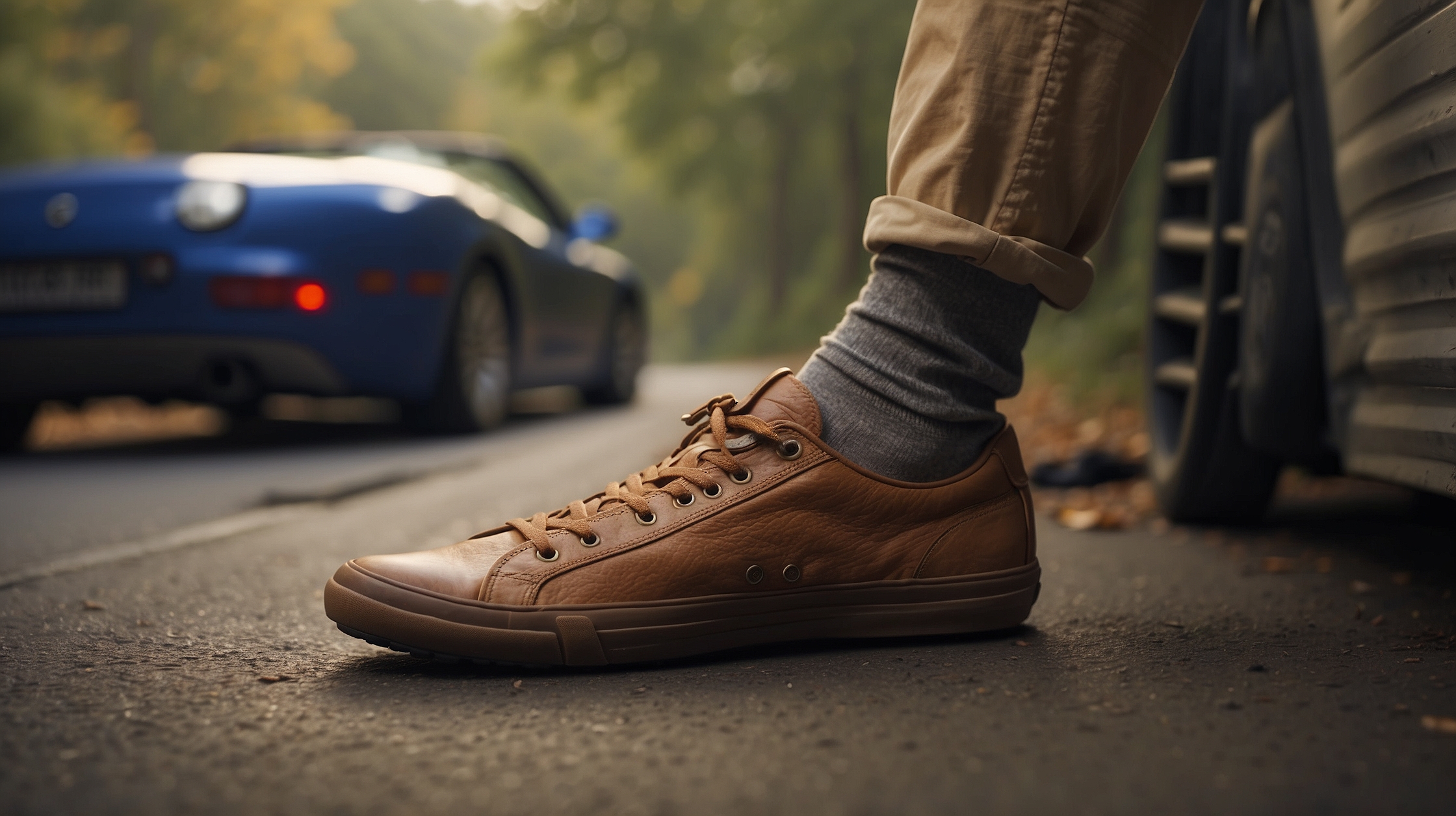
Every experienced driver knows that the smallest habits behind the wheel can have a dramatic impact on a vehicle’s lifespan. While we often focus on keeping our tires inflated or not riding the brakes too hard, there’s one habit that’s become so routine for many, it’s barely noticed at all—resting your foot on the clutch pedal while driving a manual transmission. It’s a seemingly harmless act that, over time, can become a costly mistake.
For manual transmission drivers, the clutch is a finely tuned mechanism that requires care and precision. It’s what allows smooth gear changes and efficient power transfer from the engine to the wheels. But unlike the brake or accelerator, the clutch isn’t designed to carry any load unless it’s engaged or disengaged purposefully. Keeping your foot on that pedal unnecessarily can lead to premature wear, mechanical failure, or even expensive repairs—ones that could’ve been completely avoided with a simple awareness of proper driving habits.
This bad practice is so widespread, even among seasoned drivers, that mechanics frequently cite it as one of the most common and preventable sources of transmission damage. It leads to faster wear of crucial components like the release bearing and pressure plate. For those hoping to extend the life of their car and avoid thousands in repair bills, learning about clutch care could be one of the smartest steps to take.
What resting your foot on the clutch really does to your car
| Issue | Effect |
|---|---|
| Resting on the clutch pedal | Applies light pressure, partially engages the clutch |
| Worn release bearing | Leads to noisy operation, more friction, expensive repairs |
| Reduced clutch lifespan | Leads to more frequent and premature replacements |
| Increased fuel consumption | Vehicle works harder with inefficient gear transitions |
| Loss of power transmission | Means poor performance and unsafe driving |
Why this common habit is unknowingly destructive
The main problem with keeping your foot lightly on the clutch is that it causes what’s known as “riding the clutch.” It subtly engages the clutch mechanism without fully disengaging it, meaning there’s constant, unnecessary friction between internal clutch components. Over time, this causes premature degradation of the disc, flywheel, and release bearing—three parts that are expensive to replace and labor-intensive to repair.
Clutch components are built to withstand a finite number of engagements and disengagements. When they remain under stress without being fully engaged, they’re not operating under optimal conditions. Think of it like dragging your brakes ever so slightly while driving—it may not seem like much at first, but the damage is cumulative and can quickly add up.
“Not keeping your foot off the clutch when you’re not shifting is one of the biggest destroyers of clutch systems I see. It’s silent, slow damage, but eventually, it’ll cost you.”
— Tony Ramirez, Master Mechanic (Placeholder)
How to recognize and avoid riding the clutch
For drivers operating a manual car, it’s important to develop healthy foot positioning habits. Riding the clutch often happens unconsciously, especially in city driving where frequent gear changes are needed. Here’s how to recognize if you’re doing it, and what to do instead:
- Your foot is always poised or lightly pressing the clutch when not shifting. Correction: Only place your foot on the pedal when you’re shifting gears.
- Slight changes in engine tone or rpm even when driving straight. Correction: Ensure the clutch is fully released after every shift.
- Delayed clutch response or gritty gear transitions. Correction: Visit a mechanic to inspect possible wear if this becomes frequent.
The long-term costs of clutch neglect
One major hidden cost of this habit is the repair or replacement fee for a complete clutch system. Depending on the make and model of your car, a full clutch replacement can run anywhere from $800 to upwards of $2,500. Not to mention, being stuck with a failing clutch can put you in a dangerous situation, especially if it fails while you’re driving.
But it’s not just about repairs. A worn clutch causes inefficient power transfer, which means your engine is working harder and longer. This leads to reduced fuel efficiency and lower overall performance. Over time, your engine and transmission endure stress levels they weren’t designed to handle. The domino effect can affect drive axles, the gearbox, and even mounting points of the engine or transmission system.
Manual transmission myths and truths
- Myth: Resting your foot lightly on the clutch won’t do any harm.
Truth: Even minimal pressure engages internal components enough to cause wear. - Myth: You only damage the clutch when launching hard.
Truth: Gradual pressure from constant contact does even more long-term damage. - Myth: It’s okay to hold the clutch down during stops.
Truth: You should place the gear in neutral and fully release the clutch.
What to do instead during city driving
Driving in traffic conditions where gear changes are frequent can make it tempting to keep your foot hovering over the clutch. But there are better driving principles to practice. For example, you can:
- Use neutral gear + handbrake at long stoplights instead of holding down the clutch
- Rest your left foot on the dead pedal (footrest) or floorboard when not shifting
- Practice smooth, fast engagement-disengagement cycles to minimize heat and friction
“Proper clutch discipline isn’t just about saving money—it’s also about being in full control of your car, especially in heavy traffic or on tight hills.”
— Lisa Gable, Driving Instructor (Placeholder)
Who needs to care the most
This advice is critical for certain categories of drivers more than others:
| Winners | Losers |
|---|---|
| New manual transmission learners | Commuters in traffic who ride the clutch daily |
| Semi-truck drivers maintaining long gear cycles | City rideshare drivers often multitasking under stress |
| Fleet vehicle operators looking to reduce maintenance costs | Performance drivers who constantly shift under load |
Why learning clutch discipline saves time and money
Developing thoughtful habits behind the wheel is the best investment a driver can make. Whether you’re a weekend cruiser or daily city navigator, understanding why to lift that foot off the clutch can save thousands over the lifetime of your vehicle. It’s one of those simple practices that, once ingrained, will become second nature and keep your manual driving experience safer, smoother, and far more economical.
FAQs about clutch usage and longevity
Is it okay to keep your foot over the clutch pedal?
No. Even hovering can lead to accidental pressure on the pedal, engaging parts of the clutch mechanism and causing wear over time.
How do I know if I’m riding the clutch?
Signs include difficulty shifting, odd engine revs without acceleration, and metallic noises when engaging gears.
What’s the best way to avoid clutch damage?
Use the clutch only when shifting, and place your foot on the floor or dead pedal the rest of the time.
How often should a clutch last under normal use?
A clutch can last between 60,000 to 100,000 miles with proper use. Poor habits can shorten that lifespan considerably.
Is it bad to hold the clutch while stopped at a light?
Yes. It’s better to shift into neutral and use the handbrake to avoid unnecessary clutch engagement.
Does riding the clutch affect fuel efficiency?
Yes. Inefficient power transfer due to clutch wear results in higher fuel consumption and wasted energy.
Can riding the clutch impact other parts of the car?
Yes. It puts extra strain on the gearbox, release bearing, and even the engine mounts over time.
Is replacing a clutch expensive?
Yes. Repairs can range from $800 to $2,500 depending on vehicle type and labor costs. Prevention is far cheaper.