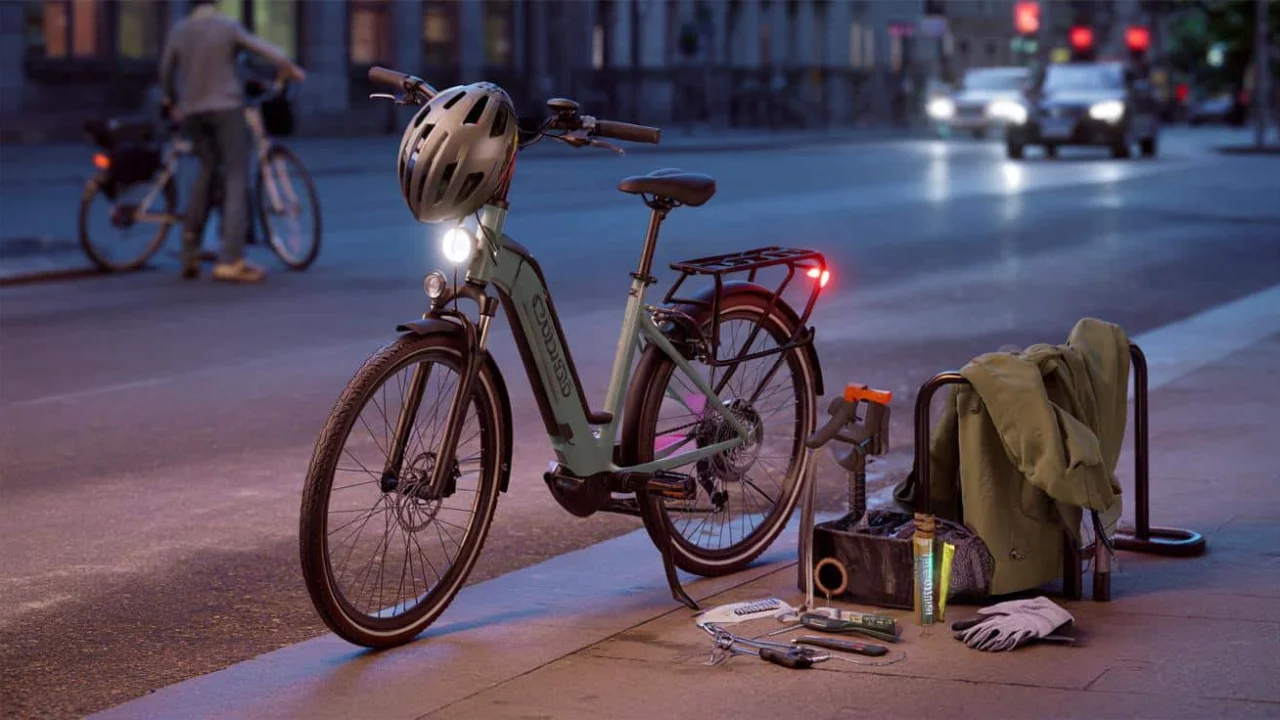
“The biggest mistake new e-bike owners make is thinking the purchase ends at the showroom,” says a cycling mobility consultant. “The accessories aren’t add-ons – they’re what transform your bike from an expensive gadget into reliable daily transportation.”
Three years ago, countless riders experienced their first wake-up call: rolling out of the bike shop with a shiny new electric bike, only to discover they’d bought just the beginning of their cycling ecosystem. The real investment starts after you ride home.
That moment of realization hits differently for everyone. For some, it’s the first time their factory-installed light fails them on a dark street. For others, it’s returning to find an empty bike rack where their pride and joy used to be. The pattern remains consistent – the electric bike accessories you didn’t buy on day one become the gear that determines whether you’re still riding six months later.
| Accessory Category | Priority Level | Typical Cost Range | Impact on Daily Riding |
|---|---|---|---|
| Security (locks, alarms) | Critical | $50-$200 | Enables confident parking anywhere |
| Lighting systems | Critical | $30-$150 | Safe riding dawn to dusk |
| Weather protection | High | $60-$300 | Year-round reliable commuting |
| Repair essentials | Medium | $25-$80 | Autonomy when problems arise |
| Comfort upgrades | Medium | $40-$250 | Sustainable long-term riding |
Why Standard E-Bike Setups Leave Riders Vulnerable
Electric bikes arrive from manufacturers optimized for showroom appeal, not real-world durability. The standard package typically includes basic lighting barely adequate for visibility, cable locks that deter only opportunistic theft, and minimal weather protection.
Urban e-bike riders face unique challenges that traditional cycling accessories weren’t designed to handle. The increased speed, weight, and value of electric bikes create new vulnerability patterns:
- Theft targeting: E-bikes represent significantly higher value targets requiring professional-grade security solutions
- Extended exposure: Longer daily rides mean more time exposed to weather, mechanical issues, and visibility challenges
- Speed-related safety: Higher average speeds demand upgraded lighting and protective gear beyond basic cycling standards
- Battery dependency: Electronic components require specialized charging, storage, and backup planning accessories
Critical Security Infrastructure Every E-Bike Owner Needs
The security ecosystem for electric bikes operates on multiple layers. Professional bike thieves specifically target e-bikes because a single successful theft can net $1,000-$5,000 in equipment.
Primary security requires a U-lock or heavy chain rated for motorcycle-level security. The lock should secure both the frame and rear wheel to a fixed point. Secondary security adds a cable or smaller lock for the front wheel and removable components like lights or computer displays.
- Location awareness: High-theft urban areas demand GPS tracking devices integrated into the frame or battery compartment
- Component protection: Quick-release seats, wheels, and accessories need additional cable locks or security bolts
- Storage planning: Home storage should include wall mounts or secure charging stations that accommodate the bike’s weight and electrical needs
- Insurance coordination: Many policies require specific lock certifications and security practices for coverage validation
“I see riders spend $3,000 on a bike then protect it with a $20 cable lock,” notes a bike security specialist. “That’s like buying a luxury car and leaving the keys in the ignition because the steering wheel has a club on it.”
Lighting Systems That Actually Function in Urban Environments
Factory lighting on most electric bikes serves legal compliance rather than practical visibility needs. Urban riding demands lighting systems powerful enough to compete with streetlights, car headlights, and the constant visual noise of city environments.
Professional-grade front lights should deliver at least 800-1000 lumens with focused beam patterns that illuminate the road without blinding oncoming traffic. Rear lights need multiple modes including steady high-intensity options and attention-grabbing flash patterns visible from 500+ meters.
| Lighting Scenario | Minimum Lumens Required | Battery Life Needed | Additional Features |
|---|---|---|---|
| Urban commuting | 800-1000 | 2+ hours | USB charging, theft protection |
| Rural/unlit roads | 1200-2000 | 3+ hours | Wide beam pattern, backup mode |
| All-weather riding | 1000+ | 4+ hours | Waterproofing, side visibility |
| Long-distance touring | 1500+ | 6+ hours | Dynamo compatibility, multiple mounts |
Weather Protection Systems That Enable Year-Round Riding
Electric bikes extend riding seasons by reducing physical exertion, but they also increase exposure time and wind chill effects due to higher speeds. Comprehensive weather protection goes far beyond basic rain jackets.
Effective electric bike accessories for weather protection start with fenders that actually contain spray at e-bike speeds. Full-coverage fenders should extend close to the ground and include mud flaps to protect both rider and electronics.
Layered clothing systems work better than single heavy garments. Base layers manage moisture, insulating layers provide warmth, and outer shells block wind and precipitation while allowing ventilation during effort periods.
- Extremity protection: Waterproof gloves, shoe covers, and neck gaiters prevent the small discomforts that end rides early
- Vision maintenance: Helmet visors, glasses with anti-fog treatment, and handlebar-mounted fairings improve visibility in adverse conditions
- Electronics protection: Display covers, charging port caps, and waterproof storage keep expensive components functional
- Emergency backup: Compact emergency bivvy, hand warmers, and high-energy snacks for unexpected weather delays
Maintenance Independence Through Portable Tool Systems
Electric bikes break down differently than traditional bicycles. The added weight, complexity, and electronic components create new failure modes that standard bike shops may not handle efficiently.
“E-bike riders who carry proper tools typically resolve 80% of roadside issues in under ten minutes,” explains a mobile bike mechanic. “Those without tools often face expensive emergency service calls or long walks home.”
Essential portable maintenance covers the most common failure points: flat tires, loose bolts, chain issues, and basic electrical connections. A complete kit weighs less than two pounds but provides autonomy for most mechanical problems.
Tire repair represents the most critical skill set. Tubeless systems require different approaches than traditional tubes, and the higher pressures and speeds of e-bikes create different puncture patterns. Carrying both patch kits and spare tubes covers most scenarios.
| Tool Category | Essential Items | Weight | Primary Use Cases |
|---|---|---|---|
| Tire repair | Mini pump, patches, tire levers | 8-12 oz | Punctures, pressure loss |
| Mechanical adjustment | Multi-tool with hex keys | 4-6 oz | Loose bolts, seat adjustment |
| Chain maintenance | Chain tool, quick links | 2-4 oz | Chain breaks, derailleur issues |
| Emergency fixes | Zip ties, duct tape, wire | 2-3 oz | Temporary repairs, securing loads |
Cargo and Storage Solutions That Scale With Usage
Electric bikes excel at cargo hauling, but standard mounting systems often fail under the increased loads and speeds. Professional cargo solutions distribute weight properly and maintain handling characteristics.
Rear racks rated for e-bike use typically handle 55-75 pounds compared to 25-35 pounds for standard bicycle racks. Front cargo systems require careful weight distribution to maintain steering control, especially with motor assistance.
Pannier bags designed for electric bike accessories include features like reinforced mounting hooks, reflective panels, and internal organization systems for electronics and tools. Waterproofing becomes critical as riding frequency increases.
- Modular expansion: Systems that grow from basic commuting to full touring capability without replacing components
- Security integration: Bags and boxes with locking mechanisms that secure to the bike frame
- Electronics compatibility: Charging ports, device mounts, and cable management for phones, GPS, and other gear
- Quick conversion: Fast transitions between cargo hauling and recreational riding configurations
Comfort Engineering for Sustainable Daily Use
Electric bikes enable longer, more frequent rides, which amplifies minor comfort issues into major problems. Professional bike fitting becomes more important as ride duration and frequency increase.
Saddle selection requires matching to individual anatomy and riding style. The upright positioning common on e-bikes creates different pressure points than aggressive road bike positions. Testing multiple saddles through shop demo programs prevents expensive mistakes.
“Comfort isn’t luxury when you’re riding 50+ miles per week,” notes a professional bike fitter. “Small adjustments in position, grip, and contact points determine whether someone becomes a daily rider or gives up after three months.”
Grip ergonomics matter more at e-bike speeds. Vibration dampening, proper diameter for hand size, and angle adjustment all contribute to reduced fatigue and better control during longer rides.
How do I choose the right security level for my area?
Research local theft statistics and observe how other cyclists secure bikes in your regular parking locations.
What lighting power do I actually need for safe urban riding?
Minimum 800 lumens front, 200+ lumens rear, with backup options for longer rides or battery failures.
Are expensive rain gear and fenders worth the investment?
Quality weather protection pays for itself in comfort and consistency for year-round riders.
Should I learn basic repairs or rely on mobile bike services?
Basic tire repair and adjustment skills provide independence, but complex electrical issues require professional service.
How much additional weight can I reasonably carry on an e-bike?
Most e-bikes handle 40-60 pounds of cargo, but proper mounting and weight distribution matter more than total weight.
Do comfort upgrades actually make a difference for casual riders?
Even occasional riders benefit from proper saddle fit and handlebar positioning for enjoyable, sustainable cycling.
“The riders who stick with e-bikes long-term aren’t necessarily the ones who bought the most expensive bikes,” observes a cycling industry analyst. “They’re the ones who built complete systems around their bikes that solve real daily transportation challenges. The accessories aren’t extras – they’re what make the whole investment worthwhile.”