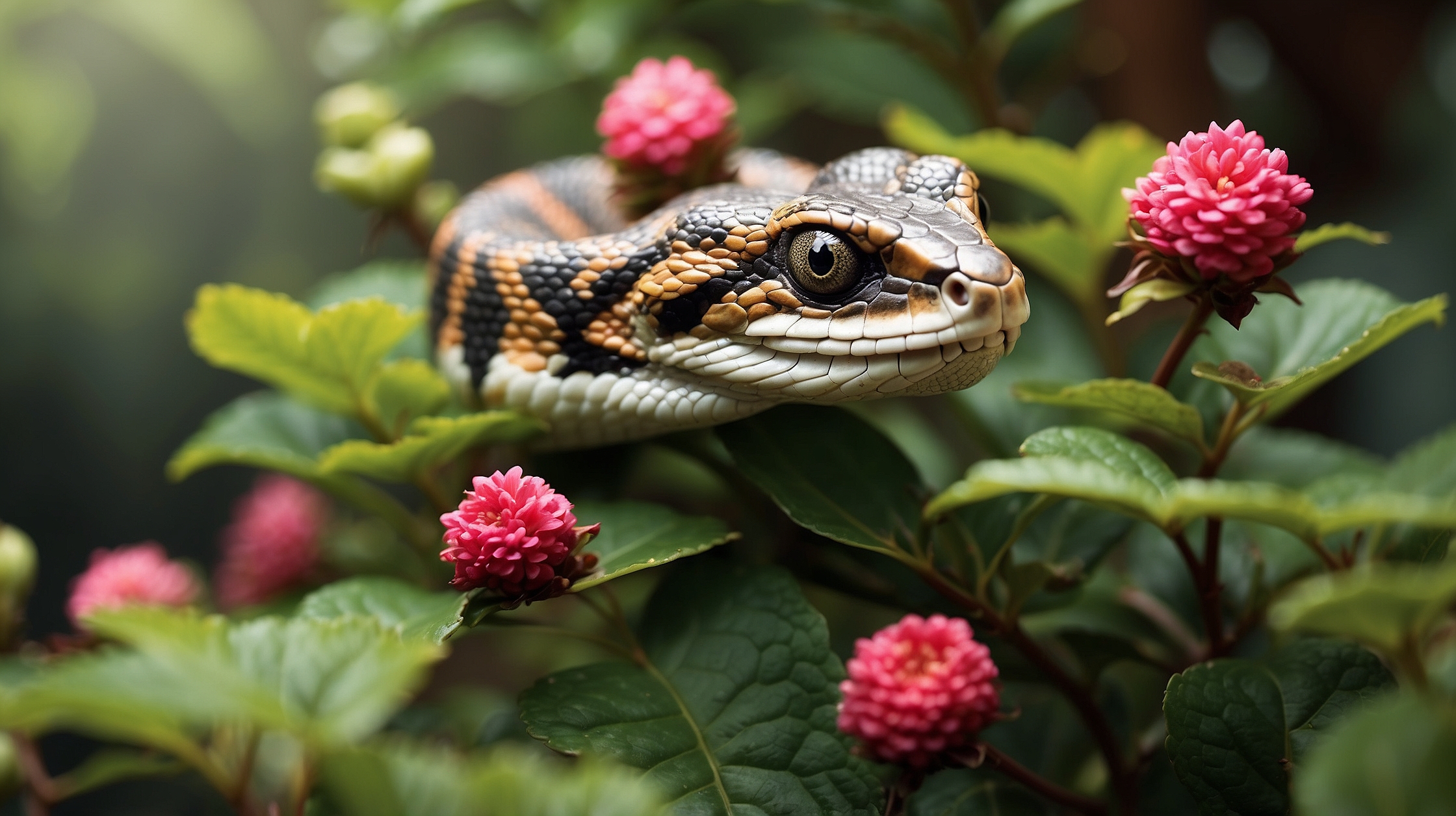
On a quiet summer evening, a suburban homeowner in Georgia stepped onto his porch and spotted something slithering through the underbrush. Startled but curious, he traced the creature’s movement to a well-maintained hedge along his walkway. What he discovered next left him shocked: That particular shrub—a popular ornamental plant—was inadvertently inviting snakes into his yard.
This isn’t an isolated incident. Across various regions, especially in warmer climates, homeowners are now learning that their landscaping choices could be making their outdoor spaces more attractive to snakes. A specific type of shrub, long favored for its low-maintenance appeal and thick, evergreen foliage, is now under scrutiny from pest control experts and horticulturists alike.
With snake sightings on the rise and warmer temperatures pushing these reptiles closer to suburban residence zones, experts are sounding the alarm. Understanding why this shrub is problematic and what safer alternatives to consider can help you strike the right balance between garden aesthetics and backyard safety.
Why this common shrub is raising concerns among experts
| Topic | Details |
|---|---|
| Species Involved | Dense ornamental shrubs, notably juniper and certain boxwoods |
| Main Concern | Thick vegetation offers ideal shelter for snakes |
| Risks | Increased snake presence in proximity to homes and children |
| Expert Warning | Homeowners unknowingly creating snake habitats |
| Recommended Action | Replace dense shrubs with open-structured, native plants |
How a landscaping trend became a snake magnet
In pursuit of clean lines and evergreen appeal, many homeowners choose shrubs like juniper, boxwood, and privet to line their walkways and garden beds. These plants are hardy, require low upkeep, and maintain their lush form year-round. But therein lies the danger: Their features also make them ideal shelters for snakes.
Dense foliage and proximity to the ground form a perfect refuge for snakes seeking cool, dark hiding spots. Pesticide-free zones under these bushes attract insects, which in turn attract rodents—snakes’ primary prey. With everything they need from shelter to food, it’s a perfect storm for snake habitation.
“We regularly see snakes nesting under shrubs with extremely thick foliage at the base,”
— Mark Reynolds, Licensed Pest Control Technician
The problem intensifies in warmer regions during summer months, where snakes look for places to stay cool and undisturbed during peak daytime heat. Suburban yards become an ideal environment when improperly designed with dense, shaded plantings close to the home foundation.
Which plants are the biggest culprits
Experts point specifically to plants with tightly packed branches and low-hanging foliage. Common offenders include:
- Juniper – Dense branches and needles make it difficult to inspect underneath.
- Boxwood – A favorite hedge plant, typically sheared in domes but dense enough to conceal animals.
- Privet – Known for creating impenetrable natural walls, these hedges double as perfect snake tunnels.
Homeowners often fail to inspect under these shrubs for months—or even years. Unlike trees, which offer more visibility at their base, these shrubs create microhabitats at ground level that few notice until it’s too late. A simple act like fishing for a frisbee or pruning without gloves can turn dangerous.
Better landscaping choices for a snake-free yard
While removing these high-risk plants may feel like a dramatic move, landscaping experts recommend more sustainable and equally attractive replacements. The key lies in using native plants with looser growth habits that don’t provide deep shelter.
Some recommended alternatives include:
- Lavender – Not only does it repel pests, but its scent deters some snakes.
- Ornamental grasses – Tall but airy, offering minimal ground coverage.
- Yucca or agave – Their spiky appearance makes them less inviting shelters.
- Sage or rosemary shrubs – Pleasant aromas and limited ground-level coverage.
Spacing plants apart, using decorative gravel between beds, and trimming lower branches are additional steps that can enhance visibility and reduce nesting areas for snakes.
“Think visibility and airflow. Snakes hate being exposed, so giving them fewer places to hide dramatically reduces their presence.”
— Lisa Harmon, Certified Landscape Designer
Understanding the types of snakes commonly found near yards
Not all snakes are venomous—but the issue lies in the difficulty of distinguishing a harmless garter snake from a venomous copperhead at a glance. Many snakes commonly attracted to suburban yards include:
- Garter Snakes – Harmless, but fast and often mistaken for more dangerous species.
- Copperheads – Venomous and common in the southeastern United States.
- Rat Snakes – Non-venomous but sizable, and intimidating in appearance.
Even non-threatening snakes can cause panic, especially where pets and children are involved. It’s crucial to treat every sighting cautiously and adopt preventative measures to limit future visits.
The role of backyard maintenance in snake prevention
Beyond plant choice, consistent yard maintenance plays a significant role in deterring reptiles. Experts recommend the following strategies:
- Keep grass neatly trimmed – Snakes avoid open areas with little cover.
- Remove leaf piles and excess mulch – These materials retain moisture and warmth, attracting rodents and snakes alike.
- Seal cracks in foundations and sheds – Prevent snakes from seeking shelter indoors.
- Use snake-proof fencing in high-risk zones – Especially near gardens and children’s play areas.
Snakes are opportunistic. If one yard offers comfort and shelter while the neighbor’s is well-maintained and exposed, they will always choose the safer option for themselves—typically in the form of your untamed shrubbery.
Winners and losers in the ongoing landscaping debate
| Winners | Losers |
|---|---|
| Homeowners choosing native, open-structured plants | Those relying on dense, evergreen shrubs like juniper |
| Backyards with clean spatial planning and clear ground visibility | Unkempt gardens with poor maintenance |
| Children and pets enjoying a safer environment | Unaware homeowners living alongside unwanted reptilian guests |
Final thoughts for homeowners
Your home is your haven, and every bush or shrub contributes to the environment you build around it. While the threat of snakes may not have been on the radar when choosing your landscape plants, it’s increasingly important in today’s climate-conscious, biodiversity-aware era.
By making informed, strategic decisions about what plants to grow—and how to maintain them—you’re not just enhancing your curb appeal; you’re actively protecting everyone who enjoys your outdoor space. Sometimes safety is just a shovel away.
Frequently asked questions about snake-attracting shrubs
Which shrubs should I avoid to keep snakes out?
Avoid dense shrubs like juniper, boxwood, and privet. These provide concealed, cool environments ideal for snake nesting.
Are all snakes in my yard dangerous?
No, most snakes are harmless, but distinguishing venomous ones on sight can be challenging. Always err on the side of caution.
How can I tell if my yard is attracting snakes?
Frequent sightings of small rodents, shaded damp areas, and dense shrub layers are clear indicators of snake-friendly conditions.
What time of year are snakes most active?
Snakes are most active during spring and summer, especially in shaded areas during high daytime temperatures.
Can mulching encourage snakes?
Yes. Thick, moist mulch can retain heat and attract bugs and rodents—snake prey—which in turn invites snakes.
What plants can I grow instead of juniper or boxwood?
Consider snake-repelling and low-shelter plants like lavender, rosemary, ornamental grasses, and yucca.
Do pest control services help with snakes?
Yes, especially if integrated with landscaping changes. They can help remove residents and identify habitat risks.
Is trimming existing shrubs enough?
In some cases. If done regularly to expose the base, it may reduce snake shelter. But highly dense species may need replacement.