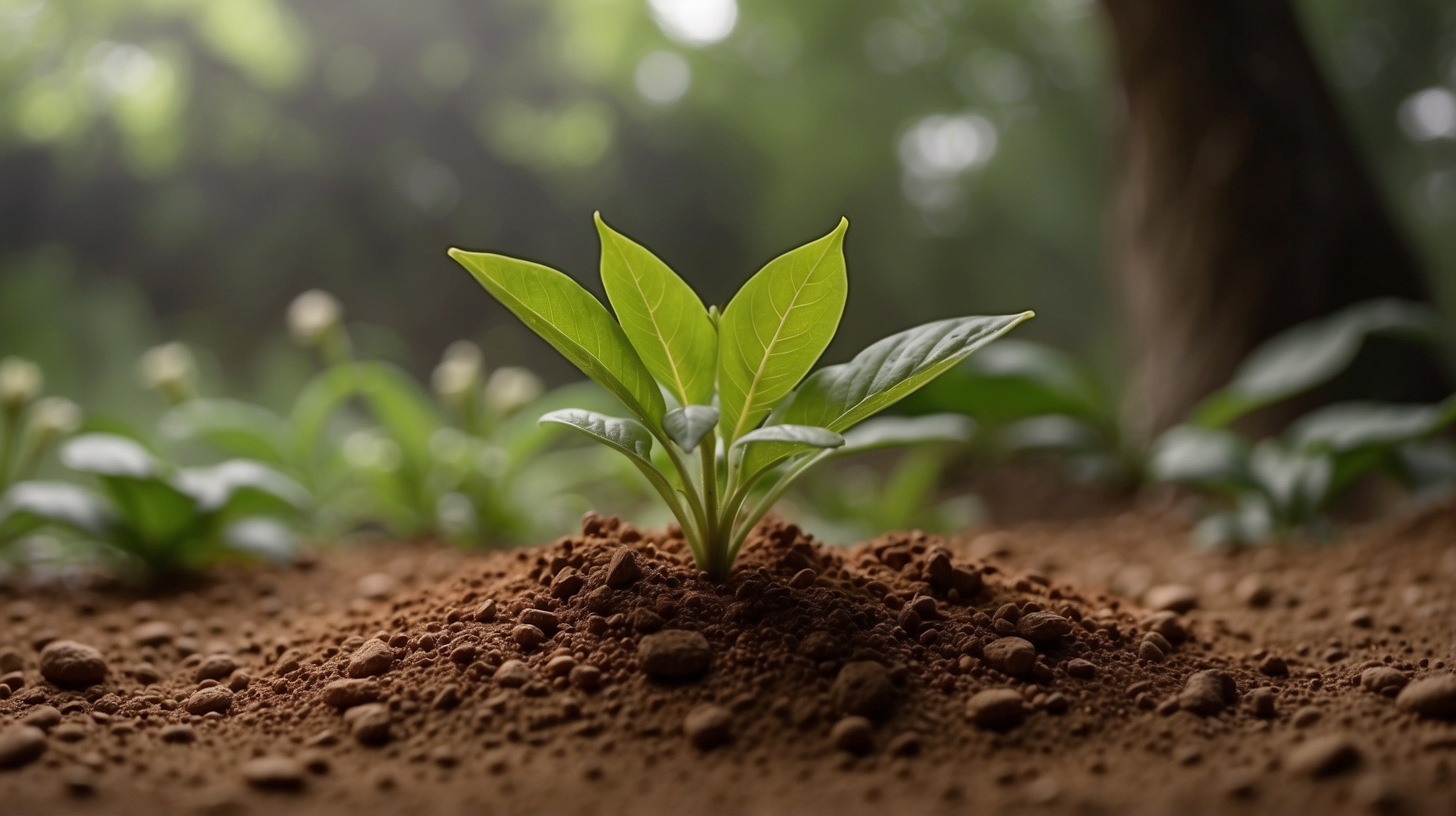
In the dense, mineral-rich soils of southeastern China, a modest-looking shrub may be rewriting the future of a multi-billion-dollar industry. Nestled in the unique serpentine ecosystems of southern Jiangxi Province, this native plant species—previously overlooked—is now catching global attention for a singularly powerful ability: it can **extract and concentrate rare earth elements (REEs)** from the soil in quantities never before observed in nature. For the tech-driven world reliant on these critical minerals, the implications are profound.
Rare earth elements are the backbone of modern technology—from smartphones and electric vehicle batteries to wind turbines and advanced defense systems. Yet their mining and refinement have long posed environmental and geopolitical challenges. The discovery of this plant doesn’t just offer a possible green alternative—it hints at a natural solution to one of the most pressing industrial bottlenecks of the 21st century.
Leading Chinese botanists and geologists have identified this botanical marvel as a “hyperaccumulator”—a rare type of plant capable of absorbing large amounts of metals through its root systems without suffering toxic effects. While hyperaccumulators of nickel and zinc have been studied before, this discovery is believed to be **the first known instance of a plant with high-efficiency REE uptake**, igniting excitement and curiosity in equal measure.
But how exactly does one plant stand to influence global geopolitics, sustainability push, and high-tech manufacturing? As research continues to emerge around this breakthrough, we explore what this could mean for the future of rare earth sourcing—and more broadly, for humanity and the environment.
Key facts from the discovery in China
| Plant Type | Hyperaccumulator shrub |
| Location | Southern Jiangxi Province, China |
| Soil Type | Serpentine soils rich in rare earth elements |
| Unique Ability | Extract and concentrate rare earth elements (REEs) in high volume |
| Potential Use | Phytomining for sustainable REE harvesting |
| Environmental Impact | Significantly reduced land degradation compared to conventional mining |
Why rare earth elements matter now more than ever
Rare earth elements are critical to the global supply chain for modern electronics, clean energy technologies, and defense applications. With 17 elements in this category—including neodymium, yttrium, and dysprosium—each plays a unique role in the functionality of everyday products. However, mining them is labor-intensive, polluting, and monopolized: **China supplies over 60% of the world’s REEs**, making the international community vulnerable to supply shocks and price volatility.
The complexity of extracting REEs lies in their dispersion in ore bodies and the extensive chemical processes required to separate them. This new plant offers a revolutionary alternative—a technique known as “**phytomining**,” in which vegetation does the heavy lifting of absorption and refinement naturally. If scalable, this could minimize or even eliminate the reliance on open-pit mining practices that often devastate local ecosystems.
How the plant naturally absorbs rare earth elements
The shrub identified in Jiangxi possesses a specialized root system and cellular structure that enables it to selectively uptakes REEs, especially in soils with high concentrations of lanthanides. Once absorbed, these elements accumulate primarily in the leaves and stems. This makes it feasible to harvest the above-ground biomass and extract REEs through eco-friendly botanical processing methods.
Researchers are still decoding the biochemistry behind this mechanism, but early hypotheses suggest that specialized metal-binding proteins and ion channels play a crucial role in the selective uptake. This gives rise to hopes of bioengineering similar traits in other fast-growing plants for commercial phytomining operations worldwide.
“This could fundamentally shift how we source rare earths — moving from destructive mining to regenerative farming.”
— Dr. Li Wen, Lead Botanist, Guangxi Ecological Institute
Comparing this breakthrough to conventional rare earth mining
| Criteria | Phytomining with Hyperaccumulator | Conventional REE Mining |
|---|---|---|
| Environmental Impact | Low, regenerates soil, captures carbon | High, soil erosion, toxic waste |
| Capital Cost | Low to moderate | High (equipment and processing plants) |
| Geopolitical Risk | Decentralized potential | Centralized in few countries |
| Energy Demand | Minimal (mostly sunshine & water) | Extremely high (crushing, acid baths) |
| Extraction Timeline | Seasonal harvest cycles | Years-long mining life cycles |
Potential applications and commercial scalability
This discovery isn’t simply academic—it’s rooted in a real possibility for a new model of industrial agriculture. Imagine plots of land cultivated not for soybeans or wheat, but for **rare earth harvesting** through sustainable shrub farming. The potential doesn’t stop at reforesting mine-contaminated areas. Rural economies could stand to benefit through diversified income streams, and global supply chains could be derisked with more geographically distributed sourcing strategies.
However, questions remain on how scalable this model can be. The biomass yield per hectare, REE concentration per kilogram, and processing infrastructure required to extract and refine the elements are key unknowns. While the plant’s abilities have been demonstrated on a micro scale, industrial deployment would require further field testing and investment.
“Scaling up needs more than biology—it requires infrastructure, incentives, and international cooperation.”
— Prof. Hiro Tanaka, Environmental Geochemist
Next steps for research and policy
China’s announcement of this discovery is only the beginning. The government is expected to fund extended trials to study ways of cultivating the plant sustainably, research yield improvement through agricultural techniques, and create regional processing hubs for efficient extraction. International stakeholders are also watching closely, given the massive shift this innovation could bring to resource economics.
For now, the plant serves as a bridge between ecology and industry, a marvel of biomimicry offering a cleaner path forward. As climate change and ecological damage from traditional mining intensify, the appeal of phytomining is bound to grow. What began as an isolated discovery in Jiangxi’s rugged hills may blossom into a global solution for sustainable tech materials.
Frequently asked questions about the Chinese shrub discovery
What is the name of the plant that absorbs rare earth elements?
Researchers have not yet released the formal scientific name, but it’s classified as a rare-earth hyperaccumulator endemic to serpentine soils in southern China.
Why are rare earth elements so important?
REEs are critical components in electronics, batteries, renewable energy technology, and military applications. They are essential for high-performance magnets and other advanced materials.
How does this plant differ from other hyperaccumulators?
This newly discovered plant appears unique in its ability to absorb and concentrate rare earth elements rather than more common metals like nickel or cadmium.
Can the plant be grown commercially outside China?
Theoretically yes, if the soil conditions are similar. However, this would require further research and possibly genetic modification to adapt it to other climates and terrains.
What is phytomining?
Phytomining is a process where specific plants are used to absorb metals from the soil, which are then harvested and refined, offering an eco-friendly alternative to traditional mining.
Is this method economically viable yet?
It is promising but not yet commercially viable at a large scale. More research is essential to determine long-term yield, cost competitiveness, and processing methods.
How does this discovery impact global supply chains?
It could decentralize the global rare earth supply, reduce dependency on environmentally damaging mining, and open new paths for sustainable tech development.
What is the environmental benefit of using plants for REE extraction?
Phytomining significantly reduces soil erosion, water contamination, and greenhouse gas emissions compared to traditional mining techniques.