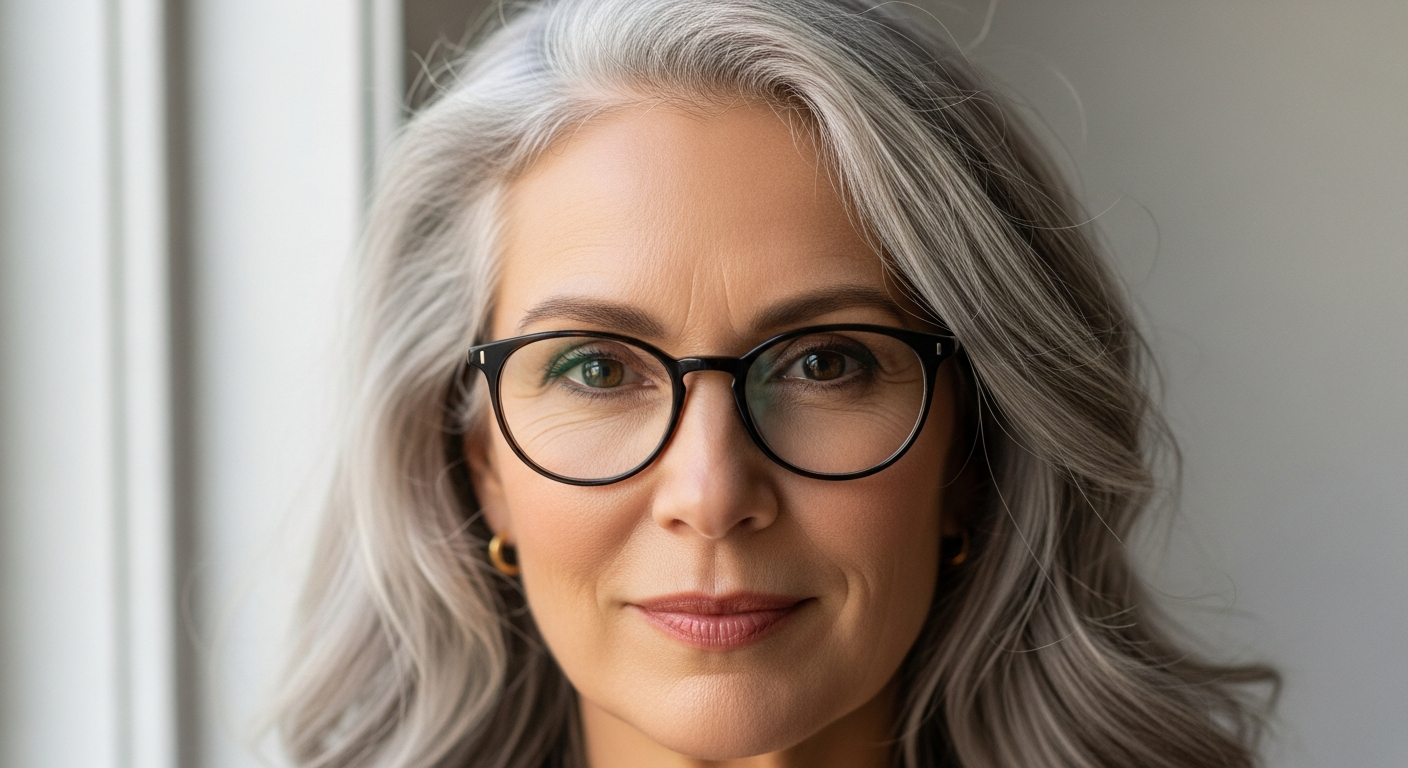
In recent years, many people looking to hide their grey hairs have turned toward traditional chemical-based hair dyes. These products promised instant results, offering an easy solution to the unavoidable signs of aging. However, growing awareness about the potential side effects of chemical dyes – including allergic reactions, hair thinning, and long-term scalp issues – has caused a significant shift in consumer demand. More people are now seeking safer, healthier, and more sustainable ways to maintain their youthful appearance.
Now, a new trend is interrupting the long-standing reign of permanent dyes: natural hair-darkening alternatives. Unlike harsh hair dyes, these new solutions aim to offer not only effective coverage for grey hairs but also nourishment to the hair shaft and scalp. From botanical treatments to pigment-boosting rinses, the shift represents a broader movement toward holistic beauty where **aging gracefully** doesn’t mean compromising health or confidence. For anyone grappling with the first signs of silver strands, this could be a game-changer in the anti-grey arsenal.
These fresh options are already changing routines for thousands who want results without chemicals, particularly those who never liked dyeing. This trend is now picking up pace, driven by both health-conscious individuals and those simply fed up with expensive salon visits. What’s causing this surge in interest is the promise of reversing grey hair naturally—or at least disguising it in a gentler way.
Overview of the grey hair solution trend
| Aspect | Details |
|---|---|
| Trend | Natural grey coverage solutions replacing chemical hair dyes |
| Product Types | Botanical serums, pigment-infused oils, herbal hair masks |
| Key Benefits | Reduces grey visibility, promotes scalp health, non-toxic ingredients |
| Suitable For | Men and women experiencing early or moderate hair greying |
| Long-Term Effect | Improves hair quality, slows greying process |
Why traditional hair dyes are falling out of favor
Conventional hair dyes work by using ammonia or peroxide to open the hair cuticle and deposit artificial pigment. However, this chemically opens up the hair cuticle repeatedly, which over time can weaken the hair shaft, making it prone to dryness, split ends, and breakage. Furthermore, studies have raised concerns about the long-term use of some hair dye ingredients possibly contributing to health risks. Even semi-permanent colors, often regarded as ‘gentler,’ may contain synthetic fragrances and allergens that irritate sensitive skin.
Given this, health-conscious consumers are opting for **chemical-free alternatives** that promise a double win: cosmetic enhancement and wellness-oriented care. Many people also desire solutions that skip the commitment and hassle of salon appointments or DIY coloring kits. The market has responded with a wave of innovation.
Natural ingredients leading the way
A growing number of products now use nature’s own pigments and tonics. Henna, for example, has long been valued for its deep natural orange-brown tint, and when balanced with indigo, can produce soft black or chocolate hues. But there’s more to this shift than henna. Black sesame oil, bhringraj (king of herbs), curry leaves, and Chinese herbs are touted for their hair-strengthening and pigment-preserving effects.
In addition, **hair serums infused with copper peptides**, biotin, and herb extracts are making waves in this space. These not only help disguise greys but may also help stimulate dormant follicles and improve melanin production. The end result is visibly darkened hair—not dyed, but rejuvenated with its natural color.
“These new-age serums don’t coat the hair or burn the scalp. Instead, they support the biology of hair pigmentation itself.”
— Dr. Leena Murthy, Trichologist and Holistic Haircare Expert
How the new grey coverage trend works
Unlike chemical dyes which cover grey pigment immediately, these natural solutions work gradually over a period of weeks. Most treatments are applied to clean hair and left in like a leave-in conditioner or overnight treatment. Consistent use allows active botanical or nutrient compounds to penetrate deep into the follicles and stimulate natural melanin activity.
Some products use **hair-darkening oils** that mimic the scalp’s natural oils while slowly reducing excessive visibility of greys. Others are designed to optimize blood flow in the scalp and neutralize oxidative stress—one of the main causes behind premature greying. While these approaches may not deliver overnight change, they’re building a foundation for longer-term youthful appearance.
Who benefits the most from switching to natural solutions
If you’re aged 30–55 and experiencing touch-ups every 6–8 weeks, you’re likely spending hundreds of dollars a year on chemical hair dyes. This new wave of grey coverage methods is particularly attractive to:
- Adults showing early signs of greying but wanting to avoid harsh colorants
- Pregnant or breastfeeding women concerned about chemical absorption
- People with sensitive skin or scalp allergic reactions to peroxide/ammonia
- Eco-conscious consumers looking for sustainable haircare choices
“For many, the shift is less about vanity and more about taking control of their health while managing natural signs of aging with grace.”
— Maya Chen, Natural Beauty Advocate
Realistic expectations and commitment needed
Anyone switching to botanical darkening treatments must understand that results vary and take time. On average, noticeable improvements may appear within 4 to 6 weeks of uninterrupted daily use. The texture, natural color, and thickness of the hair play a crucial role. For example, coarse grey strands may require more intense or longer application schedules.
Moreover, diet and lifestyle also impact results. Nutrient deficiencies in B12, iron, and copper, for instance, are known contributors to premature greying. Many of the most effective grey-hair programs today incorporate both topical treatments and **diet-based supplementation**, delivering a more holistic approach to hair rejuvenation.
Pros and cons of this new approach
| Aspect | Pros | Cons |
|---|---|---|
| Health Impact | No chemicals, gentle on scalp | Slower results compared to dyeing |
| Application | Can be done at home, no salon needed | Requires consistency and time |
| Long-Term Benefit | Improves hair health and color retention | Not a “one use” instant fix |
Future outlook for this booming category
The demand for *non-toxic hair solutions* isn’t just a passing trend—it’s a cultural reset. As technology and herbal research continue to collide, we can expect even more potent, effective, and quicker-acting treatments in the near future. Innovations may include microencapsulated serums, AI-driven scalp diagnostics, and even personalized haircare formulations based on DNA or melanin density. For now, the move away from noxious chemicals to plant-powered care represents a profound shift in how we approach beauty from within.
Frequently Asked Questions
What natural ingredients help darken grey hair?
Common ingredients include black sesame oil, bhringraj, amla, indigo, henna, and copper peptides. These work by improving pigmentation or darkening the hair without artificial dyes.
How long does it take to see results from natural grey hair solutions?
Most users report visible improvement within 4 to 6 weeks of consistent application. Results vary depending on individual hair type, genetics, and overall health.
Can I use these natural methods while pregnant or breastfeeding?
Yes, most natural products are free from toxic chemicals, making them safer alternatives during pregnancy. However, always consult with a healthcare provider first.
Are these natural treatments permanent?
No, they usually require continuous use to maintain the desired look. However, they offer long-term benefits as they nourish and strengthen the hair.
Will these alternatives work on fully grey or white hair?
They are generally more effective on partially greyed hair. Consistent use might reduce contrast, darken strands gradually, or support regaining some natural pigment.
Is it possible to reverse grey hair completely?
Scientific evidence suggests that some greying can be slowed or partially reversed when nutritional deficiencies or stress are addressed, but full reversal is rare.
Are these products suitable for men as well?
Absolutely. These treatments are gender-neutral and work well for both men and women interested in gentle grey coverage without dyeing.
Can these be used with colored hair?
Yes. Natural serums and oils can be layered with previous dye treatments as long as they don’t contain harsh chemicals or interfere with color bonds.