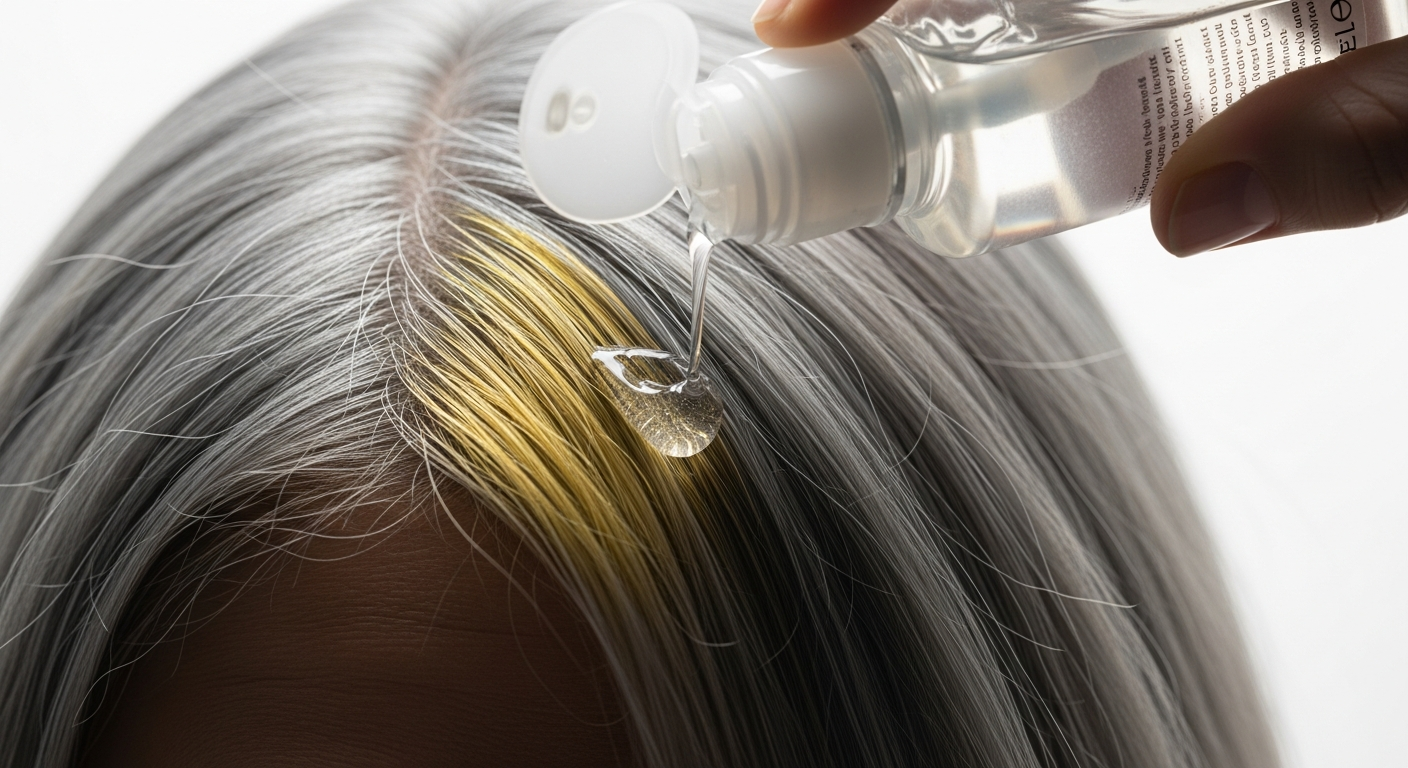
When Linda turned 60, she embraced her gray hair with pride. After years of coloring to hide the grays, she finally decided to let nature take its course. But within a few months, she noticed something baffling—her once eye-catching silver strands were now taking on a subtle yellow tint. Despite her commitment to her new look, the dull brassiness was hard to ignore. She found herself constantly questioning if she’d done something wrong in her haircare routine.
What Linda discovered is a common pitfall for individuals proudly wearing their gray or silver hair: using the wrong styling products. Surprisingly, many “clear” looking or standard products on the market contain hidden ingredients that interact poorly with graying strands, specifically polymers, silicones, or certain oils that can lead to yellowing over time. And this issue isn’t just cosmetic—it can erode the confidence that comes from aging gracefully and naturally.
In this article, we’ll explore what causes gray hair to turn yellow, which types of styling products may be to blame, why “clear” doesn’t always mean safe, and which ingredients to look for to keep your locks shining silver. Plus, we’ll hear from experts and highlight the brands and practices that help maintain your natural sparkle.
Key takeaways in a glance
| Problem: | Gray and white hair turning yellow or brassy |
| Main cause: | Use of styling products with yellow-tinted polymers or silicones |
| What to avoid: | Products with silicone, petroleum-based oils, or mineral oils |
| Best choice: | Clear, colorless, silicone-free styling products |
| Ideal routine: | Use chelating shampoo monthly, minimize heat, and choose clean products |
Why gray hair turns yellow in the first place
Gray and white hair lacks pigment, which makes it more susceptible to environmental factors. Because it’s translucent, it reflects light differently than pigmented hair. This absence of color also exposes it to staining from pollutants, smoke, minerals in water, and—most surprisingly—haircare products.
The main culprits are polymers, silicones, and mineral oils often found in styling gels, sprays, and mousses. These ingredients can oxidize over time, especially under heat styling or exposure to sunlight, creating a chemical reaction that causes a yellowish hue. Even so-called “clear” styling products may contain polymers that have a slightly amber base, which gradually tints the hair with repeated use.
“Gray hair isn’t just about color—it’s about chemistry. A lot of people don’t realize how quickly product buildup and UV oxidation can alter the tone.”
— Olivia Hartman, Trichologist
The illusion of clear styling products
Many consumers assume that if a product is transparent, it won’t discolor white or gray hair. Unfortunately, that’s a myth. The visual clarity of a gel or serum doesn’t indicate its chemical stability or compatibility with unpigmented hair. Some ingredients that appear colorless can degrade under heat or UV light into yellow-tinting compounds, which then stain porous gray hair.
Key ingredients to avoid include:
- Silicones (cyclomethicone, dimethicone)
- Petrolatum or petroleum-based oils
- Mineral oil
- Yellow or amber-tinted polymers
Even occasional use of these can build up over time, especially if you’re not using clarifying or chelating shampoos to strip out residue.
The new gold standard: choosing the right products for gray hair
To keep gray hair radiant, opt for truly clean haircare formulations. Look for products that are not only clear in appearance but also in ingredient transparency. Products that are silicone-free, paraben-free, and ideally labeled as safe for color-treated or gray hair are best.
Some good indicators of a suitable styling product include:
- Labeled “safe for white/gray/silver hair”
- Fragrance-free or low-fragrance (synthetic perfumes can also leave buildup)
- Water-based with botanical or lightweight emollients (like jojoba or argan oils)
- Non-yellowing and non-resinous polymers
These formulations provide hold and shine without leaving yellowing residues or buildup.
“Think of it like washing a window. The clearer the product, the better the light reflects off your hair. Go too heavy, and you’re dimming your own sparkle.”
— Cara Diaz, Haircare Product Developer
Simple habits to prevent brassiness in gray hair
In addition to product selection, daily habits play a huge role in whether your gray stays silver or veers into yellow. Here are some expert-recommended routines to maintain vibrancy:
- Use a clarifying or chelating shampoo once monthly to remove product and mineral buildup.
- Apply UV protectant spray before going out in sunlight.
- Avoid smoking and smoky environments, which quickly discolors hair.
- Minimize heat styling or use at low temperatures with a heat protectant.
- Trim regularly to remove dry, porous ends that absorb discoloring agents faster.
Consistency in care boosts your hair’s brilliance and also prolongs the impact of your styling efforts.
Winners and losers: Which ingredients pass the silver test
| Winners (safe for gray hair) | Losers (may cause yellowing) |
|---|---|
| Jojoba oil | Mineral oil |
| Glycerin-based gels | Dimethicone |
| Water-based setting sprays | Petrolatum |
| Botanical extracts (chamomile, lavender) | Cyclopentasiloxane |
Expert recommendations for every hair type
While gray or white hair can fall under any texture — curly, straight, fine, or coarse — the key is tailoring your styling regimen accordingly. For fine gray hair, avoid overly greasy products or heavy oils. For curly gray hair, embrace lightweight creams with plant-based hydrators. Thick or coarse silver locks may benefit from light butter formulations that nourish without dulling.
Regardless of type, always prioritize products specifically formulated for or tested on gray and white hair to ensure longevity and shine.
“I tell clients: your crown is natural platinum. Treat it like treasure, not an afterthought.”
— Devon Hsu, Licensed Cosmetologist
Frequently asked questions
Why does my gray hair turn yellow even though I don’t color it?
Environmental factors and product buildup are the main causes. Even uncolored gray hair is prone to yellowing from air pollution, heat styling, and ingredients in haircare products.
Are purple shampoos enough to maintain silver tone?
Purple shampoos help cancel yellow tones temporarily, but they don’t remove the buildup causing the discoloration. It’s better to combine them with chelating routines and clean styling products.
What should I avoid in my hair gel or mousse?
Avoid silicones (like dimethicone), mineral oil, and polymer-heavy products with yellow or brown tints. These can stain gray hair over time.
How often should I clarify gray hair?
Once a month with a chelating shampoo is ideal. This helps remove buildup from hard water, pollution, or styling residues.
Is it safe to use oil on gray hair?
Yes, but choose natural oils like argan or jojoba in moderation. Avoid synthetic or petroleum-based oils that leave residue and yellowing tint.
Can I still use a hair serum if I have white hair?
Yes, but ensure it’s clear, lightweight, and does not contain silicones or UV-reactive ingredients. Always patch test when switching products.
Do heat tools damage the color tone of white hair?
Yes, high heat can cause oxidation and yellowing, especially if you’re using it with product buildup. Keep temps low and always use a heat protectant.
What’s the best daily styling product for white or gray hair?
A clear, silicone-free, lightweight styling cream or water-based gel designed for color-treated or aging hair is best. Look for products tested on silver-haired consumers.