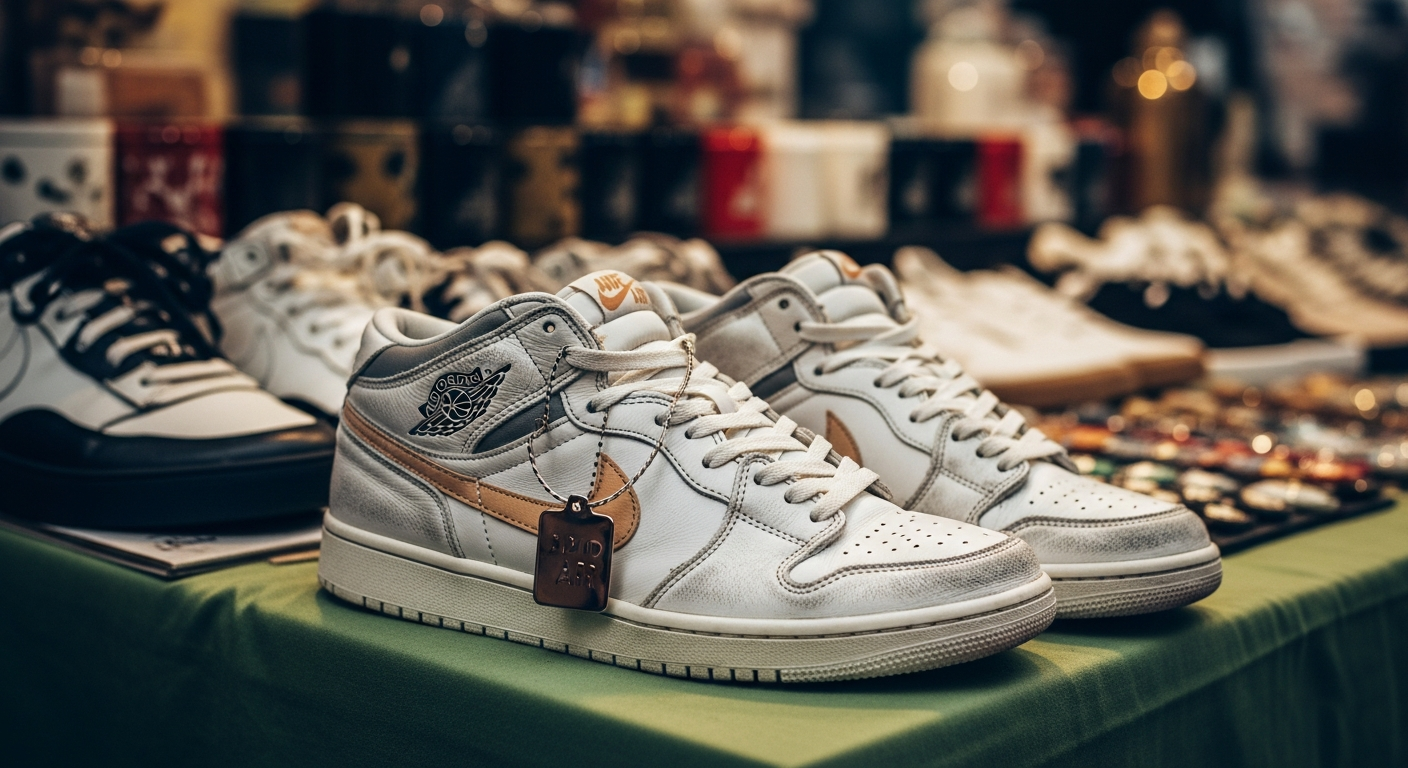
A man in the United Kingdom made headlines recently after a creative and somewhat unexpected use of technology shed light on what might really happen to our donated goods. Before parting ways with his old sneakers, he discreetly placed an Apple AirTag inside one of the shoes. Days later, the tracking device revealed a journey that led not to a charitable cause, but to a bustling market stall miles away — offering a glimpse into the hidden world of second-hand donations. This story captured widespread attention online, raising both ethical and logistical questions about how donations are handled once they leave our hands.
This revealing anecdote is not just a one-off curiosity — it taps into growing concerns around transparency in charitable organizations, especially in relation to clothing and shoe donations. Many people donate with the assumption that their gently-used items will end up helping those in need, whether locally or abroad. But as this AirTag experiment shows, the reality can be a lot murkier. With global reselling markets, third-party contractors, and recycling firms involved in the process, donated goods often travel complex routes that don’t always align with donor intentions.
This story forces us to ask pressing new questions: What really happens when we drop items into a donation bin? Are they resold for profit? Who benefits? And most importantly, should donors care where their items end up — as long as they are reused responsibly? Let’s unpack everything we know about this strange yet illuminating journey made possible by a simple tracking device used in an inventive way.
Overview of the Incident
| Location | United Kingdom |
| Item Tracked | A pair of sneakers containing an Apple AirTag |
| Donated To | A local drop-off bin operated by a charity |
| Final Location Tracked | A market stall several miles away |
| Main Concern | Transparency in charitable donation chains |
The motivation behind tracking donated items
According to the original story published by Thaihut.org, the anonymous donor decided to place an AirTag in his sneakers out of sheer curiosity. With ongoing rumors and skepticism about how charitable organizations handle donated items, he wanted to see where his donation would truly end up. AirTags, which are typically used to find lost keys, wallets, or bags, provided a simple tracking mechanism for this impromptu experiment.
What he uncovered was both surprising and eye-opening. Instead of ending up at a homeless shelter or being transported to a low-income community, the sneakers made their way to a market stall, destined to be resold to the general public. This revelation sparked larger questions about the donors’ expectations versus the actual destination of their donated items.
How charitable donation chains actually work
In most Western countries, especially in the UK and US, charities often collaborate with third-party contractors for sorting, transporting, and redistributing donated goods. Once clothes or shoes are dropped in a bin, they may go to a central processing hub where items are graded, baled, and either sold domestically or shipped overseas to developing nations or resale markets.
According to the UK Charity Retail Association, up to half of donated clothing may not stay within the UK. If deemed unsuitable for domestic resale, these items are shipped abroad, often to resale markets or textile recyclers. Unfortunately, not all charities are transparent about this process.
“There’s a widespread assumption that your donated items will help someone locally, but that’s rarely the full picture.”
— Sarah Myers, Supply Chain Ethics Researcher
Market for second-hand goods is big business
The resale of donated clothing and shoes is a multi-billion dollar industry. According to MarketWatch, the global second-hand apparel market was valued at $96 billion in 2021 and is expected to double by 2030. While this can reduce fashion waste, it also means donated items often enter a commercial pipeline where they are sold for profit rather than being given to those in need for free.
In the case of the AirTagged sneakers, their appearance at a market stall suggests that either the charity itself or a contracted third party decided they were suitable for resale. This raises questions about whether donors are inadvertently contributing inventory to commercial entities under the assumption of charity.
Ethical concerns about donation transparency
While there’s nothing inherently wrong with reselling donated items (charity shops do it all the time to raise funds), the lack of transparency can make donors feel betrayed. Most people wouldn’t have a problem if their contribution generated revenue to support charitable work — but they understandably want to be informed about how that happens and who benefits.
“Donors deserve honesty. When someone gives in good faith, they should know where their contribution is going and how it will serve a larger purpose.”
— Kelvin Rose, Nonprofit Accountability Consultant
This incident underscores the importance of holding charitable organizations accountable for the supply chains they participate in. Some charities have strict contracts and ethical guidelines that govern how third-party contractors handle donations. Others are less meticulous, leading to misused or misdirected contributions, and increasing skepticism among would-be donors.
Technology reshaping public trust
Stories like this one show how consumer technology is inadvertently acting as a watchdog for public institutions. Devices like AirTags and GPS trackers are now being used by environmentally-conscious citizens, skeptical donors, and investigative journalists to verify claims made by companies and nonprofits.
From tracking where recycled trash actually ends up, to following donation bins to export docks, these technologies offer transparency in systems that often lack it. And that visibility may be what pushes the industry toward more ethical practices in the long run.
What charities can do to rebuild trust
Transparency is key. Charitable organizations must improve communication about what happens to donated goods. Clear signage on bins, informative websites, and annual public reports detailing how donations are used can go a long way in rebuilding trust.
Additionally, charities can provide tiered donation options—where people can choose whether they’d prefer the item be given to someone in need directly or resold for fundraising. Such transparency not only builds donor confidence but can also enhance brand reputation.
“Trust is your brand’s most precious asset. If donors feel misled, they’ll stop giving not just to you, but to all charities.”
— Anita Coombes, Philanthropic Strategy Consultant
Potential winners and losers in this scenario
| Winners | Losers |
|---|---|
| Charities that embrace transparency | Charities with vague or opaque donation policies |
| Consumers who gain awareness | Donors unaware of resale practices |
| Resellers with access to quality donations | End-recipients expecting aid, not merchandise |
Final thoughts on the viral AirTag sneaker story
Sometimes it takes a bit of curiosity and technology to reveal truths we’d rather not see. The story of an AirTagged pair of sneakers traveling from a donation bin to a market highlights an essential truth: that good intentions can only go so far without structural integrity and transparency. If we wish to continue giving to causes and organizations we believe in, it’s not just our items that need auditing — but also the systems they enter once we’ve let them go.
Frequently Asked Questions
What is an Apple AirTag?
An AirTag is a small tracking device made by Apple that helps locate lost items using GPS and nearby Apple devices via Bluetooth signals.
Is it legal to track donated items with an AirTag?
While not necessarily illegal, placing a tracker in donated goods without notifying the recipient could raise privacy or ethical concerns.
Do all charities resell donated goods?
No, not all. Some charities hand items directly to people in need. Others resell donations to generate funds for their programs.
How can I find out what a charity does with my donated items?
Check the organization’s website or contact them directly to learn about their donation processing and usage policies.
Why do donated items get resold at markets?
Charities or their contractors often resell items to fund their operations or because they lack the infrastructure to distribute items directly.
Can I request my items not be resold?
Most donation systems don’t provide this option, but asking the charity beforehand or picking one known for direct distribution can help.
Are market stalls that sell donations illegal?
Not necessarily. If the items were legally obtained and sold per local laws, it’s typically allowed — though individual perception varies.
How can I make sure my donation helps someone in need?
Research the charity’s practices, ask questions, and consider donating directly to local shelters or individuals when appropriate.