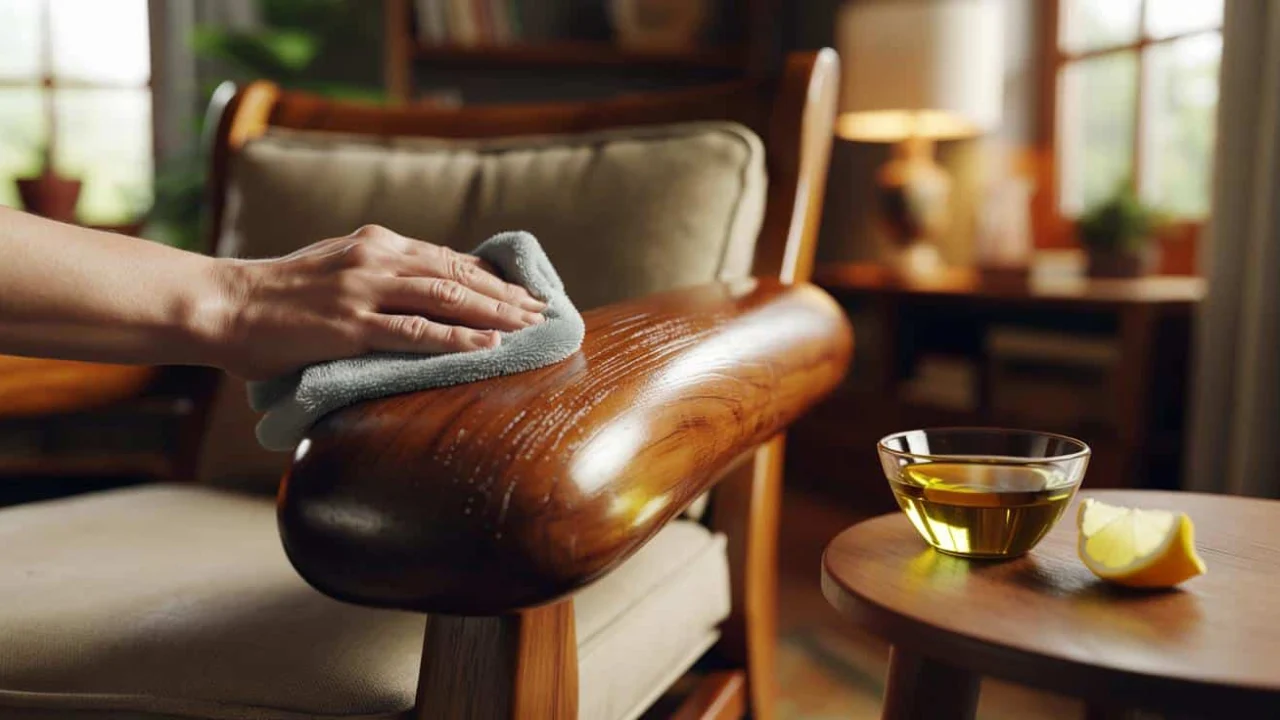
The moment you pull an old wooden chair or table out of storage, you might be struck by the dullness of its finish—the once rich, warm wood now clouded by years of dust, fingerprints, and wear. What feels like the inevitable march toward replacement, however, can often be reversed with a surprisingly simple restoration technique. This method doesn’t rely on expensive commercial products or harsh chemicals. Instead, it embraces the gentle art of slow, mindful cleaning using a homemade solution of everyday kitchen ingredients that breathe life back into your treasured wooden furniture.
Old furniture holds stories—memories sewn into the grain, dents carved by time, and the soft patina that only age can create. Yet, these stories can fade behind a grimy film accumulated from polishing, cooking residues, and everyday use. The trick to restoring that story isn’t aggressive stripping or sanding, but a careful removal of what experts call “the noise” hiding the wood. It’s a method cherished by skilled restorers who swear by a specific homemade mixture that unlocks a natural, satin glow without damaging delicate vintage finishes.
This article will guide you through the expert-approved technique and shed light on why such simple ingredients as vinegar, olive oil, and lemon juice outshine many commercial options. You’ll also learn how patience and the right application method make all the difference between a greasy, streaky mess and a done piece that looks almost brand new while preserving its timeless history.
Overview of the Wooden Furniture Restoration Method
| Ingredient | Role | Usage |
|---|---|---|
| White Vinegar | Mild degreaser | Removes buildup, grease, and old polish |
| Olive Oil | Wood nourisher | Penetrates wood, evens sheen, deepens color |
| Lemon Juice or Lemon Essential Oil | Fresh scent & slight acidity | Enhances cleaning and leaves pleasant smell |
| Microfiber Cloth | Cleaning tool | Applies solution gently and buffs surface |
| Application Method | Technique | Slow, gentle wiping following wood grain, using light pressure |
Why This Homemade Solution Is a Game-Changer for Old Wood
Unlike many modern chemical cleaners, which can be harsh and damaging to delicate varnishes and shellac finishes, this blend of white vinegar, olive oil, and lemon juice offers a gentler alternative. The vinegar works as a light degreaser that cuts through the invisible layers of grime that build up over years—from aerosol polishes to kitchen films and, critically, the oils left behind by human touch. This prepares the surface without stripping or sanding it, preserving the integrity of the original finish.
The olive oil does not sit atop the wood as a superficial coating. Rather, it seeps slightly into dry areas, evening out the wood’s natural sheen and enriching its color depth. This effect is especially evident on older pieces where the wood may have lost some of its vitality. Adding lemon juice or essential oil brings a subtle acidity that enhances cleaning and leaves the piece smelling fresh without overpowering chemical scents.
Restorers emphasize that the magic comes not from the ingredients alone, but from the methodical and patient application of the solution. Going slow and working in small sections with a barely damp cloth can transform a dull, tired piece into one with a soft satin glow that feels expensive, honest, and deeply appealing to touch.
How to Use This Solution Step-by-Step
Before starting, always dust your furniture with a dry microfiber cloth to remove loose dirt and grit. Any particles left on the surface risk acting like sandpaper during the cleaning process and can cause new micro-scratches.
Next, prepare the solution: combine equal parts white vinegar and olive oil in a small bowl—typically a few tablespoons each. Add a few drops of real lemon juice or lemon essential oil for freshening and mild cleaning power. Use a fork to whisk the ingredients together lightly until just emulsified—enough to blend but not to form a thick mixture.
Dip one corner of a clean microfiber cloth into the mixture, then wring it out thoroughly. The cloth should be damp, not wet. Excess liquid can pool and cause uneven finishes or attract dust post-application.
Work in small sections, wiping gently in the direction of the wood grain, applying light pressure with many passes. This method resembles polishing a favorite pair of leather shoes rather than a quick spray-and-wipe job. After one pass with the oily cloth, immediately follow up with a second dry microfiber cloth to buff and remove any excess oil, preventing residue.
Carved details and joints require extra care. Oil can accumulate in crevices and attract dirt if left unbuffed. If your cloth becomes dirty, swap it out rather than risk grinding debris back into the finish.
Which Furniture Types Benefit Most from This Treatment
This treatment works best on sealed wood furniture with traditional finishes such as shellac, old varnish, or lacquered surfaces that are not raw or unsealed. It’s perfect for restoring cherished heirloom pieces, vintage sideboards, oak bedside tables, and walnut armchairs typically found in many homes.
Restorers warn against using this method on raw (unfinished) wood or certain modern surfaces where the finish might be too sensitive or reactive to oils and acids. When uncertain, always test the mixture discreetly on the back of a leg or underneath a shelf, then wait a few hours to observe any adverse reactions.
Potential Pitfalls and How to Avoid Them
A common mistake is rushing the cleaning process or using too much of the solution, hoping for instant perfection. This often results in a greasy or uneven appearance and can cause frustration, leading people to blame the home remedy itself. The truth is, the patience and technique of application are what create the impressive results.
Another potential issue is neglecting to buff the surface fully. Proper buffing with a dry microfiber cloth is crucial to avoid sticky residues that attract dust and dirt. Lastly, be mindful around carved and intricate areas—these tend to trap more oil and grime, so diligence and changing cloths frequently are essential steps.
The Emotional Value of Restoring Old Furniture
More than just physical restoration, this technique reconnects us with our furniture’s history. Many find themselves surprised by details long overlooked—the delicate swirling grain, the unique carved legs, or small dents made by childhood toys. Instead of replacing furniture when it looks dull or worn, rediscovering its quiet charm can renew appreciation and emotional connection.
As furniture restorer Claire D. describes, the process doesn’t erase the past; it simply removes the noise hiding the original character of the wood. The piece suddenly feels alive again, inviting touch, admiration, and a renewed sense of value.
| Winners | Losers |
|---|---|
| Old sealed wood furniture (oak, walnut, shellac finishes) | Raw, unfinished wood pieces |
| Furniture with layers of old polish and kitchen film | Plastic or heavily lacquered modern furniture |
| Careful, patient users who follow application steps thoroughly | Those seeking instant results with quick, heavy applications |
| Preservation of sentimental or heirloom pieces | Furniture with deep physical damage like gouges and missing varnish |
What professionals say about this cleaning method
“You’re not fixing the past, you’re just removing the noise that’s hiding the wood.”
— Claire D., Furniture Restorer
“The ‘miracle’ is really the patience. The solution just gives your patience a bit of help.”
— Mark Ellison, London-based Restorer
Common Questions about Restoring Wooden Furniture
Can this solution damage antique furniture?
When used correctly on sealed surfaces, it’s gentle enough for antiques. However, testing in an inconspicuous spot first is essential to avoid damage, especially with delicate finishes.
How often should I restore my wooden furniture like this?
Generally, once every few months or as needed. Regular dusting and spot cleaning extend the life of the finish between treatments.
Can I use other oils instead of olive oil?
Olive oil is recommended for its nourishing properties and availability, but other natural oils like walnut or coconut oil could work, though results may vary.
Is this method effective on heavily scratched wood?
It doesn’t erase scratches but changes how light interacts with them, making them less noticeable by evening out the surface sheen.
What should I do if my cloth gets very dirty during cleaning?
Replace it immediately. Dirty cloths grind dirt back into the finish and can cause damage.
Can I use this solution on painted furniture?
It’s not recommended. The mixture targets wood grain and may affect paint or lacquer finishes adversely.
How do I clean up excess oil if the wood feels greasy after treatment?
Buff thoroughly with a dry microfiber cloth. In stubborn cases, lightly dampen the cloth with water (not soaking) and buff again, followed by drying.
What do I do if I notice discoloration after the test patch?
If discoloration occurs, avoid using the solution on that piece and consult a professional restorer for advice.
What ingredients are used in the homemade mixture to refresh old wooden furniture?
The homemade mixture uses white vinegar, olive oil, and lemon juice or lemon essential oil.
What is the role of white vinegar in the wooden furniture restoration method?
White vinegar acts as a mild degreaser to remove buildup, grease, and old polish from the wood.
How does olive oil contribute to restoring wooden furniture?
Olive oil nourishes the wood by penetrating it, evening out the sheen, and deepening the color.
Why is lemon juice or lemon essential oil included in the cleaning solution?
Lemon juice or lemon essential oil provides a fresh scent, slight acidity that enhances cleaning, and leaves a pleasant smell on the furniture.
What is the purpose of using a microfiber cloth in this restoration process?
A microfiber cloth gently applies the solution and buffs the wood without causing damage or streaks.
Why is patience important when using this homemade mixture to restore wooden furniture?
Patience ensures the right application method, preventing greasy or streaky results and allowing the wood to achieve a natural, satin glow while preserving its vintage finish.