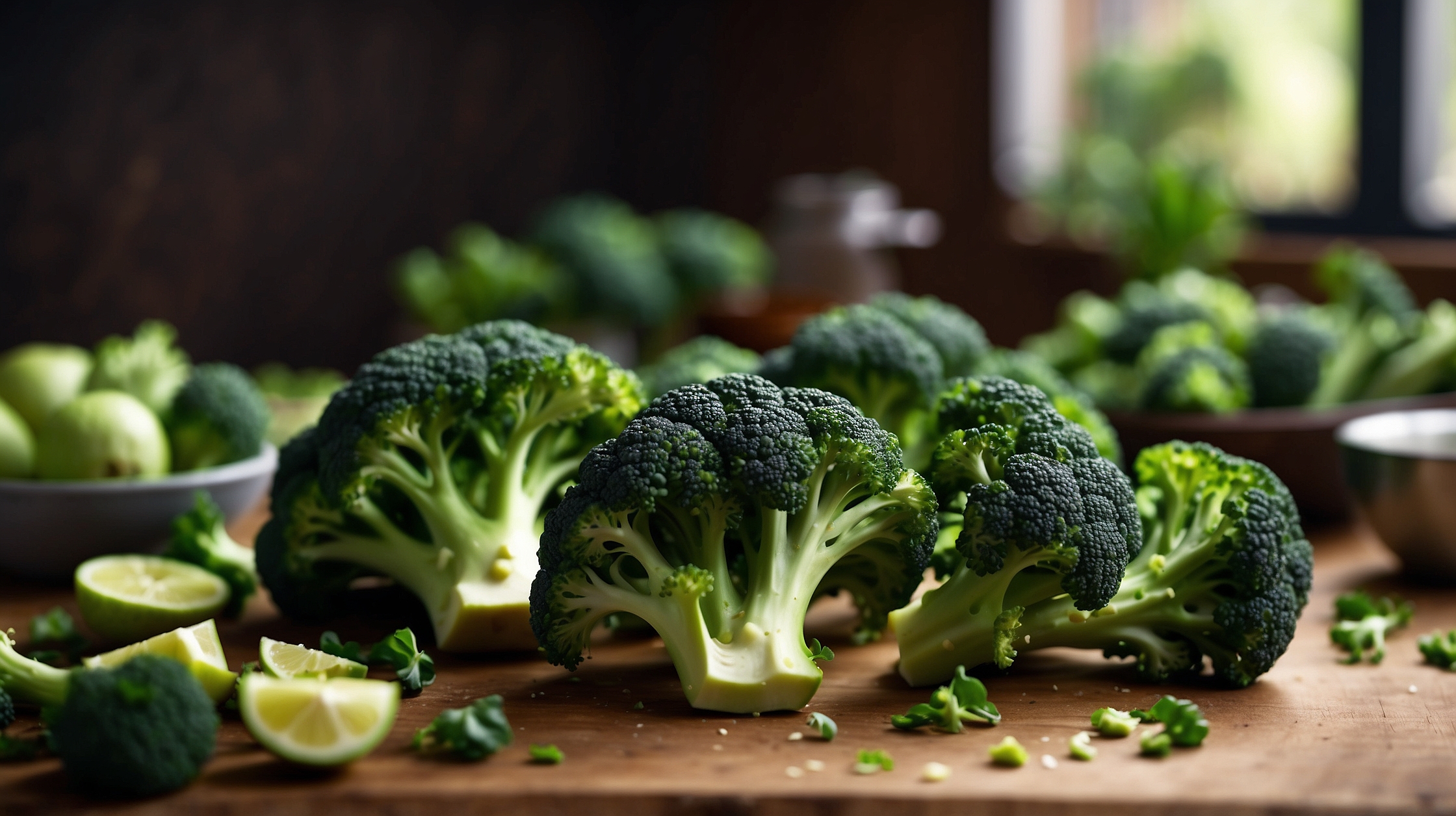
When it comes to healthy eating, few vegetables receive as much praise as **broccoli**. Often served steamed, boiled, stir-fried, or raw in salads, broccoli is a staple in the diets of health-conscious individuals. But have you ever wondered if there’s a better way to prepare broccoli—one that maximizes its **nutritional value**, particularly its powerful antioxidant content?
For years, health professionals have hailed broccoli as a superfood, packed with vitamins such as **vitamin C**, **vitamin K**, and having significant levels of **sulforaphane**, a compound known for its cancer-fighting potential. However, not all cooking methods treat these nutrients equally. New insights are now reshaping how we should approach preparing this green giant to fully harness its health benefits.
Recent research has uncovered that some traditional cooking techniques may degrade the very nutrients we aim to consume. While raw broccoli is often considered the healthiest, it’s not always the easiest to digest or most appetizing. On the other hand, overcooking can destroy essential compounds. So what is the best way to cook broccoli while **preserving its antioxidants**?
This article dives into science-backed methods and explores the **perfect balance of cooking and nutrition**, guiding you to make the most out of every green floret on your plate.
Quick comparison of broccoli cooking methods
| Cooking Method | Antioxidant Retention | Vitamin C Level | Digestibility |
|---|---|---|---|
| Boiling | Low | Very Low | High |
| Steaming | High | Moderate to High | Moderate |
| Stir-Frying | Moderate | Moderate | High |
| Microwaving | High | High | Moderate |
| Raw | Very High | Very High | Low |
Why broccoli’s antioxidants matter more than you think
The standout compound in broccoli is **sulforaphane**, a sulfur-containing compound known to boost the body’s detox enzymes and fight inflammation. Sulforaphane is particularly sensitive to heat, which means improper cooking can deactivate it before it even reaches your plate. Another key antioxidant in broccoli, **vitamin C**, is water-soluble and highly vulnerable to cooking methods involving water, such as boiling.
This makes it crucial to understand how different cooking methods affect these sensitive nutrients. Preserving antioxidants is not just a nutritional preference—it’s a health imperative. These compounds help reduce oxidative stress, aid in detoxification, and may even lower the risk of chronic conditions such as heart disease, type 2 diabetes, and cancer.
Why boiling broccoli is the worst choice
While boiling is a common go-to method because of its convenience, it ranks the lowest in terms of **nutrient preservation**. In boiling, **water-soluble vitamins**, especially vitamin C and some B vitamins, leach out into the cooking water. Unless the water is consumed—in a soup or broth—the nutrients are effectively discarded.
Ergo, boiled broccoli may be soft and easy on the palate, but nutritionally, it’s the equivalent of a ghost of its former self.
“Boiling significantly reduces the antioxidant and vitamin content of vegetables like broccoli. It’s one of the least recommended options if you’re trying to maximize nutrition.”
— Dr. Niran Jatuporn, Clinical Nutritionist
What makes steaming broccoli a better alternative
**Steaming** emerges as a serious contender for the best cooking method. Unlike boiling, steaming allows broccoli to cook without being submerged in water, minimizing nutrient loss. The temperature remains gentle enough to avoid degrading heat-sensitive compounds like vitamin C while still softening the vegetable enough for easier digestion.
Steamed broccoli retains its vibrant green color, a visual indicator of nutrient preservation. For optimal results, steaming for **3–5 minutes** is recommended. Anything longer may still deteriorate the nutrient profile.
“Low-temperature steaming for short durations keeps most of broccoli’s antioxidants intact. It’s a method I always recommend to patients.”
— Dr. Suda Mekchai, Nutrition Researcher (Placeholder)
Unpacking stir-frying and its nutritional trade-offs
Stir-frying is beloved for its quick cooking time and flavor enhancement. Using a small amount of oil and high heat for a short duration can preserve a fair amount of nutrients—especially if the broccoli is not overcooked. However, extreme heat can still impact sulforaphane levels unless timed carefully.
Experts recommend combining chopping with short stir-fry sessions. Cutting broccoli 30–40 minutes before applying heat allows the **sulforaphane** precursor enzyme (myrosinase) time to activate and form sulforaphane, which is slightly more heat stable once formed.
Is microwaving the unsung hero?
Though often overlooked, microwaving might just be the **dark horse** in the culinary world of broccoli. This method heats food quickly and uses very little water, which helps keep vitamins and antioxidants from leaching away or breaking down.
Microwaving broccoli with minimal water for **less than a minute** helps retain a significant amount of vitamin C and other healthful compounds, rivaling raw broccoli in effectiveness with the added benefit of improved digestibility.
“Microwaving carefully—short bursts, low water—can actually outperform boiling and even steaming in some respects.”
— Anan Sripong, Dietician (Placeholder)
The raw vs cooked broccoli debate and the best compromise
Raw broccoli is packed with enzymes and antioxidants in their most unaltered form. However, its **digestibility** can be problematic for some individuals, leading to bloating or gas. Additionally, raw broccoli contains goitrogens that, in large amounts, could impact thyroid function, especially in people with existing thyroid issues.
Therefore, the best compromise may be a **light cook**—microwaving or steaming briefly—enough to preserve nutrients while aiding digestibility. Precutting the broccoli heads to trigger myrosinase activity and allowing them to sit before cooking enhances sulforaphane formation.
How long and how to cook broccoli for maximum benefit
Want to find the best of both worlds between taste and nutrition? Here’s what the science suggests:
- Chop broccoli 30–45 minutes before cooking
- Use steaming or microwaving for just 2–3 minutes
- Avoid boiling unless part of a soup where you drink the broth
- Enhance with a mustard seed for extra myrosinase if you must cook longer
Using these gentle cooking methods helps maintain flavor, texture, and most importantly, the notable concentration of antioxidants.
Winners and losers in broccoli cooking methods
| Method | Winner or Loser | Why |
|---|---|---|
| Steaming | Winner | Preserves antioxidants and vitamins with minimal nutrient loss |
| Microwaving | Winner | Rapid cooking with minimal water preserves most nutrients |
| Boiling | Loser | Leaches vitamins into water; poor retention of antioxidants |
| Raw | Tie | High nutrients but may not be digestible for everyone |
Frequently asked questions
What is the healthiest way to cook broccoli?
Steaming or microwaving broccoli for a short time (2–3 minutes) is considered the healthiest way to preserve its antioxidants and vitamins.
Can you eat broccoli raw every day?
Yes, but it may cause digestive discomfort for some. Consuming it in moderation or lightly cooking it can help make it easier to digest.
Is boiled broccoli bad for you?
Boiled broccoli isn’t harmful but it loses a significant amount of nutrients, especially vitamin C and antioxidants, making it a less ideal choice.
Does microwaving destroy broccoli nutrients?
When done correctly (short time, minimal water), microwaving actually retains more nutrients than boiling or even stir-frying.
How do I activate sulforaphane in broccoli?
Chop the broccoli and let it sit for 30 to 40 minutes before cooking, allowing the enzyme myrosinase to convert compounds into sulforaphane.
Can you regain lost nutrients in cooked broccoli?
Once nutrients are lost (especially water-soluble ones like vitamin C), they can’t be recovered. That’s why choosing the right cooking method is crucial.
What can I add to cooked broccoli to boost nutrition?
Adding mustard seeds or mustard powder can supply the enzyme myrosinase to help restore sulforaphane if the enzyme was destroyed during cooking.
Is it okay to eat broccoli every day?
Yes, it’s safe and beneficial when eaten as part of a balanced diet. Just vary the preparation methods and ensure it’s not overly cooked.