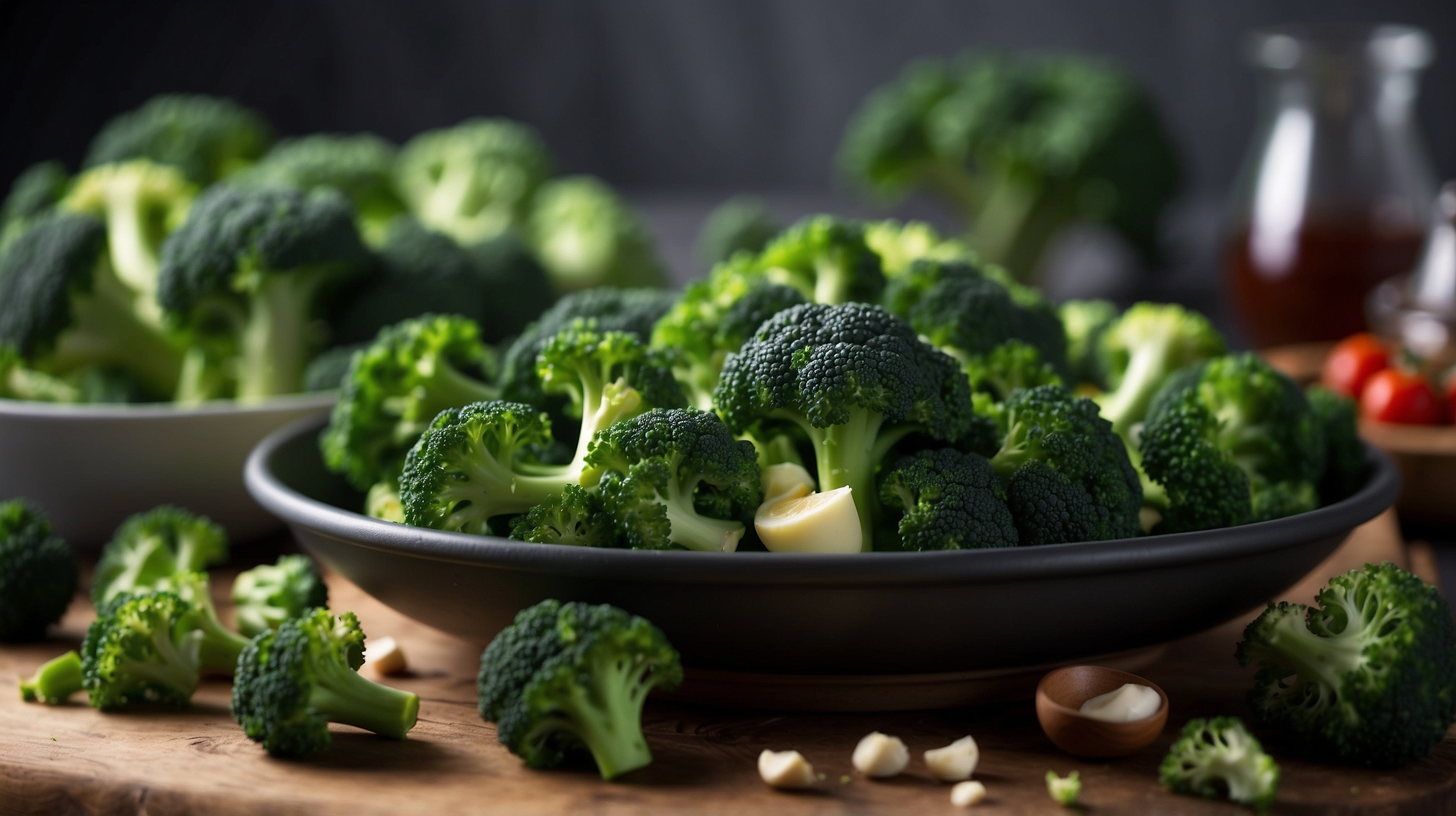
For many health-conscious eaters, broccoli is hailed as a superfood—packed with vitamins, antioxidants, and fiber. It’s been a staple in countless kitchens, appearing in everything from smoothies to stir-fries. But here’s a question that many of us may not have given much thought to: Are we cooking broccoli the wrong way—and perhaps losing most of its nutrients in the process?
For years, conventional wisdom has offered mixed opinions. Some endorse boiling, others swear by steaming, and a new wave backs raw consumption as the most wholesome choice. Nutrition science, however, has begun to settle the debate, and the answer may surprise you. The way you cook broccoli can significantly impact its nutritional value, especially its antioxidant content and crucial vitamins such as vitamin C and vitamin K.
By reevaluating your cooking methods, you could be unlocking broccoli’s health potential more effectively than ever before. In this article, we uncover the most beneficial technique grounded in current nutritional science—and why neither boiling nor eating it raw is your best bet.
Key insights at a glance
| Topic | Best way to cook broccoli to retain nutrients |
| Common methods analyzed | Boiled, steamed, microwaved, stir-fried, raw |
| Most nutrient-preserving method | Stir-frying and microwaving for short durations without water immersion |
| Recommended cooking time | Under 2 minutes |
| Nutrients preserved | Vitamin C, vitamin K, lutein, sulforaphane |
Why broccoli deserves special attention
Broccoli is a powerhouse vegetable that contains abundant quantities of vitamins A, C, and K, along with essential minerals like iron, calcium, and potassium. It’s also rich in dietary fiber, making it helpful for digestive health. What makes broccoli particularly noteworthy among vegetables, however, is its unique concentration of antioxidants—specifically, compounds like lutein and sulforaphane, which have been linked to reduced inflammation, lower cancer risk, and improved heart health.
The challenge lies in how to cook broccoli in a way that retains its nutritional integrity. Many of its vitamins and antioxidants are water-soluble or heat-sensitive, meaning traditional cooking methods like boiling could cause them to leach away.
Cooking methods compared: what science tells us
A recent review conducted by food and nutritional scientists explored a range of broccoli cooking methods—boiling, steaming, stir-frying, microwaving, and consuming it raw. Their findings revealed stark contrasts in the preservation of antioxidants and essential vitamins depending on the method used.
- Boiling: Broccoli loses a significant percentage of its nutrients due to prolonged water contact. Vitamins like C and folate are dissolved into the boiling water and discarded when drained.
- Steaming: Slightly better than boiling, steaming reduces contact with water but still subjects the vegetable to high temperatures for a longer duration, affecting some heat-sensitive compounds.
- Raw: Eating raw broccoli keeps most nutrients intact, but it can hinder the absorption and bioavailability of certain compounds that benefit from light heating.
- Microwaving (short duration): When done without added water and in short bursts, microwaving effectively preserves vitamins and antioxidants.
- Stir-frying: Especially when done at high temperature and with minimal oil for a short time, stir-frying helps retain most nutrients while enhancing flavors.
Winners and losers in broccoli preparation
| Method | Winners (Retained Nutrients) | Losers (Lost Nutrients) |
|---|---|---|
| Boiling | Minimal dietary fiber | Vitamin C, folate, lutein |
| Steaming | Some vitamin C and sulforaphane | Partially degraded antioxidants |
| Raw | Vitamin C, folate | Sulforaphane bioavailability (requires mild heat) |
| Microwaving (short) | Vitamin C, sulforaphane preserved | Minimal nutrient loss |
| Stir-frying | Lutein, vitamin K, vitamin C | Minor water-soluble vitamin degradation |
The best method: A balance between raw and cooked
According to leading food nutrition researchers, the sweet spot lies in short-period stir-frying or microwaving without any water immersion. These methods deliver just enough heat to activate beneficial enzymes like myrosinase—which boosts the formation of sulforaphane—while keeping delicate nutrients like vitamin C intact.
Stir-frying, in particular, offers additional culinary benefits. When tossed in a hot pan briefly with minimal olive oil and garlic, broccoli not only preserves its nutrients but becomes more palatable—often leading to higher consumption, especially among children.
Microwaving, if done correctly, has its merits too. Place chopped broccoli in a microwave-safe dish, cover it loosely (no water), and cook for one to two minutes. This method ensures that antioxidants and vitamins remain largely intact.
“Quick-cooking methods like stir-frying and flash microwaving optimize bioavailability while preserving broccoli’s natural wealth of nutrients.”
— Dr. Arun Jettapa, Nutritional Biochemist
Additional tips to retain broccoli’s benefits
The way broccoli is stored and prepared before cooking also affects its nutrient profile. Cutting broccoli and letting it sit for 40–90 minutes before cooking allows its plant enzymes to activate, further enhancing antioxidant levels. Also, pairing broccoli with foods rich in healthy fats—like olive oil or avocado—can enhance the absorption of fat-soluble vitamins like A and K.
“One smart tip: chop your broccoli ahead of time and let it ‘breathe’ before cooking. This tiny habit activates key enzymes that maximize sulforaphane content.”
— Dr. Wanchana M., Food Science Researcher
Health conditions that benefit from optimal broccoli preparation
Improved broccoli preparation can be a game-changer for individuals dealing with chronic inflammation, heart disease, and even metabolic disorders like diabetes. Antioxidant-rich vegetables like broccoli have been linked to lower oxidative stress markers and improved insulin sensitivity.
For those aiming to bolster bone health, preserving vitamin K and calcium in broccoli dishes offers added value. Likewise, the anti-inflammatory compound sulforaphane has shown promise in managing arthritis symptoms and even slowing cognitive aging.
“Broccoli is your edible multivitamin—if prepared wisely. It’s not just about eating green, it’s about cooking smart.”
— Placeholder, Registered Dietitian
FAQs about the best way to cook broccoli
Is it better to eat broccoli raw or cooked?
Cooked broccoli—specifically microwaved or stir-fried—retains more bioavailable nutrients than raw broccoli, especially when it comes to antioxidants like sulforaphane.
Why is boiling broccoli not recommended?
Boiling reduces broccoli’s nutritional value by leaching water-soluble vitamins such as vitamin C and folate into the water, which is typically discarded.
How long should you microwave broccoli for maximum nutrients?
Microwave chopped broccoli for one to two minutes without added water to preserve antioxidant compounds and essential vitamins.
What oil is best for stir-frying broccoli?
Use extra virgin olive oil or a high smoke-point oil like avocado oil for healthier stir-frying that also enhances vitamin absorption.
Can broccoli help reduce inflammation?
Yes, broccoli contains anti-inflammatory compounds like sulforaphane and lutein, which have been shown to reduce inflammation markers in the body.
Does freezing broccoli affect its nutrients?
Frozen broccoli retains most of its nutrients, especially when it is flash-frozen after harvesting. However, avoid overcooking frozen broccoli to preserve its benefits.
Can I combine broccoli with other vegetables for better nutrition?
Absolutely. Combining broccoli with bell peppers, carrots, or grains can offer complementary nutrients and enhance overall antioxidant intake.
How can I make broccoli more appealing to kids?
Stir-fry chopped broccoli with a bit of garlic, olive oil, and light seasoning to add flavor without compromising nutrients. Adding a cheese topping or natural sauces can also help with picky eaters.