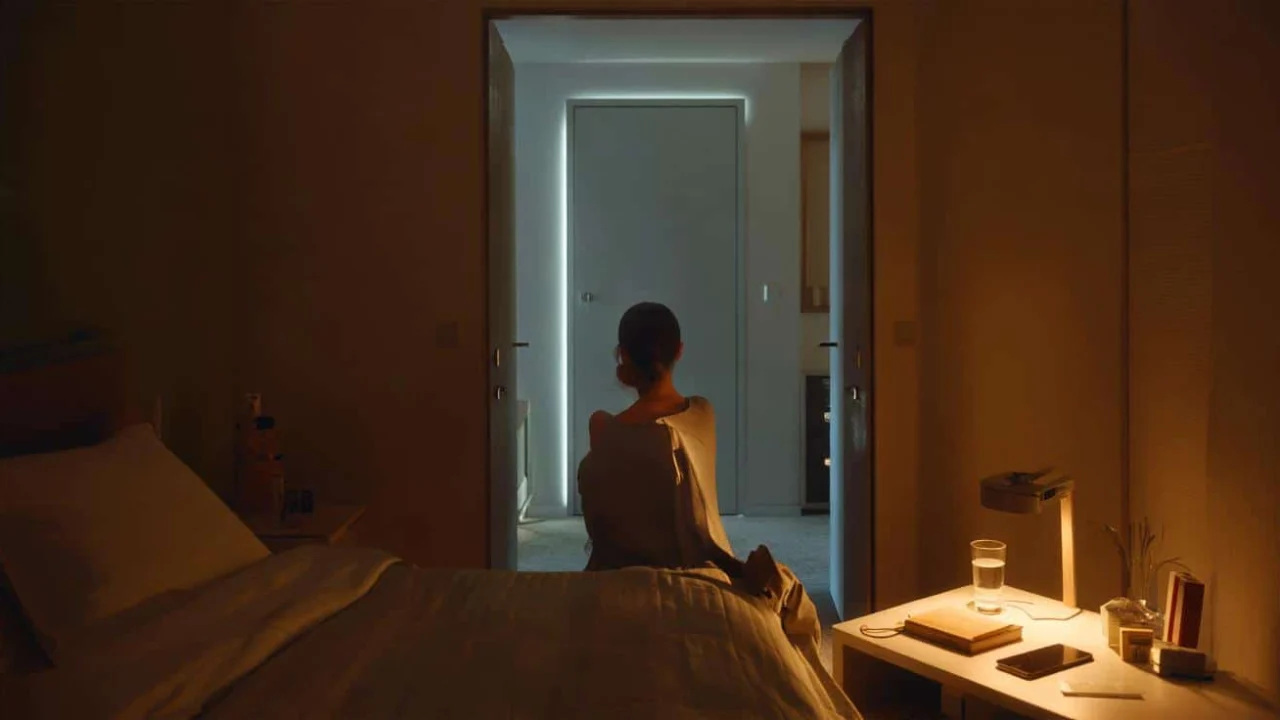
The seemingly simple choice of whether to sleep with your bedroom door closed or open resonates far beyond personal comfort—it reflects deeper aspects of personality, boundaries, and how individuals manage their stress and environment. For those who habitually close their bedroom door before sleep, the gesture often symbolizes more than just shutting out light or noise. It acts as a physical and emotional boundary that offers a sense of security, control, and psychological containment in a chaotic world.
Many people who close their doors at night describe a strong need for a private, protected space—one that silently communicates, “This area belongs to me.” It’s a ritualistic pause that marks the end of the day and the start of rest. Psychologists link this habit to personality traits like high conscientiousness, a preference for order, and a firm boundary-setting approach to life. Those who keep their doors closed are often calmer knowing where the edges of their space lie, reinforcing a quiet self-protection of their mental and physical well-being.
On the other hand, open-door sleepers tend to express a different kind of bravery: a comfort with unpredictability, openness to connection, and an ease with blurred personal boundaries. Examining why someone chooses one habit over another can illuminate how they cope with noise, change, intimacy, and personal limits in various realms of their lives.
What the Bedroom Door Reveals About Personality
| Personality Trait | Closed Door Sleepers | Open Door Sleepers |
|---|---|---|
| Need for Control | High – emphasis on order and boundaries | Low to Moderate – tolerance for unpredictability |
| Sensory Regulation | Seeks less noise, light, sensory input | More accepting of external stimuli |
| Social Boundaries | Prefers firm lines between self and others | Prefers fluid, open social connection |
| Risk Management | Prioritizes reducing unknowns and disturbances | More relaxed about spontaneity and exposure |
| Attachment to Ritual | Strong bedtime routines and containment acts | Less emphasis on tight routines |
The Daily Rituals Behind Closing the Door
For many closed-door sleepers, shutting the bedroom door is part of a broader nightly routine that brings order and calm. Their habit is often accompanied by subtle, deliberate actions—checking windows, adjusting pillows, dimming lights, folding clothes neatly, or positioning their phone charger in the exact same spot. These actions form tiny comfort rituals that prepare both body and mind to switch to rest mode.
This ritualistic behavior reflects a personality that craves intention and control amid life’s inherent messiness. While not about perfection, these nightly actions help reduce anxiety and create a safe psychological container. The closed door is a tangible final act of the day’s “compartmentalization,” symbolizing the transition into personal space where external concerns are temporarily locked out.
Why Boundaries Matter for the Nervous System
Closing a bedroom door physically reduces your exposure to sensory distractions—less noise, less light, and fewer visual interruptions. This barrier also sends an important signal to the nervous system that the work of the day is done, allowing the brain to relax into rest. Psychologists explain that people who have difficulty shutting off their mental noise or who experience frequent nighttime disturbances may benefit greatly from this simple boundary-setting act.
“Sleeping with the door closed isn’t about shutting people out; it’s about giving the brain a clear message: nothing else is coming in tonight. You’re allowed to rest.”
— Sleep Researcher, Dr. Jane Holloway
For many, the act of closing the door carries an emotional significance that extends back to childhood. Individuals raised in noisy, crowded, or chaotic environments often associate a closed door with a rare moment of peace and privacy. It can mark a transition from being “everyone’s child/partner/roommate” to being “someone who belongs to themselves.”
How Risk Management Influences Bedroom Door Preference
People who close their doors often embody a mild but meaningful streak of risk management—not paranoia, but a clear preference to minimize disturbances or surprises during rest. The unknown entering a bedroom at night, such as shadows, noises, or unannounced visitors, is something they prefer to control or eliminate altogether.
This inclination mirrors other life patterns, including carefully managing time and attention. Many closed-door sleepers mentally compartmentalize their days into defined blocks—work, social time, family, alone time. Closing the door is a physical marker of switching from one block to another, especially from the “active day” into the “rest and recharge” phase.
Balancing Control and Flexibility in Rest Habits
While healthy routines and boundaries can enhance sleep quality and psychological well-being, there is a potential trap for those who take closed-door rituals to extremes. Overly rigid control—an expectation of perfect order in the bedroom, fixation on the door latch clicking firmly shut—can cause stress rather than relief.
Experts advise focusing on the core goal: achieving enough of a feeling of safety and calm to allow the mind to let go. For many, this can be as simple as a brief tidying-up and making sure the door is closed securely. Building flexibility into these rituals can encourage better adaptability and reduce tensions, especially between partners with differing preferences.
It’s important to communicate openly with people you live with about what closing the door symbolizes for you—not a rejection, but an essential step for your rest and mental space. Recognizing this helps avoid misunderstandings and fosters mutual respect for differing sleep boundaries.
What Happens When You Change Your Bedroom Door Habit
Experiments with changing sleep door habits can be revealing. An open-door loyalist might close it for one night and experience deeper, less disturbed sleep. Conversely, a closed-door purist might leave it ajar during a hot night and realize their sense of control need not be absolute. These small shifts open insights into how sensory input, emotional safety, and personal boundaries interact.
Your bedroom door becomes a simple, low-stakes tool to explore your relationship to control, safety, and social connection. It’s a direct reflection of how you negotiate the demands of your environment and your internal nervous system’s call for peace.
Summary Table: Benefits and Challenges of Sleeping With the Door Closed
| Aspect | Benefits | Challenges |
|---|---|---|
| Privacy | Creates a private, personal space | May cause feelings of isolation |
| Sleep Quality | Reduces noise and light disturbances | May lead to rigidity or discomfort if perfect order is needed |
| Emotional Safety | Supports mental boundary and relaxation | Can strain relationships if not communicated |
| Routine | Encourages healthy bedtime rituals | Risk of over-dependence on ritual for sleep |
| Control | Minimizes surprises and unknown factors | May limit flexibility and adaptability |
Common Questions About Bedroom Door Habits
Why do some people feel uneasy sleeping with the door open?
People who close their doors often need a physical boundary to contain their space, reduce distractions, and mark a psychological end to the day, which open doors don’t provide. It can result in a feeling of vulnerability or restlessness if the door remains open.
Can closing the bedroom door improve sleep quality?
Closing the door reduces light and noise, which can improve sleep quality for many people. It also signals the brain to transition into rest mode, reducing sensory input that might otherwise disturb sleep.
Is closing the door a sign of anxiety or fear?
Not necessarily. While some may close the door out of mild risk management, for many it’s a habit tied to conscientiousness and boundary-setting, rather than fear or paranoia.
How can partners with different door preferences compromise?
Sincere conversation about what the door means to each person is key. Couples can find middle ground such as leaving the door ajar, using door stoppers, or creating other rituals that respect each other’s needs.
Do people who close their bedroom door maintain this habit throughout their lives?
Many do, as it aligns with underlying personality traits. However, people’s habits can shift with life changes, environment, or new awareness of their needs and preferences.
Are there other habits linked to people who prefer closed doors at night?
Yes, they often have organized workspaces, clearly defined daily routines, and preference for intentional actions over spontaneity in their daily lives.
Is it beneficial to develop a bedtime routine around closing the door?
Yes. Incorporating door-closing in a bedtime routine helps the nervous system recognize the transition to rest, improving mental and physical relaxation.
What should someone do if they feel discomfort when they don’t close the bedroom door?
Recognizing the feeling is key. One can try small steps like creating other sensory boundaries or rituals that mimic the sense of containment until they feel ready to adjust the habit.
Next time your hand reaches for the doorknob, pause for a moment: what are you trying to keep out? And what are you granting yourself permission to let in? This subtle yet powerful habit quietly reveals the boundaries you draw around your world—and what you need most to rest well.
What does sleeping with the bedroom door closed indicate about a person’s personality?
Sleeping with the bedroom door closed often symbolizes a need for security, control, and psychological containment. It reflects traits like high conscientiousness, a preference for order, and firm boundary-setting in life.
How do closed-door sleepers manage their environment differently from open-door sleepers?
Closed-door sleepers seek to reduce noise, light, and sensory input to create a private, protected space, whereas open-door sleepers are more accepting of external stimuli and unpredictability.
What personality traits are linked to people who leave their bedroom door open while sleeping?
Open-door sleepers tend to be more comfortable with unpredictability, openness to connection, and have a greater tolerance for blurred personal boundaries.
How do bedroom door preferences reflect social boundaries?
Those who close their doors prefer firm social boundaries and clear separations between self and others, while those who sleep with their doors open prefer more fluid and open social connections.
What role does bedtime routine play for closed-door sleepers?
For closed-door sleepers, closing the door at night acts as a ritual that marks the end of the day, providing a sense of containment and reinforcing mental and physical well-being.
How do open-door sleepers differ in their approach to risk and exposure at night?
Open-door sleepers are generally more relaxed about spontaneity and exposure, showing greater tolerance for unpredictability compared to closed-door sleepers who prioritize reducing unknowns and disturbances.