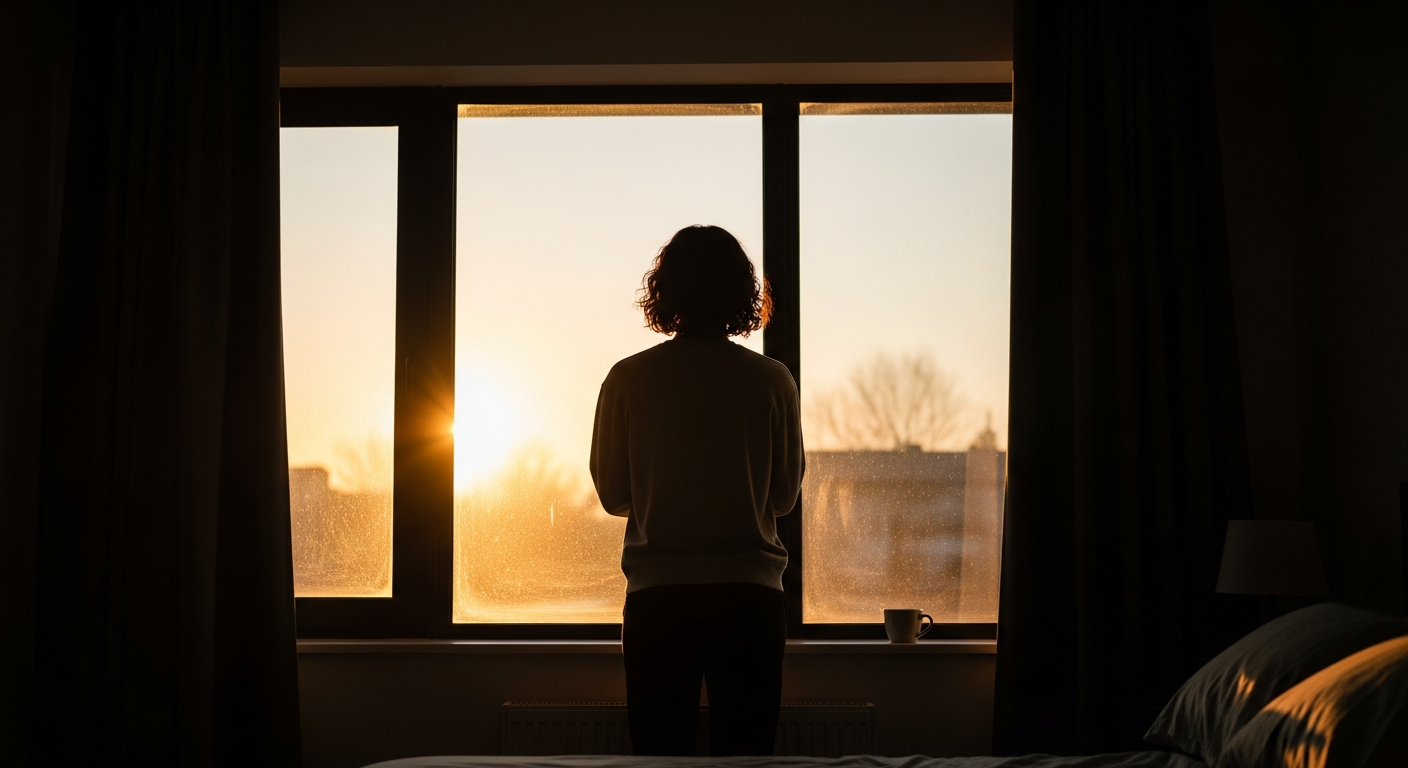
Standing by a window in the morning might do more for your day than you think. While your cup of coffee perks up your energy, natural daylight streaming through the window might be working on a deeper, biological level to improve your alertness, focus, and emotional well-being. Studies are increasingly showing how exposure to natural morning light sparks a cascade of benefits for the human brain and body, setting a positive tone that can last all day.
The soft glow of sunlight through your window activates ancient circuits in your brain designed to synchronize your internal body clock, also known as your circadian rhythm. This internal timing system governs everything from hormones to body temperature to sleep patterns. By merely standing or sitting near a window during the morning, you give your body one of its most critical time signals — that it’s time to wake up, be alert, and perform optimally.
Key benefits of morning window exposure
| Benefit | Description |
|---|---|
| Improved alertness | Natural morning light reduces melatonin and boosts wakefulness |
| Better mood | Exposure increases serotonin, stabilizing mood and reducing anxiety |
| Sharper focus | Regulates the circadian rhythm, enhancing cognitive performance |
| Improved sleep quality | Exposure to morning light helps you fall asleep faster at night |
| Eye health | Natural light supports visual development and reduces eye strain |
Why natural morning light has such an impact
Human evolution is deeply tied to the rhythms of the sun. Our ancestors relied on natural light cues to hunt, gather, and rest. Fast forward to today, and although we live in structured, artificial environments, our biology still responds most powerfully to natural light — particularly in the morning.
Morning light enters the eyes and hits a group of cells called intrinsically photosensitive retinal ganglion cells (ipRGCs). These are not involved in seeing images but are crucial for managing the body’s *circadian rhythm*. They register light intensity and color temperature — both aspects that change with the time of day — and send signals to the brain’s master clock, the *suprachiasmatic nucleus (SCN)*.
This direct line of communication triggers reduced production of *melatonin*, the hormone that encourages sleep, while simultaneously boosting *cortisol*, the hormone that initiates wakefulness. The result? You begin to feel more *awake, alert,* and mentally active within minutes of exposure to daylight.
The mind-body effects go deeper than you may expect
Beyond just alertness, exposure to morning light enhances emotional well-being. It stimulates the release of *serotonin*, a critical neurotransmitter associated with feelings of happiness and calm. A deficiency in serotonin is linked to conditions like *depression* and *anxiety*, which is why light therapy is a popular treatment for *seasonal affective disorder (SAD)*.
It’s not just about mood either. Morning natural light helps strengthen the body’s metabolic processes, impacts immune function, and even improves insulin sensitivity. These health benefits accumulate over time, especially for those who make morning sun exposure an everyday habit.
“Our brains are hardwired to sync with the natural light-dark cycle. Morning light exposure optimizes hormonal balances that influence everything from mood to metabolism.”
— Dr. Eleanor Grant, Chronobiologist
How long you need to stand near the window
Timing matters. Experts recommend exposure to morning sunlight within an hour of waking up for approximately 10 to 30 minutes. Though being outside is ideal, simply standing near a window where sunlight can directly enter your eyes (even indirectly) is extremely beneficial.
The key is consistency. Doing this daily helps regulate your circadian rhythm, making it easier to wake up at the desired time in the future, and improving your nightly sleep efficiency. Rooms with large eastern-facing windows are especially helpful, capturing the softer, blue-enriched light of morning.
“Just 15 minutes at your east-facing kitchen window every morning can dramatically improve your mental and physical vitality over time.”
— Dr. Alan Pierce, Sleep Medicine Specialist
Windows vs. artificial lighting
Some people wonder whether artificial light can serve as a substitute for natural daylight. While some high-intensity light boxes can mimic sunlight and aid people suffering from seasonal depression, they don’t deliver the complete spectrum or variability of natural light. Standard indoor lighting, on the other hand, is too dim — usually 100–300 lux compared to morning sunlight’s 10,000+ lux.
This massive difference in *light intensity* plays a direct role in how effective the stimulus is to your brain. Therefore, being near a window or outside during the early part of your day is preferable to relying only on overhead lights or screens.
Workplace benefits of daylight exposure
There’s growing attention to how the design of workspaces can affect employee health. Offices with large windows and abundant daylight have employees who sleep longer, report greater job satisfaction, and perform better on cognitive tasks. Conversely, poorly lit workspaces are often tied to increased fatigue, eye strain, and depressive symptoms.
Employers are starting to integrate biophilic design — architectural features that connect occupants to nature — including *larger windows*, *glass walls*, and *open spaces* that encourage daylight penetration throughout the office floor. Such subtle shifts can lead to major improvements in workforce mental clarity and physiological well-being.
Morning light and technology detox
Interestingly, those who kick off their day near a window also tend to start their mornings with less screen time — another hidden benefit. Looking at screens immediately upon waking overstimulates the brain with blue light from an unnatural source, impairing natural circadian cues. Natural light exposure helps separate your device-oriented brain from your body’s intrinsic biological needs upon waking.
By anchoring your morning routine in nature — even if it’s just opening the curtains and standing in the sun for a few mindful moments — you give your nervous system a healthier launchpad for the hours ahead.
Tips to maximize your light exposure routine
If you want to integrate this powerful health habit more intentionally, here are a few practical ways to do it:
- Sit near a window during breakfast or morning tea.
- Designate a “sunlight corner” in your home or workspace.
- Keep window coverings up during sleeping hours to allow natural wake cues.
- Invest time outdoors every morning for 15–30 minutes when possible.
- Use mirrors and light-colored walls to bounce daylight deeper into room interiors.
Frequently Asked Questions
Why is morning light more effective than afternoon light?
Morning light has a higher concentration of blue wavelengths, which are most effective in resetting the body’s internal clock. Afternoon light has a warmer tone and is less potent for circadian regulation.
Can I wear glasses or be behind a screen and still get the benefits?
Clear glasses do allow enough light through for positive effects, but tinted or UV-proof glasses may reduce the impact. Screens do not provide natural spectrum light and can’t replace natural light exposure.
What if it’s cloudy or raining in the morning?
Even on cloudy days, the natural light outside is significantly more intense and beneficial than indoor lighting. Standing near a window still brings observable health benefits.
Is early morning sunlight harmful to the eyes?
No, early morning sunlight is generally gentle and not damaging to the eyes. Avoid staring directly at the sun, but indirect exposure through windows is safe and beneficial.
Does morning light help with nighttime sleep?
Yes, exposure to light in the morning sets the circadian clock, helping your body begin producing melatonin at the correct time in the evening, thereby improving sleep onset and quality.
Can children and teenagers benefit from this too?
Absolutely. Morning light exposure is particularly valuable for children and teens, who often suffer sleep disruption due to school schedules and screen use.
How close do I need to be to the window for it to work?
You should be within 3 to 6 feet of a window where daylight can fall on your face or eyes directly, even if indirectly. The closer and more direct, the better the effect.
What’s the best time window for morning light exposure?
Ideally, within 30 to 60 minutes after waking up. Between 6:30 AM and 9:00 AM is most effective, depending on local sunrise times and individual schedules.