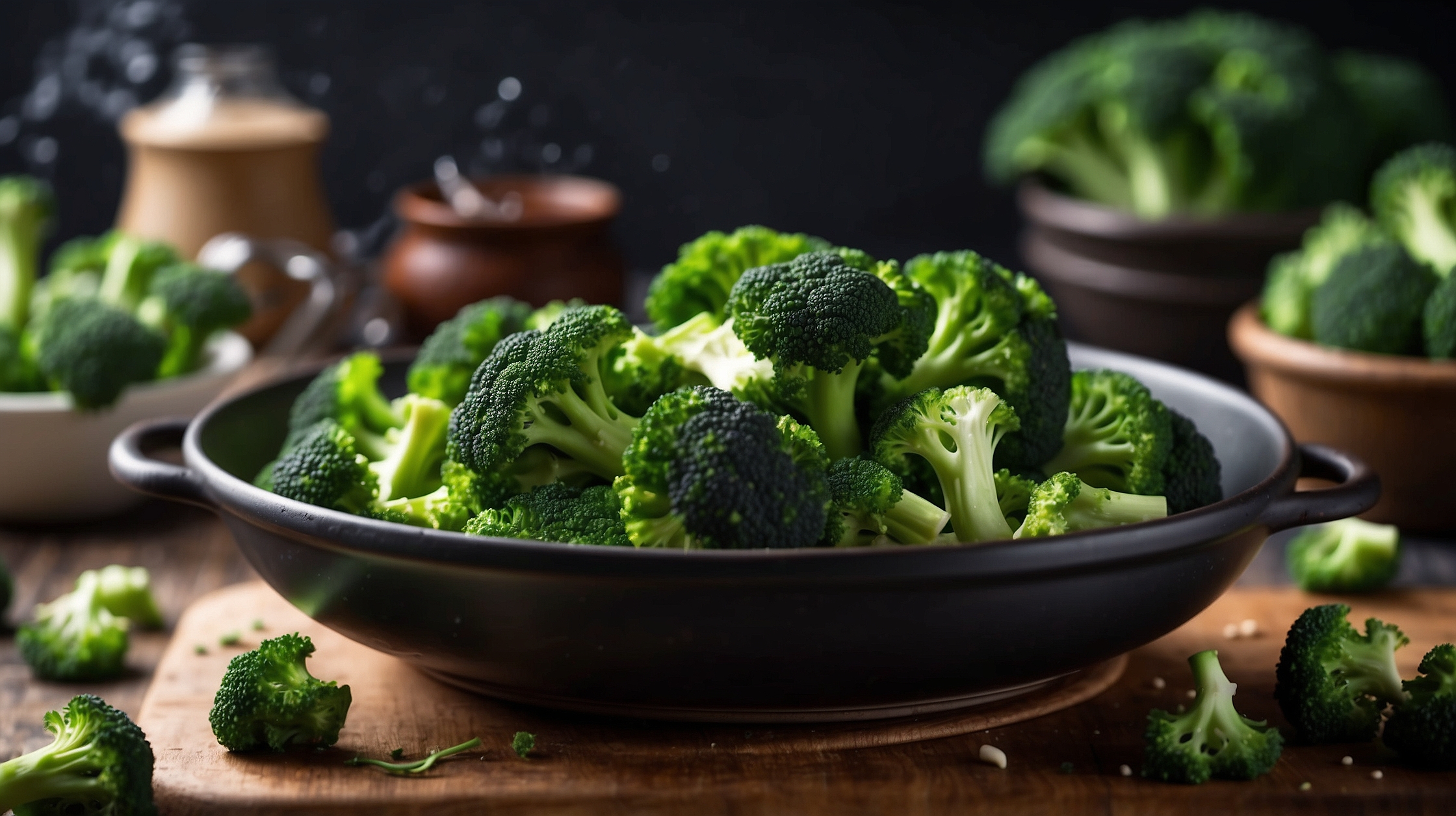
When it comes to healthy eating, broccoli often tops the list of superfoods. It’s easy to see why—this cruciferous vegetable is packed with antioxidants, vitamins, and other beneficial nutrients that support everything from heart health to a stronger immune system. But while most of us know that steaming broccoli is better than boiling it, did you know that even subtle differences in cooking methods can mean the difference between maximizing or losing its health potential?
For years, debates have persisted over how best to cook vegetables like broccoli while preserving their nutrients. Some opt for raw, believing that heat decimates the vitamins. Others lean toward boiling, welcoming the texture and mild flavor it brings. But recent scientific insights suggest that the ideal choice lies somewhere in the middle—a method that retains the antioxidants without compromising on taste or nutrient absorption.
This article takes a deep dive into the latest findings on broccoli preparation, uncovering why the “neither boiled, nor raw” cooking technique may be the golden standard for health seekers.
Best cooking methods for broccoli at a glance
| Cooking Method | Antioxidant Retention | Vitamin Loss | Texture & Taste |
|---|---|---|---|
| Boiling | Low | High (especially Vitamin C) | Soft, often mushy |
| Steaming | High | Low to Moderate | Crisp-tender, vibrant |
| Microwaving | Moderate | Moderate | Varies |
| Stir-frying/Sautéing | High | Minimal | Flavorful, slightly crispy |
| Eating Raw | Maximum | No heat-related loss | Crunchy, earthy |
Why the cooking method matters more than you think
Broccoli contains a class of antioxidants known as glucosinolates, which are converted into cancer-fighting compounds like sulforaphane when broken down properly. The mechanism of this conversion, however, relies on an enzyme called myrosinase, which is sensitive to heat. Boiling broccoli, especially for long periods, destroys this enzyme—effectively eliminating one of the vegetable’s most beneficial properties.
Additionally, water-soluble vitamins such as Vitamin C and some B vitamins can leach out into the water during boiling and get discarded. That’s why some of the most nutrient-rich methods avoid water immersion altogether, or use minimal cooking time and dry heat to preserve nutrient density.
Steaming emerges as the nutrient champion
Of all the cooking options, light steaming stands out as optimal. Research shows it preserves up to 90% of glucosinolates and antioxidants while maintaining a pleasant texture and vibrancy in color. The myrosinase enzyme remains mostly intact, allowing effective formation of sulforaphane during digestion.
Steaming broccoli for just 3-4 minutes delivers the best compromise between taste, texture, and nutrient preservation.
— Dr. Lorenzo Tanaka, Nutritional Biochemist
Unlike boiling, which causes excessive nutrient leakage, steaming retains the vitamins within the plant fibers. Furthermore, the gentle heat helps break down complex fibers just enough to improve digestion, allowing your body to absorb nutrients more efficiently than when raw.
Stir-frying: a flavorful and healthy alternative
Right behind steaming in terms of nutrition delivery is stir-frying. Quick cooking on high heat with a small amount of oil minimizes nutrient loss while adding flavor and palatability. Using oils like olive oil or avocado oil adds healthy fats that may even improve the absorption of fat-soluble vitamins such as Vitamin K and E.
Moreover, stir-frying typically involves minimal water, so there’s less vitamin leaching than with boiling or even microwaving. The added benefit? Broccoli retains its crunch and color, making it more appealing for children and adults alike.
The downside of boiling and microwaving broccoli
When broccoli is boiled for more than a few minutes, up to 50-60% of its Vitamin C content can be lost to the cooking water. The same goes for vitamins like folate and B6. Unless you plan to drink the water (in soup or broth), you’re discarding a significant portion of the nutritional value.
Microwaving, on the other hand, is a bit more nuanced. Depending on the power setting and duration, it can either preserve or destroy nutrients. For example, microwaving with minimal water for short durations can be effective, but over-microwaving leaves the vegetable limp and depleted.
Avoid boiling unless necessary. Microwaving should be carefully controlled. Steaming remains the scientifically validated best approach.
— Dr. Amina Rosen, Dietary Scientist
Eating raw isn’t always the best route
Some may consider eating broccoli raw as an easy way to retain every last nutrient. While that’s partly true, it’s not the most practical—or even optimal—method. Raw broccoli is often difficult to digest, leading to bloating or discomfort for some individuals.
Moreover, without a bit of heat treatment, certain phytochemicals remain locked within indigestible fiber structures, meaning your body can’t access them efficiently. In fact, mild cooking improves bioavailability of certain components while breaking down goitrogens that may interfere with thyroid function if consumed in very large amounts.
Combining methods for nutrient diversity
One emerging strategy for maximizing nutritional gains is to combine cooking techniques. For example, lightly steam broccoli, then cool it and add a sprinkle of mustard seed powder or drizzle with fresh lemon juice before eating. Mustard seed is rich in myrosinase, which helps renew the enzyme activity lost during steaming.
A smart solution is to steam your broccoli and then pair it with raw mustard or radish. You’re mimicking the enzyme effect and doubling nutrition access.
— Dr. Hannah Guillermo, Functional Nutritionist
This approach allows you to enjoy the best of both worlds: better digestibility from steaming, and enhanced antioxidant activation via food pairing techniques.
The verdict: Aim for light steaming or stir-fry methods
If your goal is to maximize the nutritional benefits of broccoli, skip the boiling pot and head for the steamer or sauté pan. These methods preserve the most antioxidants, maintain the vibrant color and texture, and reduce the risk of nutrient loss from heat and water exposure.
And don’t be afraid to get creative—pairing moderately cooked broccoli with myrosinase-rich ingredients like horseradish, wasabi, or mustard can give your body the tools it needs to activate those powerful health compounds.
Winners and losers among cooking methods
| Method | Category |
|---|---|
| Steaming | Winner – High nutrient retention, easy digestion |
| Stir-frying | Winner – Preserves vitamins, enhances flavor |
| Boiling | Loser – High vitamin loss, nutrient leaching |
| Microwaving | Neutral – Effective if time-controlled |
| Raw | Mixed – High in nutrients but hard to digest |
Frequently asked questions about cooking broccoli
How long should I steam broccoli for the best results?
Steam your broccoli for about 3–4 minutes until it’s crisp-tender. Over-steaming can lead to vitamin degradation.
Is it safe to eat broccoli raw every day?
Yes, but raw broccoli can be difficult to digest for some. Moderating intake and combining with other methods is ideal.
Does stir-frying broccoli reduce its health benefits?
Not significantly—stir-frying retains most antioxidants and even improves absorption of fat-soluble vitamins when healthy oils are used.
Can I boil broccoli and keep the nutrients if I use the water?
Yes. Using the water in soups or stews can help reclaim lost nutrients, especially Vitamin C.
How can I boost sulforaphane in cooked broccoli?
Add mustard seeds, wasabi, or daikon radish post-cooking to activate sulforaphane from glucoraphanin.
Is microwaving broccoli healthy?
Microwaving can be healthy if done quickly with little water. Prolonged microwaving destroys more nutrients.
What’s the healthiest oil to use for sautéing broccoli?
Olive oil or avocado oil are the healthiest options, as they contain monounsaturated fats that support heart health.
Can overcooking broccoli harm your health?
Overcooking reduces the nutrient content drastically. While not harmful, it means missing out on key vitamins and antioxidants.