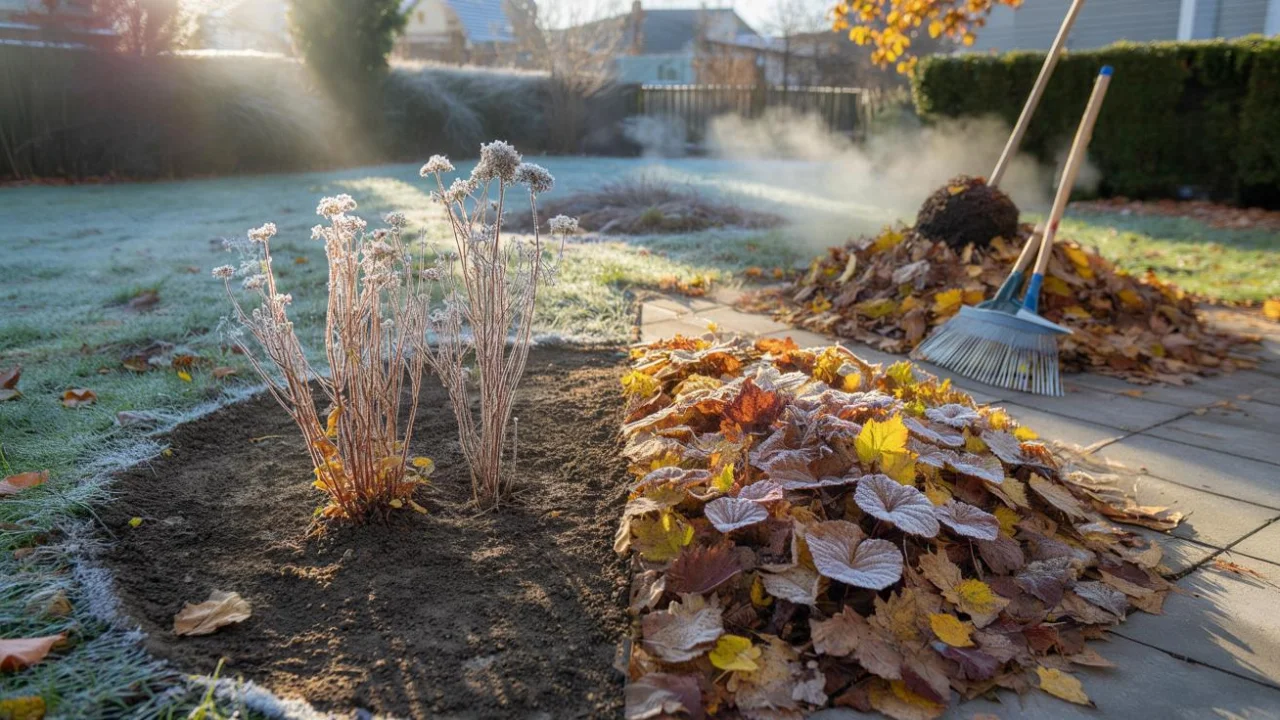
Are you watching your carefully tended plants turn black and lifeless every winter, despite your best efforts? Have you spent countless hours raking every fallen leaf into bags, only to see your garden suffer through another brutal freeze? What if the very “waste” you’ve been throwing away could be the key to protecting your plants from winter’s worst damage?
A growing revolution in winter gardening is changing how thousands of gardeners approach the cold months. Instead of creating pristine, bare beds, smart gardeners are discovering that leaf mulch – the very material they once hauled to the curb – provides the ultimate winter protection for vulnerable plants.
This shift represents more than just a change in maintenance routines. It’s a fundamental rethinking of how natural systems work and how we can harness these processes to create more resilient gardens. The results speak for themselves: gardens using natural leaf protection consistently outperform traditional “clean” approaches in plant survival rates, spring recovery speed, and long-term soil health.
| Winter Garden Approach | Plant Survival Rate | Spring Recovery Time | Annual Soil Amendment Cost |
|---|---|---|---|
| Traditional “Clean” Garden | 60-70% | 6-8 weeks | $150-300 |
| Leaf Mulch Protection | 85-95% | 2-3 weeks | $25-50 |
Garden Types Most Vulnerable Without Winter Protection
The impact of switching to leaf mulch varies dramatically depending on your garden situation. Understanding which garden types benefit most can help prioritize your winter protection efforts and maximize the return on your time investment.
- Urban gardens with exposed positions and wind tunnels between buildings face constant temperature fluctuations and drying winds
- Newly established landscapes with young plants and shallow root systems lack the deep anchoring that provides natural insulation
- Perennial borders containing borderline-hardy plants and ornamental grasses require extra protection to survive marginal conditions
- Vegetable gardens left bare after harvest in regions with freeze-thaw cycles suffer severe soil structure damage without protection
- Container gardens and raised beds that freeze faster than ground-level soil due to increased surface exposure
- Gardens in transitional hardiness zones where temperatures fluctuate wildly, creating the most stressful conditions for plant survival
- Sloped gardens where winter rain and snowmelt cause significant soil erosion without protective covering
- Gardens with heavy clay soils that become waterlogged and then freeze solid without organic matter to improve drainage
Each of these situations creates unique stresses that natural leaf protection addresses through multiple mechanisms. The key is understanding that winter plant damage rarely comes from cold alone – it’s the combination of temperature swings, moisture loss, and physical damage that proves lethal.
How Natural Insulation Transforms Winter Plant Survival
The science behind leaf mulch protection reveals why this simple change produces such dramatic results. When temperatures plummet, bare soil experiences the full brunt of thermal shock – imagine standing outside in -5°C wearing only a t-shirt. The physiological stress on plant roots mirrors this human discomfort, but plants can’t simply move indoors when conditions become unbearable.
Leaf layers create a complex microenvironment that functions like a sophisticated climate control system. The irregular shapes and sizes of fallen leaves create countless air pockets, each acting as a tiny insulation chamber. This structure doesn’t just slow heat transfer – it creates gradual temperature transitions that allow plants to acclimate rather than shock.
- Air pockets in loose leaf layers trap warm air and slow heat transfer, maintaining soil temperatures 5-8°C warmer than exposed ground
- Gradual temperature changes prevent cellular damage from rapid freeze-thaw cycles that can rupture plant tissues
- Moisture retention prevents physiological drought during winter wind exposure, when plants can literally freeze-dry
- Root protection maintains plant energy reserves for spring recovery by preventing root damage and death
- Surface protection prevents soil compaction from heavy winter precipitation, maintaining proper drainage and aeration
- Organic matter decomposition generates low levels of heat through microbial activity, creating additional warming
- pH buffering from decomposing leaves helps maintain optimal soil chemistry throughout the winter months
| Soil Condition | Temperature Swing | Moisture Loss | Root Damage Risk |
|---|---|---|---|
| Bare Soil | 20-25°C daily | 40-60% | High |
| 5cm Leaf Mulch | 8-12°C daily | 15-25% | Low |
| 10cm Leaf Mulch | 5-8°C daily | 10-15% | Very Low |
“The difference between a mulched and unmulched garden in winter is like the difference between wearing a down jacket and going outside naked,” says a horticultural consultant who has studied winter plant protection for over two decades. “But beyond just warmth, we’re providing a complete life support system that maintains all the conditions plants need to survive dormancy.”
Economic Impact Of Switching To Natural Winter Protection
Beyond plant survival, the financial implications of using leaf mulch instead of discarding organic matter create compelling long-term savings. Traditional winter garden cleanup typically involves multiple trips to disposal sites, purchasing replacement plants each spring, and buying commercial soil amendments. When you calculate the true cost per square meter, the conventional approach becomes surprisingly expensive.
Gardens protected with leaf mulch experience a fundamental shift in their nutrient cycle. Instead of exporting valuable minerals that trees spent months extracting from deep soil layers, these nutrients slowly release back into the garden ecosystem throughout winter and spring. A mature oak tree, for example, can cycle over 150 kilograms of nutrients annually through its leaves – nutrients that would otherwise require purchased fertilizers to replace.
The hidden costs of the “clean garden” approach extend beyond immediate expenses. Exposed soil loses structure through freeze-thaw action and heavy rain impact. This compaction reduces drainage and root penetration, creating a cascade of problems that require expensive remediation. Poor drainage leads to fungal diseases, compacted soil requires mechanical cultivation, and damaged soil structure necessitates costly organic amendments.
Consider the labor savings as well. Instead of spending weekends bagging leaves for disposal, then later purchasing and spreading commercial mulch, the natural approach eliminates both tasks. The time savings can be redirected to more productive garden activities or simply enjoyed as leisure time.
“I’ve seen gardeners cut their spring plant replacement costs by 80% simply by keeping their fall leaves on site instead of bagging them,” notes a landscape design specialist who works with residential clients. “The transformation happens gradually, but after two or three seasons, the soil improvement becomes so obvious that neighbors start asking for advice.”
The Biological Advantage Of Natural Decomposition
What makes leaf mulch superior to purchased alternatives extends beyond cost considerations into the realm of biological activity. Fresh leaves contain the complete spectrum of nutrients that trees extract from deep soil layers – minerals that surface roots can’t access but fallen foliage delivers directly to garden plants.
The decomposition process creates a feeding frenzy for beneficial soil organisms. Earthworms multiply rapidly under leaf cover, their castings enriching soil far beyond what any commercial fertilizer can provide. Mycorrhizal fungi, essential partners for most garden plants, thrive in the organic matter-rich environment that decomposing leaves create.
This biological activity doesn’t pause during winter – it simply slows down. Even in freezing temperatures, microbial processes continue at reduced rates, steadily converting organic matter into plant-available nutrients. By spring, the soil beneath leaf mulch teems with life, ready to support vigorous plant growth from the moment temperatures warm.
When Leaf Materials Become Garden Hazards
Question: Can all fallen leaves be used safely as winter mulch?
No, diseased foliage should never be used as mulch around healthy plants. Also avoid walnut leaves near sensitive plants due to natural herbicides.
Question: How thick should leaf mulch be applied for winter protection?
Apply 5-10cm around perennials, keeping material away from plant crowns and stems to prevent moisture buildup and pest harboring.
Question: What’s the best way to prevent leaf mulch from blowing away?
Shred leaves with a mower first, then lightly water the applied layer. Alternatively, cover with netting or branches in windy areas.
Question: Should leaf mulch be removed in spring?
Pull mulch back from emerging plants but leave most material to continue decomposing. This maintains soil benefits while preventing pest issues.
Question: Can leaf mulch attract pests to the garden?
Properly applied leaf mulch actually supports beneficial predators that control garden pests. Problems only arise when leaves are piled too thickly or against plant stems.
Question: How do different leaf types affect mulching results?
Oak and maple leaves decompose slowly, providing long-lasting protection. Thinner leaves like birch break down quickly, offering fast nutrient release but shorter coverage.
“The transformation I see in gardens that embrace natural mulching is remarkable – not just in plant health, but in the entire ecosystem that develops,” explains a permaculture designer who specializes in sustainable garden systems. “After a few seasons, these gardens become self-sustaining in ways that conventional landscapes simply cannot match.”
Start Your Winter Protection Strategy This Season
The evidence is clear: your fallen leaves aren’t waste – they’re a premium winter protection system that’s been hiding in plain sight. This autumn, instead of filling bags for collection, rake those leaves around your vulnerable plants and watch your garden thrive through the coldest months.
Begin by identifying your most frost-sensitive areas and applying a 5-10cm layer of leaf mulch around perennials and shrubs. Keep the material pulled back from plant stems to prevent moisture buildup, and remember that shredded leaves stay in place better than whole ones. Start with small sections to observe results, then expand the approach as you gain confidence in the process.
The timing of application matters as well. Apply leaf protection after the first hard frost when plants have begun dormancy, but before severe weather arrives. This ensures maximum protection during the most stressful period while avoiding interference with the natural dormancy process.
Your plants will thank you come spring – and so will your wallet when you’re not replacing frost-damaged specimens or buying expensive soil amendments. The solution to winter garden survival was literally falling from your trees all along, waiting for you to recognize its value and put it to work where it belongs: protecting and nourishing your garden ecosystem.