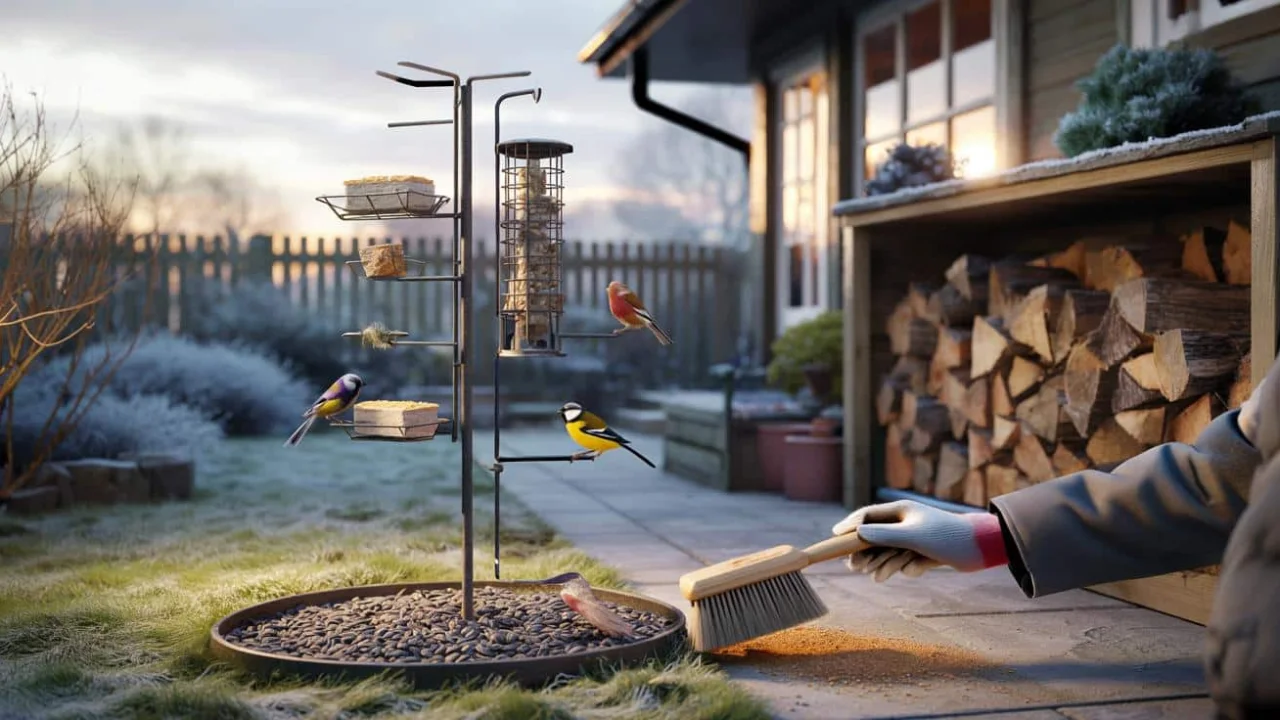
Sarah noticed the first droppings near her bird feeder on a Tuesday morning in January. What started as a well-intentioned effort to help sparrows and robins through the harsh winter had quietly transformed her suburban backyard into a rodent highway. Despite her careful daily ritual of filling the feeder, she was unknowingly hosting nightly visitors with whiskers and long tails. Her story mirrors that of countless homeowners who discover that feeding birds without the right precautions can create an entirely different problem.
The challenge isn’t with bird feeding itself, but with overlooking the details that separate a bird sanctuary from a rat buffet. When temperatures drop, every creature seeks easy calories, and poorly positioned or maintained feeders become beacons for opportunistic rodents. Understanding how to deploy rat proof bird feeders effectively can preserve your bird-watching joy while keeping unwanted guests at bay.
“Most people think rats appear from nowhere, but they’re actually following a clear trail of abundance and easy access,” says a wildlife management consultant. “The same feeder that saves birds during cold snaps can become a health hazard if basic protective measures are ignored.”
Critical Elements That Transform Regular Feeders Into Fortresses
| Protection Factor | Minimum Standard | Impact Level |
|---|---|---|
| Feeder Height | 1.5-1.6 meters from ground | High |
| Clear Zone Distance | 2 meters from launch points | Critical |
| Support Material | Smooth metal pole | Medium |
| Baffle Installation | Dome or cone guard | High |
| Daily Ground Cleanup | 2-minute evening routine | Critical |
Specific Situations Where Standard Bird Feeders Fail
Understanding when your current setup becomes vulnerable helps identify necessary upgrades:
- If you hang feeders from tree branches within jumping distance of fences, then rats can easily leap across to reach the food supply
- If you use rough wooden posts or thick rope supports, then rodents gain climbing assistance that smooth metal poles would eliminate
- If you fill feeders with mixed seed containing wheat and large grains, then birds will scatter unwanted pieces that become ground-level rat attractions
- If you leave pet food bowls outside overnight, then you create secondary feeding stations that complement bird feeder access
- If you position feeders near wood piles or compost heaps, then rats establish convenient nesting areas close to food sources
Strategic Modifications That Block Rodent Access Routes
Height alone doesn’t guarantee protection. Rats jump surprisingly well and can clear distances that catch homeowners off guard. The key lies in creating multiple barriers that force rodents to work harder than the reward justifies.
Positioning requires military-style thinking. Survey your yard for every possible launch point: fences, garden furniture, shrub branches, and decorative elements. Each potential jumping platform within two meters becomes a security weakness. Moving feeders to create clear zones eliminates most acrobatic approaches.
Support structures make the difference between easy climbing and frustrated retreat. Smooth metal poles offer no grip compared to textured wood or thick rope. Adding dome-shaped baffles below feeders creates sliding barriers that even persistent climbers cannot overcome.
Food selection impacts ground spillage dramatically. Cheap mixed seed often contains filler grains that small birds reject, creating carpet-like waste layers. Switching to hulled sunflower hearts eliminates shells entirely, while quality fat blocks in rigid holders shed fewer crumbs than mesh-wrapped alternatives.
“The most effective rat deterrent isn’t poison or traps – it’s simply removing the incentive to visit in the first place,” explains a pest management specialist. “Clean up the spillage, eliminate easy climbing routes, and most rodents will search for easier targets.”
Measurable Results From Protective Modifications
| Intervention Type | Effort Required | Effectiveness Rating | Cost Range |
|---|---|---|---|
| Daily ground cleanup | 2 minutes | 85% | Free |
| Metal pole upgrade | 30 minutes setup | 70% | £15-40 |
| Baffle installation | 15 minutes | 80% | £10-25 |
| Premium seed switch | Ongoing | 65% | +20% food cost |
| Complete system overhaul | 2-3 hours | 95% | £50-150 |
Real-World Applications Show Dramatic Transformations
A Manchester homeowner discovered rat droppings near her bird table after months of peaceful feeding. Within one week of installing a metal pole with baffle, switching to sunflower hearts, and implementing evening cleanup, nocturnal visitors disappeared while daytime bird activity actually increased.
Urban gardens face unique challenges where space limitations force creative solutions. Apartment balcony feeders benefit from corner positioning that maximizes clear zones, while small courtyards require extra attention to eliminate nearby climbing opportunities.
Suburban properties with chicken coops represent high-risk scenarios where multiple food sources compound attraction. Addressing spilled poultry grain alongside wild bird feeding creates comprehensive protection that tackles root causes rather than symptoms.
The health implications extend beyond property damage. Rat contamination spreads diseases through droppings and urine, affecting surfaces where children and pets play. Early intervention through rat proof bird feeders prevents escalation into more serious infestations requiring professional treatment.
Seasonal patterns influence rodent behavior significantly. Winter desperation drives more aggressive food-seeking, while spring breeding seasons increase territorial establishment. Understanding these cycles helps time protective upgrades for maximum impact.
Common Questions About Rodent-Resistant Bird Feeding
Will raising my feeder height really stop determined rats?
Height alone isn’t enough – you need both elevation and clear zones to eliminate jumping approaches.
How often should I clean the area under my bird feeder?
Daily evening cleanup takes just two minutes but dramatically reduces overnight rodent interest.
Do expensive “squirrel-proof” feeders also work against rats?
Many squirrel barriers effectively deter rats, especially smooth metal baffles and weight-activated mechanisms.
What’s the most cost-effective upgrade for immediate protection?
Installing a simple dome baffle costs under £15 and provides 80% effectiveness improvement.
Should I stop feeding birds entirely if I spot rat evidence?
Temporary feeding suspension while implementing protective measures is wiser than permanent abandonment.
Can the wrong bird food actually attract more rodents?
Mixed seed with wheat and large grains creates excessive spillage that rats prefer over quality alternatives.
“The goal isn’t to eliminate every possible food source – that’s impossible and unnecessary,” notes a garden wildlife expert. “Smart positioning and basic hygiene create enough inconvenience that rats typically move on to easier opportunities elsewhere.”
Essential Takeaways For Successful Bird Feeding
Implementing rat proof bird feeders doesn’t require expensive equipment or complex installations. Success comes from understanding rodent behavior and creating systematic barriers that make your garden less appealing than neighboring alternatives.
The combination of proper positioning, daily maintenance, and quality food selection addresses root causes rather than symptoms. This comprehensive approach protects both your property and the birds you’re trying to help, creating a sustainable feeding program that benefits wildlife without compromising household safety.
Key protective elements include:
- Strategic feeder placement with clear zones and smooth metal supports that eliminate climbing opportunities
- Daily ground cleanup routines that remove spillage before nightfall when rodent activity peaks
- Premium food choices that reduce waste while providing complete nutrition for target bird species