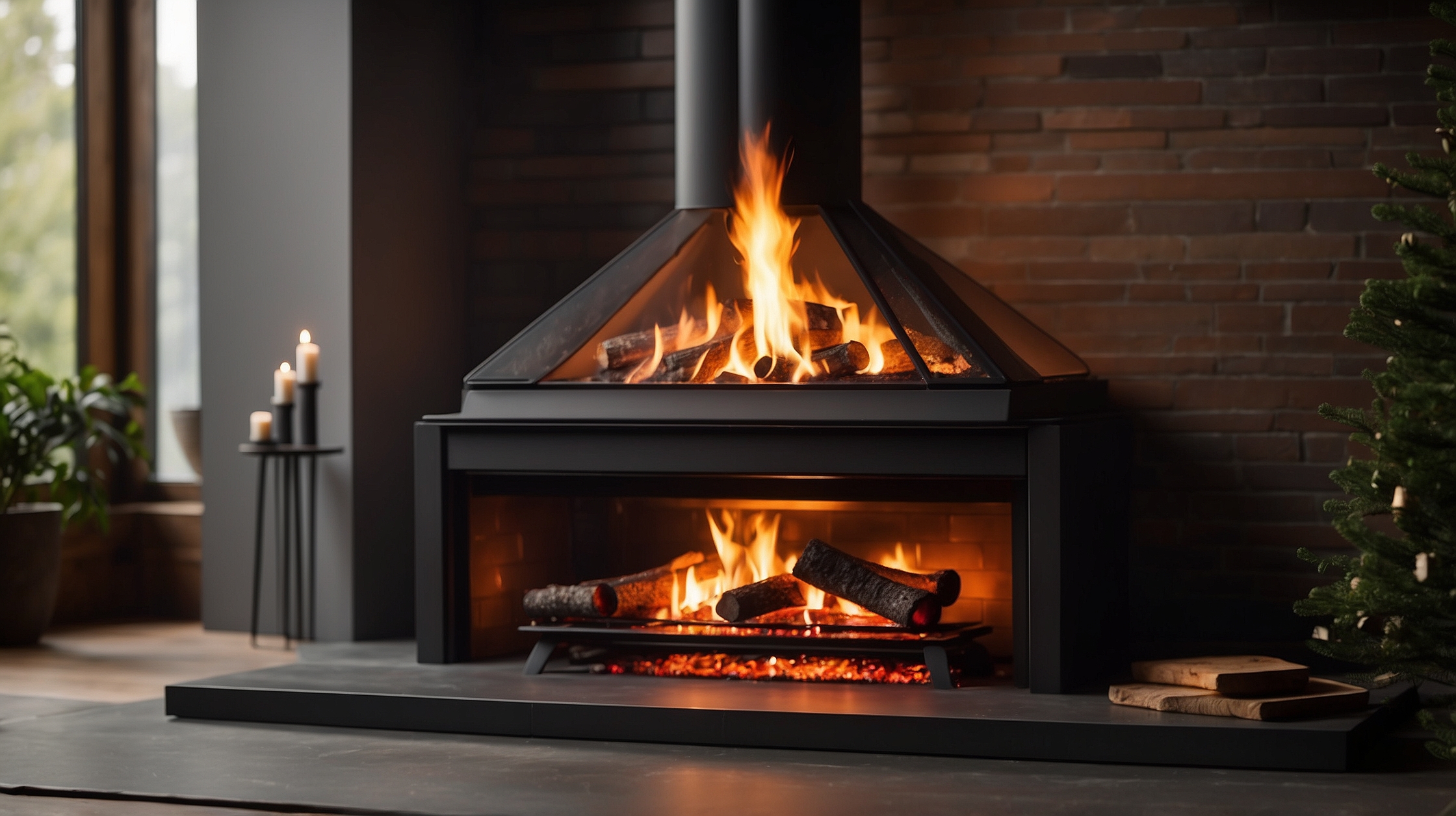
As dusk settles over the peaceful neighborhoods of the British countryside, a familiar scent begins to waft through the air—the warm, smoky aroma of a crackling wood fire. For decades, traditional log-burning stoves and open fireplaces have been as quintessentially British as tea and rainy afternoons, symbolizing comfort, nostalgia, and sustainable living. Yet, under newly announced legislation, that comforting crackle could become a far less common sound.
This week, the government unveiled significant changes to the rules surrounding wood burners and open fireplaces, impacting both urban and rural homeowners. As environmental concerns and air quality take precedence, the new regulations seek to limit harmful emissions without completely extinguishing the public’s cherished hearth culture. For many, however, the implications are immediate and potentially costly.
If you rely on wood-burning for heat, or simply enjoy the aesthetics of a fireplace in the winter months, it’s vital to understand how these new restrictions might affect your home and lifestyle. Here’s a breakdown of what changed, who it impacts, and what steps you may need to take next.
Key changes to fireplace and wood-burning rules
| Change | Details |
|---|---|
| Tightened Emission Limits | New DEFRA-approved stoves must now emit less than 2.5g/hr of PM2.5 particles |
| Ban in Smoke Control Areas | Open fires and older wood burners are now prohibited unless exemptions apply |
| Certified Appliances Required | Only Ecodesign-compliant stoves allowed for installation |
| Stricter Fuel Standards | Wet wood and house coal no longer allowed for general sale |
| Fines Introduced | Up to £300 on-the-spot fines or possible court prosecution for non-compliance |
What changed this year
The UK government has doubled down on its commitment to combat household air pollution by introducing **tighter regulations on wood-burning stoves and open fireplaces**. A key part of the Clean Air Strategy, the changes enforce **new emissions guidelines**, requiring any newly purchased stove to comply with DEFRA’s Ecodesign standards—markedly stricter than before.
Burning solid fuel contributes around 38% of the UK’s particulate matter (PM2.5) emissions, a key factor in respiratory issues. To help mitigate these effects, the new rules now **require any stove used in a smoke control area to be DEFRA-exempt**. This includes much of Greater London and other urban settings previously tolerant of more polluting models.
Who qualifies and why it matters
This policy shift affects a wide cross-section of households—especially those using solid fuel combustion as a primary or supplementary heat source. The rule changes primarily apply to anyone living in designated smoke control areas, usually cities or densely populated towns, where air quality thresholds are frequently breached.
Rural homeowners may think they are spared, but anyone looking to install or replace a solid fuel stove must still comply with **Ecodesign 2022 regulations**, regardless of location. Additionally, **sellers and suppliers** of fuels and stoves now bear increased responsibility for ensuring the products meet certification standards.
This matters not only for health, but also for property compliance. Tenants and landlords could find themselves in breach of environmental codes, with insurance implications and long-term property value considerations.
Which stoves and fuels are still allowed
To maintain compliance, only stoves stamped with the “Ecodesign Ready” mark can be sold and installed legally. These appliances produce significantly fewer emissions and burn more efficiently, with many models tested and certified by independent environmental controls.
Wet wood—defined as having a moisture content above 20%—as well as traditional coal, are now **banned from general sale**. Retailers must instead offer “Ready to Burn” certified wood and smokeless fuel alternatives. These not only reduce emissions but improve stove efficiency and reduce creosote buildup within chimneys, minimizing fire risk.
How these changes impact property owners
For homeowners, the most immediate impact is financial. Replacing older stoves with compliant models can cost **between £1,000 and £3,000**, with additional installation and certification fees. Retrofitting fireplaces or upgrading chimney systems may also be necessary to meet ventilation standards.
From a resale point of view, homes equipped with non-compliant wood-burners may see a dip in market value until upgraded. Property surveys now actively assess solid fuel appliance adherence, particularly in urban zones under tighter scrutiny.
Landlords must ensure any rental properties equipped with solid fuel stoves or fireplaces are up to standard, especially as local authorities ramp up enforcement programs and inspections.
Winners and losers of the new regulations
| Winners | Losers |
|---|---|
| Eco-conscious homeowners | Owners of older, non-compliant stoves |
| Manufacturers of Ecodesign stoves | Small fuel retailers selling wet wood or coal |
| Urban residents affected by air pollution | Landlords facing upgrade costs |
| Service providers offering compliance checks | DIY renovators unaware of the rule change |
How to stay compliant step-by-step
1. **Check your appliance:** Determine if your current wood-burning stove or fireplace is compliant by checking for a DEFRA-Exempt label or Ecodesign certification.
2. **Verify fuel source:** Purchase wood with the “Ready to Burn” logo and avoid coal entirely. Check packaging and moisture content before buying bulk quantities from local suppliers.
3. **Consult with certified installers:** If you’re planning an installation or upgrade, only use HETAS-registered professionals trained to fit compliant systems legally and safely.
4. **Maintain regularly:** Annual chimney sweeps and proper maintenance ensure continued safe use and might be required for property insurance purposes.
5. **Stay informed on local area rules:** Smoke control areas have local variances. Consult your council website or environmental department to confirm whether your home is impacted directly.
“These changes strike a necessary balance between preserving rural traditions and protecting urban air quality, but families should not be caught off guard by them.”
— Sarah Ellis, Environmental Legal Analyst
“Certified Ecodesign stoves can reduce particulate emissions by as much as 80% compared to older models, making them not just cleaner—but more economical too.”
— Tom Beattie, Stove Manufacturer Liaison
What to consider before making changes
If your current setup is already compliant, no immediate action is required. However, property owners renovating or expanding should take the opportunity to ensure all future modifications meet modern environmental and legal standards. Consider ongoing maintenance costs and fuel availability when planning a replacement or first-time installation.
Keep in mind that improved energy efficiency, rising fuel costs, and evolving public sentiment around air quality may mean these steps save more than they cost in the long run.
Frequently Asked Questions
Can I still use my existing wood-burning stove?
If it was installed before the new rule and is used outside a smoke control area, probably yes. But it’s advisable to have it inspected for safety and emissions compliance.
What is a smoke control area?
These are zones designated by local councils where air pollution levels are high enough to restrict certain types of fuel and combustion appliances.
Are open fires completely banned?
They are banned in smoke control areas unless exempt. Outside those areas, restrictions still apply regarding what fuel can be burned.
How much will it cost to replace my old stove?
Depending on brand, installation complexity, and chimney alterations, costs typically range from £1,000 to £3,000.
What fuels are now banned?
Wet wood with a moisture content over 20%, and traditional house coal are banned from general sale.
Do the new rules apply to rural properties?
Yes, the Ecodesign regulation applies nationally, even if smoke control area restrictions may not.
Where can I find compliant stoves?
Look for products certified “Ecodesign Ready” with verifiable DEFRA exemption status from reputable suppliers.
Can I be fined for using the wrong fuel?
Yes. Fines for non-compliance can reach £300, with more severe penalties possible if taken to court.