| Key Factor | Traditional View | Current Reality |
|---|---|---|
| Social Status | “Poor people’s fish” | Smart, sustainable choice |
| Safety Concerns | Overlooked | Lower mercury than large fish |
| Nutritional Value | Underestimated | Omega-3, vitamin D, calcium powerhouse |
| Price Point | Stigmatized as cheap | Budget-friendly protein solution |
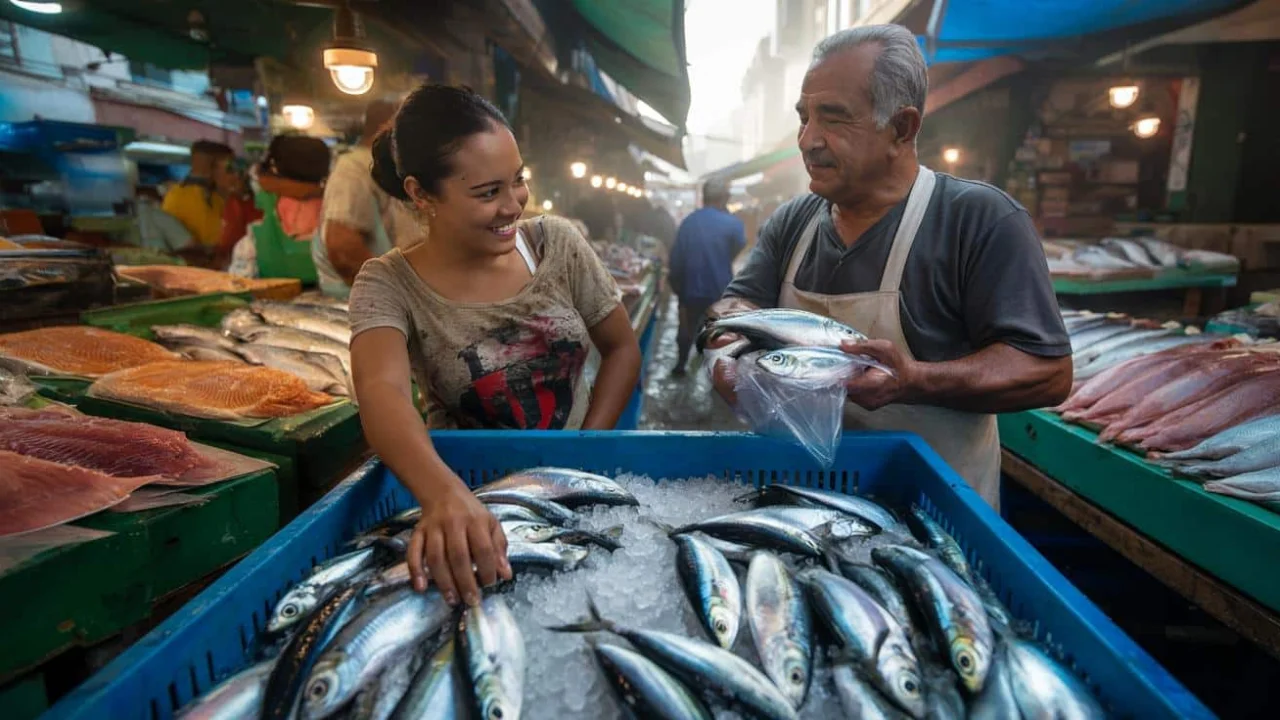
Brazil’s fish markets tell a remarkable story of social transformation. Where sardine crates once sat half-empty by mid-morning, vendors now struggle to keep up with demand. The humble sardinha is experiencing an unprecedented revival, shedding decades of stigma as families rediscover what nutritionists have long known: this affordable fish delivers exceptional nutritional value.
The sardine nutrition comeback represents more than changing taste preferences. It reflects a fundamental shift in how Brazilians balance health consciousness with economic reality, choosing substance over status symbols.
From Market Floors to Modern Kitchens
Walk through Belém’s fish market at dawn and witness the transformation firsthand. Young professionals stuff kilograms of sardines into shopping bags, laughing that “salmon is for Instagram, sardine is for dinner.” This scene repeats across Brazilian cities as consumers abandon expensive, imported fish for local alternatives.
The numbers paint a compelling picture. Sardines cost roughly 60-70% less than salmon while delivering comparable omega-3 fatty acids. A single serving provides over 300mg of omega-3s, substantial vitamin D, and complete protein. For families stretched by inflation, the math is simple: better nutrition per real spent.
Safety concerns accelerated this shift. Between river contamination scandals and mercury warnings about large predatory fish, Brazilians grew suspicious of their fancy fillets. WhatsApp groups circulated photos of fish kills along polluted coastlines. Headlines about heavy metal accumulation in tuna and swordfish spread faster than any marketing campaign.
Who Benefits Most from This Nutritional Revolution
The sardine nutrition comeback particularly appeals to specific demographics:
- ✓ Budget-conscious families seeking affordable protein sources
- ✓ Health-conscious consumers avoiding mercury contamination
- ✓ Parents wanting calcium-rich foods for growing children
- ✓ Elderly individuals needing easily digestible omega-3s
- ✓ Environmentally aware shoppers choosing sustainable options
- ✓ Urban professionals tired of expensive, imported alternatives
“People ask me for the ‘superfood’ of the moment. Açai, chia, imported salmon… and I keep telling them: your grandmother’s sardine is the real superfood. It’s local, accessible, and your body actually needs what it offers,” says a nutritionist from São Paulo.
Scientific Evidence Behind the Sardine Renaissance
| Nutritional Component | Sardine Content (per 100g) | Comparison to Salmon |
|---|---|---|
| Omega-3 fatty acids | 1.4g | Nearly equivalent |
| Protein | 25g | 20% higher |
| Vitamin D | 272 IU | Comparable levels |
| Calcium | 382mg | 10x higher (with bones) |
Brazilian universities began highlighting sardines in research interviews. Cardiologists praised their heart-protective properties. Dietitians created Instagram-worthy recipes that transformed the fish’s dowdy reputation.
Practical Steps for Sardine Success
Home cooks are revolutionizing sardine preparation through simple techniques:
- ✓ Buy bright-eyed fish with firm flesh and sea-fresh smell
- ✓ Cook quickly using high heat: roasting, grilling, or pan-searing
- ✓ Season generously with lemon, garlic, and fresh herbs
- ✓ Pair with rice, salads, and farofa for complete meals
- ✓ Use leftovers in pasta dishes or tapioca fillings
- ✓ Combine fresh and canned sardines for budget flexibility
The transformation happens in 15 minutes: wash whole sardines, season with salt, lemon, garlic and olive oil, then roast in a hot oven until the skin crisps and flesh stays juicy. Bones soften enough to eat, providing crucial calcium often missing from modern diets.
“This isn’t about chef secrets or complicated techniques. Small, concrete gestures turn a stigmatized fish into a weekly ally that actually nourishes families,” explains a culinary nutritionist from Rio de Janeiro.
Overcoming Traditional Resistance
Many Brazilians claim to “hate sardines,” but what they actually hate are childhood memories of overcooked, smelly fish. Fresh sardines, properly handled and quickly cooked, bear little resemblance to those unfortunate experiences.
Success requires freshness and technique. Choose fish with shining eyes, bright red gills, and ocean-clean smell. Cook the same day or freeze immediately. Dry thoroughly before cooking, use high heat, and balance strong flavors with citrus, herbs, and aromatics.
Economic and Environmental Implications
The sardine nutrition comeback extends beyond individual health benefits. When managed sustainably, sardines reproduce quickly and feed low on the food chain, making them environmentally preferable to many larger species.
Economically, the shift reduces dependence on expensive imports while supporting local fishing communities. Families report saving 40-50% on protein costs while improving nutritional intake.
Social media amplifies this movement as new sardine enthusiasts share preparation tips and weekly meal plans. The fish that once symbolized economic hardship now represents smart, conscious consumption.
Frequently Asked Questions
Is fresh sardine really safer than larger fish like tuna or swordfish?
Yes, generally. Because sardines are small and live fewer years, they accumulate fewer heavy metals than big predatory fish.
Are canned sardines as healthy as fresh ones?
They’re different but still excellent. Canned sardines retain omega-3, protein and calcium, especially if you eat the bones.
What’s the best way to reduce the “strong” sardine smell at home?
Cook fast with plenty of lemon, garlic, onion and fresh herbs. Fresh fish smells far less than fish that’s been sitting around.
Can children eat sardines regularly?
Yes, many nutritionists encourage it. Soft bones provide calcium, and omega-3s support brain development for growing kids.
Is sardine a sustainable option for the future?
When fisheries are well managed, sardines tend to be more sustainable than larger fish since they reproduce quickly.
Why This Matters for Brazil’s Future
The sardine renaissance reflects Brazil’s broader recalibration of values. As economic pressures mount and health consciousness grows, families are choosing substance over status symbols. This small fish represents a larger truth: real nutrition often comes in humble packages.
For a nation grappling with inflation and diet-related health issues, the sardine nutrition comeback offers a practical solution. It proves that eating well doesn’t require expensive ingredients or complicated preparation—just wisdom to recognize value where others see stigma.
This shift toward sardines signals a maturing food culture that prioritizes health, sustainability, and economic sense over social pretensions. In choosing sardines, Brazilians are rediscovering an essential truth: the most nourishing foods often swim closest to home.