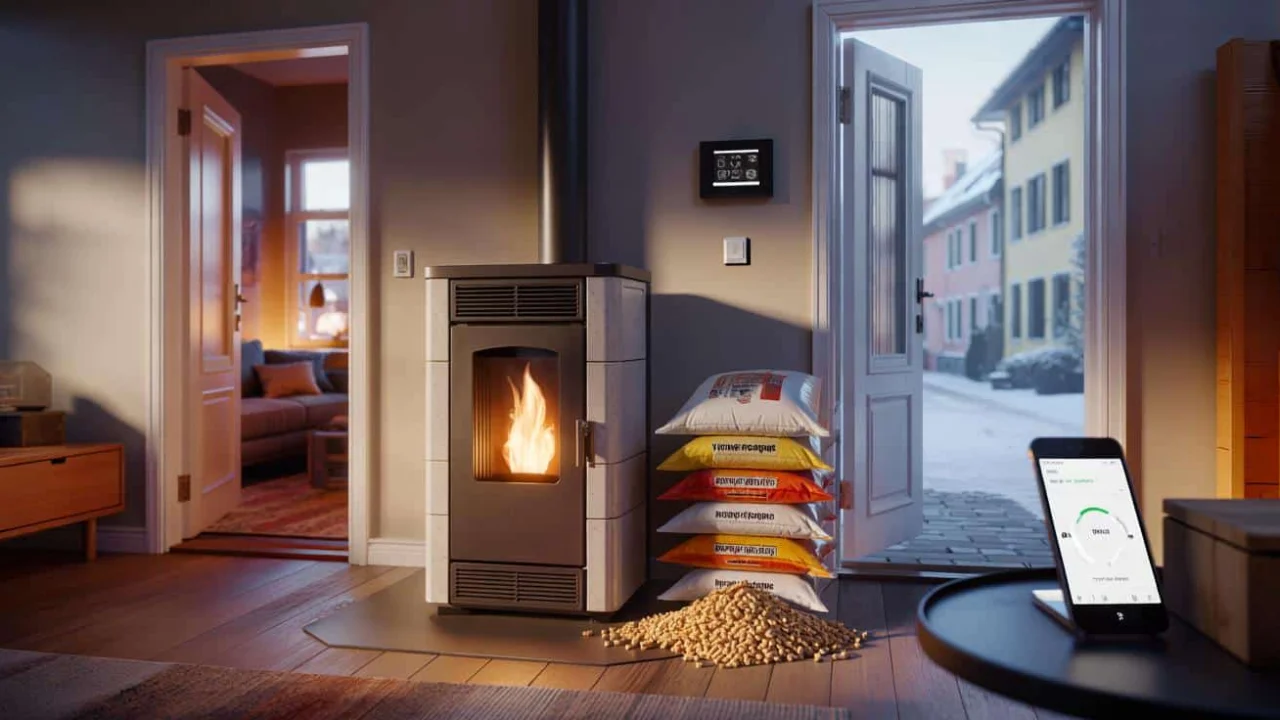
The harsh reality hits hard: that cozy pellet stove you installed to save money is now eating through your budget faster than expected. Winter heating bills in 2026 are forcing thousands of European households to make difficult choices, and wood pellets—once the champion of affordable warmth—have joined the ranks of expensive energy sources.
As temperatures drop and pellet prices soar, families across the continent are discovering that their green heating solution has become a financial burden. The romantic image of sustainable wood heat is quickly overshadowed by the stress of watching fuel costs spiral upward. Yet the answer isn’t to abandon your pellet stove or shiver through winter—it’s to master the art of burning smarter, not harder.
This isn’t just about pinching pennies anymore. With supply chains still fragile and demand outstripping availability, every kilogram of pellets wasted is money thrown into the fire—literally. The households that thrive in 2026 will be those who learn to cut pellet use without sacrificing comfort, turning their heating systems into precision instruments rather than fuel-hungry monsters.
Why Pellet Efficiency Became Critical Overnight
The pellet market transformation caught most consumers off-guard. What started as Europe’s green heating revolution has evolved into a premium fuel market where prices fluctuate like crude oil. Pellet stoves that once promised heating independence now create a different kind of dependency—one measured in euros per bag rather than environmental benefits.
Supply disruptions, increased transportation costs, and surging demand have created perfect storm conditions. Pellet dealers report customers calling multiple suppliers to secure winter stocks, while prices vary dramatically between regions. The psychological shift is profound: households that confidently filled their storage rooms with pellets now carefully ration their supplies.
The most concerning trend? Many families discover too late that their heating systems are inefficient fuel burners. Factory settings, poor maintenance, and low-quality pellets conspire to waste up to 40% of potential heat output. Learning to cut pellet use becomes essential survival knowledge for winter 2026.
Optimization Strategies That Deliver Immediate Results
The fastest path to pellet savings lies in understanding your stove’s actual performance versus its potential. Most pellet stoves operate far below their efficiency ceiling, burning through bags while delivering mediocre heat. These adjustments require no technical expertise but can reduce consumption by 15-25% within days.
- Power Level Calibration: Reduce power settings by one level and monitor room temperature for 48 hours. Most homes are over-heated, and lowering the target by 2-3°C dramatically reduces fuel consumption without noticeable comfort loss.
- Burn Cycle Optimization: Longer, steady burns consume less fuel than frequent start-stop cycles. Program your stove to maintain consistent temperatures rather than rapid heating followed by cooling periods.
- Air Flow Fine-Tuning: Adjust combustion air to achieve clean, stable flames. Orange, smoky flames indicate incomplete burning and wasted pellets, while tall, aggressive flames push heat up the chimney.
- Heat Distribution Enhancement: Use ceiling fans on low speed to circulate warm air throughout the space. Strategic placement of small fans can increase effective heating area by 30-40%.
- Thermal Mass Integration: Place ceramic tiles or bricks around the stove to absorb and slowly release heat. This simple modification extends heating cycles and reduces pellet consumption during mild weather.
| Optimization Method | Difficulty Level | Potential Savings | Implementation Time |
|---|---|---|---|
| Power Level Adjustment | Easy | 10-20% | 5 minutes |
| Air Flow Calibration | Moderate | 8-15% | 30 minutes |
| Heat Distribution Setup | Easy | 12-18% | 2 hours |
| Thermal Mass Addition | Moderate | 5-12% | 4-6 hours |
| Professional Tune-Up | Professional | 15-25% | Half day |
The Hidden Science of Pellet Quality
Premium pellets cost more upfront but deliver superior heat output and cleaner burning characteristics. The mathematics of pellet quality often surprise consumers: spending 20% more on high-grade pellets frequently results in 25-30% longer burn times and significantly less ash production.
“I’ve tested pellets from fifteen different suppliers across three countries. The variation in heat content and burn characteristics is staggering. Cheap pellets might save you two euros per bag, but they’ll cost you fifty euros in extra fuel consumption over a typical winter.”
— Dr. Andreas Mueller, Biomass Energy Research Institute, Vienna
Quality indicators extend beyond certification labels. Visual inspection reveals moisture content through color consistency, while dust levels indicate manufacturing precision. High-moisture pellets hiss and produce steam, wasting energy in water evaporation rather than heat generation.
Storage conditions dramatically affect pellet performance. Bags stored in damp basements or unheated garages absorb moisture, reducing heat output by up to 15%. Proper storage in dry, ventilated spaces maintains pellet integrity and ensures consistent performance throughout the heating season.
Advanced Heat Management Techniques
Professional heating technicians employ sophisticated strategies to maximize pellet efficiency. These techniques, once reserved for commercial installations, are increasingly accessible to residential users willing to invest time in system optimization.
- Zone Heating Strategy: Heat only occupied spaces rather than entire homes. Close vents to unused rooms and focus pellet heat where it’s actually needed.
- Thermal Curtains and Barriers: Use heavy curtains or temporary partitions to create smaller heating zones around the stove area during extreme cold periods.
- Stack Effect Management: Seal air leaks that create drafts, forcing your stove to work harder. Weather stripping and caulking can reduce heat loss by 20-30%.
- Programmable Controls: Upgrade to smart thermostats that learn your schedule and pre-heat spaces efficiently rather than maintaining constant temperatures.
- Heat Recovery Systems: Install simple heat exchangers to capture waste heat from flue gases, redirecting it into living spaces.
Maintenance Practices That Pay Dividends
Neglected pellet stoves become fuel-wasting monsters that burn through supplies while delivering disappointing heat output. Regular maintenance isn’t just about reliability—it’s about maximizing every pellet’s energy potential and ensuring your investment continues to cut pellet use effectively.
“A dirty stove burns dirty. I’ve seen 30% efficiency improvements from simple cleaning and calibration. Most homeowners underestimate how quickly ash and residue affect performance. Monthly cleaning during heating season should be non-negotiable.”
— Maria Rossi, Certified Pellet Stove Technician, Milan
Weekly maintenance routines include emptying ash pans, checking glass cleanliness, and monitoring flame characteristics. Monthly tasks involve deeper cleaning of heat exchangers and inspection of air passages. Annual professional servicing ensures optimal combustion settings and identifies wear patterns before they become expensive repairs.
The relationship between maintenance and fuel consumption is linear: cleaner stoves burn more efficiently. Ash buildup restricts airflow, forcing the system to work harder for the same heat output. Glass doors clouded with residue reduce radiant heat transfer into the room.
Building Thermal Efficiency Around Your Stove
The most efficient pellet stove cannot overcome poor home insulation or thermal management. Creating an integrated heating strategy that supports your stove’s performance multiplies efficiency gains and helps cut pellet use substantially.
Insulation upgrades targeting areas around the stove provide immediate returns. Heavy curtains, thermal blinds, and draft excluders create micro-climates that retain heat longer. Strategic furniture placement can direct heat flow and prevent warm air from escaping through windows or doors.
“Think of your pellet stove as the heart of a thermal system, not a standalone heater. Every surface that absorbs, reflects, or redirects heat affects overall efficiency. Small changes in room arrangement can yield surprising results.”
— Thomas Brennan, Home Energy Consultant, Dublin
Flooring materials significantly impact heat distribution. Hard surfaces like tile or stone absorb and release heat gradually, while carpets insulate floors but reduce heat transfer. Understanding these thermal properties helps optimize room layouts for maximum pellet efficiency.
Smart Technology Integration
Modern pellet stoves benefit from smart home integration that optimizes fuel consumption based on occupancy patterns, weather forecasts, and energy prices. These systems learn household routines and adjust heating schedules to minimize waste while maintaining comfort.
WiFi-enabled thermostats communicate with weather services to pre-adjust heating before temperature drops. Occupancy sensors ensure pellets aren’t wasted heating empty rooms. Some advanced systems even monitor pellet inventory and suggest optimal purchasing schedules based on price trends.
Remote monitoring capabilities allow users to adjust settings from work or travel, preventing unnecessary fuel consumption. Push notifications alert users to maintenance needs before they affect efficiency, ensuring the stove continues to operate at peak performance levels.
Frequently Asked Questions
How much can proper stove adjustment reduce pellet consumption?
Well-calibrated stoves typically consume 15-25% fewer pellets while maintaining identical comfort levels.
Do expensive pellets actually save money in the long run?
Premium pellets often provide 20-30% more heat per kilogram, offsetting higher purchase prices.
How often should I clean my pellet stove for optimal efficiency?
Weekly ash removal and monthly deep cleaning maintain peak performance throughout heating season.
Can room layout changes really affect pellet consumption?
Strategic furniture placement and thermal barriers can improve heat distribution by 20-40%.
Is professional stove calibration worth the cost?
Annual tune-ups typically pay for themselves through reduced fuel consumption within one heating season.
What’s the biggest mistake homeowners make with pellet stoves?
Running stoves on factory settings without adjusting for actual home size and heating needs.
The path forward requires commitment to understanding your heating system as a precision instrument rather than a simple appliance. Every adjustment, every maintenance task, and every quality decision compounds over the heating season. Those who master these techniques will find that learning to cut pellet use transforms from necessity into expertise—ensuring warmth and comfort without breaking the budget.