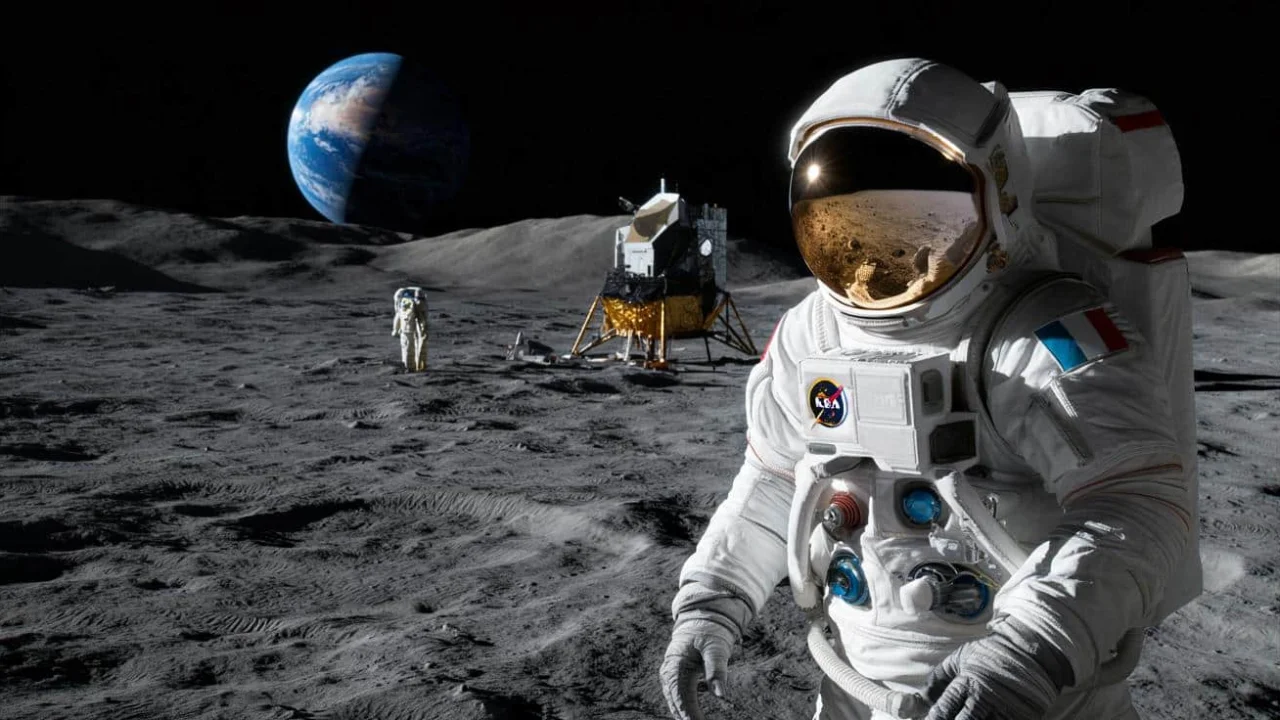
Have you ever wondered what it would feel like to watch a fellow European take their first steps on the Moon? Can you imagine the pride of seeing your nation’s flag represented on humanity’s greatest adventure? Are you ready to witness history as France prepares to make its mark on the lunar surface?
The European Space Agency has quietly secured what may be the most coveted prize in modern space exploration: a guaranteed seat for European astronauts on future lunar missions. Through a strategic hardware-for-access deal with NASA, Europe has positioned itself at the forefront of the artemis moon landing program, with French astronaut Thomas Pesquet emerging as the frontrunner to become the first European to set foot on the Moon.
| Key Development | Details | Timeline |
|---|---|---|
| ESA-NASA Agreement | Hardware exchange for astronaut seats | Active now |
| European Service Module | Critical Orion spacecraft component | Ongoing delivery |
| Gateway Station Elements | I-Hab and Esprit modules | 2028-2030 |
| First European Moon Landing | Likely Thomas Pesquet | 2028-2030 |
Who Benefits From Europe’s Lunar Partnership Deal
The ESA-NASA agreement creates opportunities for multiple groups across Europe and beyond:
- European astronauts gain access to three confirmed Gateway station seats
- French space program secures high-profile representation through experienced personnel
- ESA member nations receive tangible returns on their space program investments
- European aerospace industries expand their role in lunar exploration technology
- International partners benefit from enhanced deep-space mission capabilities
- Future astronaut candidates see clear pathways to lunar mission participation
How Europe’s Hardware Strategy Unlocks Moon Access
Europe’s approach to securing artemis moon landing opportunities represents a masterclass in strategic negotiation. Rather than competing with cash payments, ESA leveraged its engineering expertise to become indispensable to NASA’s lunar ambitions.
- European Service Module provides essential propulsion and life support for Orion spacecraft
- I-Hab habitation module will serve as astronauts’ living quarters at Gateway station
- Esprit module handles fuel storage and communications for lunar operations
- Critical system dependencies give Europe genuine leverage in mission planning
- Hardware contributions translate directly into crew seat allocations
- Barter system allows member nations to track investment returns through tangible outcomes
| Artemis Mission | Primary Goal | European Role | Target Date |
|---|---|---|---|
| Artemis II | Crewed lunar flyby | ESM supply | Late 2025/2026 |
| Artemis III | First south pole landing | Orbital support | 2026/2027 |
| Artemis IV | Gateway I-Hab delivery | ESA crew member | 2028 |
| Artemis V | Enhanced surface operations | Possible surface work | 2030 |
“Without European technology, NASA’s Orion spacecraft cannot reach lunar orbit. That single fact has reshaped the politics of Artemis,” explains a space policy analyst familiar with the negotiations.
Why Thomas Pesquet Leads The French Moon Race
The selection criteria for early lunar missions favor experience over novelty, positioning veteran astronauts like Thomas Pesquet as prime candidates. His extensive International Space Station background includes commander-level responsibilities and proven performance under pressure.
Pesquet’s qualifications extend beyond technical competence. His public visibility and media experience provide European politicians with a recognizable face for their lunar investment. For taxpayer-funded programs requiring public support, this combination of skill and accessibility proves invaluable.
The timeline aligns favorably with Pesquet’s career trajectory. Artemis IV, scheduled for 2028, represents the optimal window for European participation, coinciding with the delivery and installation of Europe’s I-Hab module at Gateway station.
“The earliest lunar missions are seen as high-risk, complex operations that demand deep experience. Veterans bring familiarity with NASA procedures and culture,” notes a former mission planner.
What Makes Artemis IV Europe’s Golden Opportunity
Among the planned artemis moon landing missions, Artemis IV stands out as Europe’s most strategic opportunity. The mission’s primary objective involves transporting and installing the European-built I-Hab module at Gateway station, creating both technical and diplomatic justification for European crew participation.
The symbolic importance cannot be overstated. Having Europe ship its own “lunar home” to orbit without European oversight would represent a missed opportunity for both technical validation and public engagement. The mission timeline allows adequate preparation while capitalizing on current momentum in European space programs.
Training modifications at ESA’s Cologne facility already reflect lunar mission preparation. Updated simulators incorporate communication delays with lunar orbit crews, while new procedures address contingency repairs without immediate ground support. These changes signal quiet but deliberate preparation for European lunar participation.
“Politically and symbolically, it would be odd for Europe to ship its own lunar infrastructure without having a European on board to oversee the installation,” observes a space program consultant.
Frequently Asked Questions About Europe’s Moon Mission Plans
When will the first European land on the Moon?
Current projections suggest 2028-2030, likely during Artemis IV or V missions.
Why is Thomas Pesquet the leading candidate?
His extensive ISS experience and proven leadership make him ideal for complex lunar operations.
How does Europe pay for astronaut seats?
Through hardware contributions rather than cash payments, including essential Orion components.
What role will Gateway station play?
Gateway serves as a staging point for lunar surface operations and long-duration missions.
Could newer European astronauts reach the Moon?
Yes, but likely in later missions as the program expands beyond initial landing phases.
What happens if Artemis faces delays?
European participation remains guaranteed through hardware dependencies, regardless of timeline shifts.
“For younger Europeans now starting engineering degrees or pilot training, that timeline is short enough to feel tangible. The first French footprint on the Moon may be only a few election cycles away,” remarks a space industry executive.
Your Next Steps As Europe Prepares For Lunar History
As Europe positions itself for this historic artemis moon landing achievement, several immediate opportunities emerge for engaged citizens and aspiring space professionals. Follow ESA’s official announcements regarding crew selections and mission timelines to stay informed about this developing story.
Consider supporting space education initiatives in your community, as today’s students may become tomorrow’s lunar explorers. The current Artemis timeline means that individuals now beginning their aerospace careers could participate in expanded lunar operations throughout the 2030s and beyond.
Monitor your national space agency’s contributions to the program, as public engagement often influences funding levels and mission priorities. Europe’s lunar success depends partly on sustained political and financial support from member nations who understand the long-term benefits of space exploration investment.