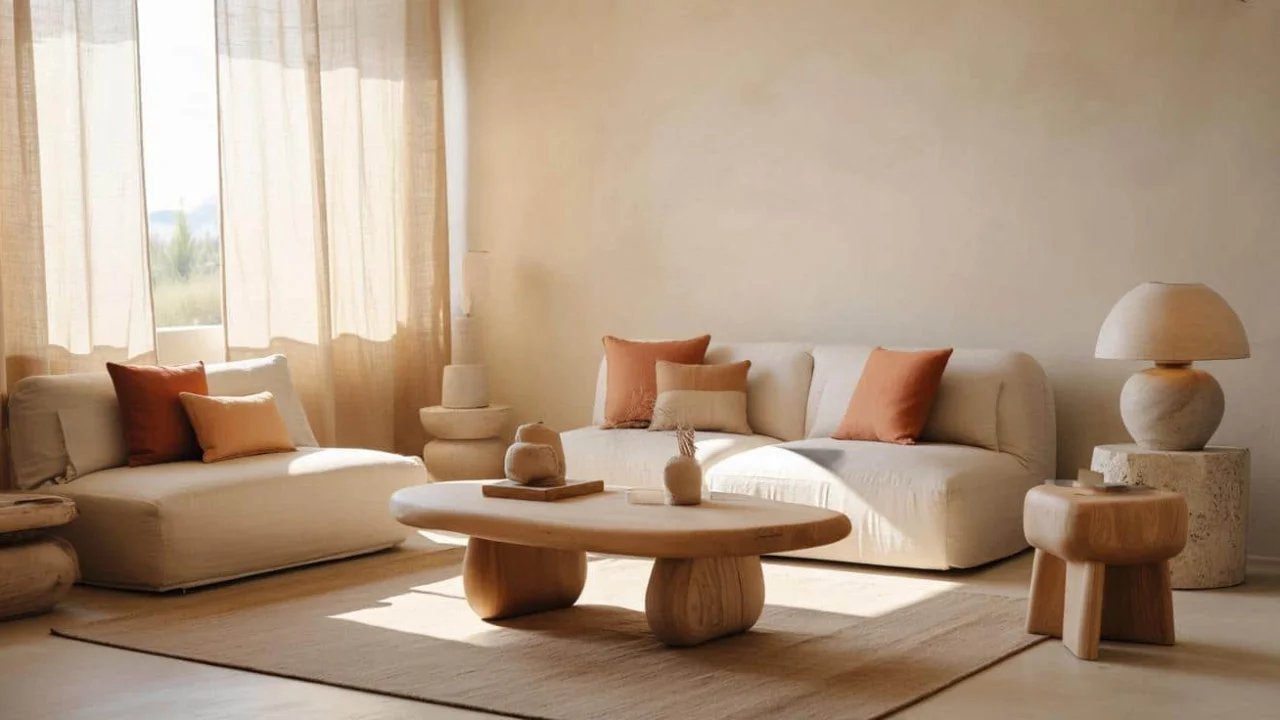
“After years of chasing Instagram-worthy spaces, homeowners are finally asking the right question: does this room make me feel better? The answer is reshaping how we think about interior design,” says Sarah Chen, a leading interior design consultant.
Winter light streaming through windows reveals the truth about our living spaces. That post-holiday restlessness isn’t just seasonal blues – it’s your home telling you something needs to change. Across the design world, a quiet revolution is underway as people abandon flashy makeovers for something deeper: spaces that actually nurture wellbeing.
The shift represents more than aesthetic preference. It’s a fundamental reimagining of what our homes should do for us. Instead of showcasing trends that will feel dated in months, home decor trends 2026 focus on creating sanctuaries that calm rather than stimulate, inspire rather than overwhelm.
| Traditional Approach | 2026 Direction | Impact |
|---|---|---|
| Bold statement walls | Warm earth tones | Reduces visual stress |
| Fast furniture | Honest materials | Increases longevity |
| Crowded shelves | Curated objects | Improves focus |
| Cold white lighting | Layered warm light | Enhances mood |
Who Benefits From These Emerging Design Philosophies
Remote workers spending countless hours in home offices discover immediate relief from visual chaos. Parents juggling family life find peace in simplified, functional spaces. Empty nesters finally have permission to choose comfort over convention.
- Urban dwellers: Small spaces feel larger with organic minimalism and curved furniture
- Busy professionals: Edited shelves and meaningful objects reduce mental clutter
- Families with children: Durable materials and calm colors create lasting functionality
- Budget-conscious renovators: Slow decor principles maximize investment value
- Environmental advocates: Honest materials support sustainable living practices
Seven Fundamental Changes Reshaping Interior Spaces
Organic minimalism replaces the sterile white box approach that dominated previous years. Instead of bare walls and harsh angles, curves become central design elements. Bean-like sofas, pebble-shaped coffee tables, and softly rounded lamps instantly reduce visual tension.
- Material shift: Synthetic finishes lose ground to solid wood, stone, clay, and natural textiles
- Color evolution: Cool greys give way to terracotta, ochre, and warm earth tones
- Pattern reduction: Texture layers replace busy prints and competing visual elements
- Object curation: Meaningful pieces replace decorative clutter and impulse purchases
- Lighting transformation: Layered warm light systems replace harsh overhead fixtures
- Personal storytelling: Individual narratives trump coordinated showroom sets
“The clients who feel happiest in their renovated spaces aren’t those who followed every trend, but those who chose materials and colors that genuinely reflect how they want to live,” explains Marcus Rodriguez, residential design strategist.
Investment Breakdown For Different Room Types
| Room | Priority Elements | Budget Range | Timeline |
|---|---|---|---|
| Living Room | Curved coffee table, wool rug, warm lighting | $800-$2,500 | 2-4 weeks |
| Kitchen | Stone surfaces, wooden stools, ceramic storage | $1,200-$4,000 | 4-8 weeks |
| Bedroom | Solid wood furniture, natural textiles | $600-$1,800 | 1-3 weeks |
| Home Office | Task lighting, organized storage, calm colors | $400-$1,200 | 1-2 weeks |
Practical Implementation Without Major Renovation
Small changes create significant impact when aligned with home decor trends 2026 principles. Start with lighting adjustments – warm bulbs in the 2700-3000K range transform evening atmosphere immediately. Replace rectangular coffee tables with oval alternatives to soften room dynamics.
Textile swaps offer another low-risk entry point. Terracotta or clay-colored cushion covers warm up cool grey sofas. Unbleached linen curtains replace bright white panels. Wool rugs anchor seating areas with natural texture.
The three-light rule revolutionizes room functionality: ambient lighting for general atmosphere, task lighting for specific activities, accent lighting for visual interest. This layered approach mimics natural daylight patterns while supporting both productivity and relaxation.
Material Authenticity Drives Lasting Value
Honest materials represent more than aesthetic choice – they offer economic advantages. Solid wood tables can be refinished multiple times, extending useful life by decades. Stone countertops develop character rather than showing wear. Natural textiles improve with age when properly maintained.
Second-hand solid wood pieces often cost less than new veneer alternatives while offering superior longevity. Local craftspeople create custom ceramic lamps that replace multiple mass-produced fixtures. These investments pay forward through reduced replacement cycles.
“When clients choose authentic materials over synthetic alternatives, they’re not just buying furniture – they’re investing in pieces that become more beautiful with time rather than showing every scratch,” notes Emma Thompson, sustainable design consultant.
Color Psychology Behind The Earth Tone Movement
Terracotta and warm neutrals affect mood differently than cool greys or stark whites. These earth tones reflect wavelengths that naturally reduce cortisol levels, making evening relaxation easier after stressful days. They also enhance artificial light quality, reducing the harsh contrast between indoor and outdoor environments.
Professional color consultations reveal that home decor trends 2026 prioritize psychological comfort over visual drama. Rust accents on cushions, clay-colored lampshades, and sand-toned throws create cocoon-like environments that support better sleep and focus.
Shelf Editing Creates Mental Clarity
The 30-second dusting test provides objective measurement for object density. Surfaces that require longer cleaning cycles typically display too many competing elements. Professional organizers recommend grouping remaining objects in threes: one vertical element, one horizontal piece, one sculptural form.
Seasonal rotation prevents visual stagnation while reducing permanent display requirements. Store decorative items in organized containers, bringing fresh combinations forward quarterly. This approach maintains visual interest without creating permanent clutter.
Frequently Asked Questions
How much should I budget for a 2026-style room refresh?
Most rooms transform effectively with $500-$1,500 invested in key pieces like lighting, textiles, and one quality furniture item.
Can renters implement these trends without painting walls?
Absolutely. Focus on removable elements: warm lighting, earth-toned textiles, and natural material accessories create the same calming effect.
Which trend offers the biggest immediate impact?
Lighting changes deliver instant transformation. Swapping cool bulbs for warm ones and adding layered lamp sources reshapes room atmosphere within hours.
How do I know if my current furniture works with 2026 trends?
Quality pieces in natural materials adapt easily with new textiles or styling. Synthetic or heavily damaged items benefit from replacement.
What’s the difference between minimalism and organic minimalism?
Traditional minimalism emphasizes emptiness and sharp lines. Organic minimalism keeps spaces uncluttered but adds curves, texture, and warmth for livability.
Should I replace everything at once or gradually?
Gradual changes allow budget spreading and ensure each choice feels intentional rather than reactive to temporary trends.
These emerging design philosophies reflect deeper cultural shifts toward intentional living and environmental consciousness. Rather than chasing fleeting aesthetics, home decor trends 2026 emphasize creating spaces that support long-term wellbeing and authentic self-expression.
The movement toward slower consumption and honest materials offers both environmental and economic benefits. Quality investments appreciate over time while reducing waste cycles that drain both budgets and natural resources.
“The homes that will still feel current in 2031 aren’t following today’s trends – they’re built on timeless principles of comfort, functionality, and personal meaning. That’s the real wisdom behind this design evolution,” concludes residential psychologist Dr. James Liu.