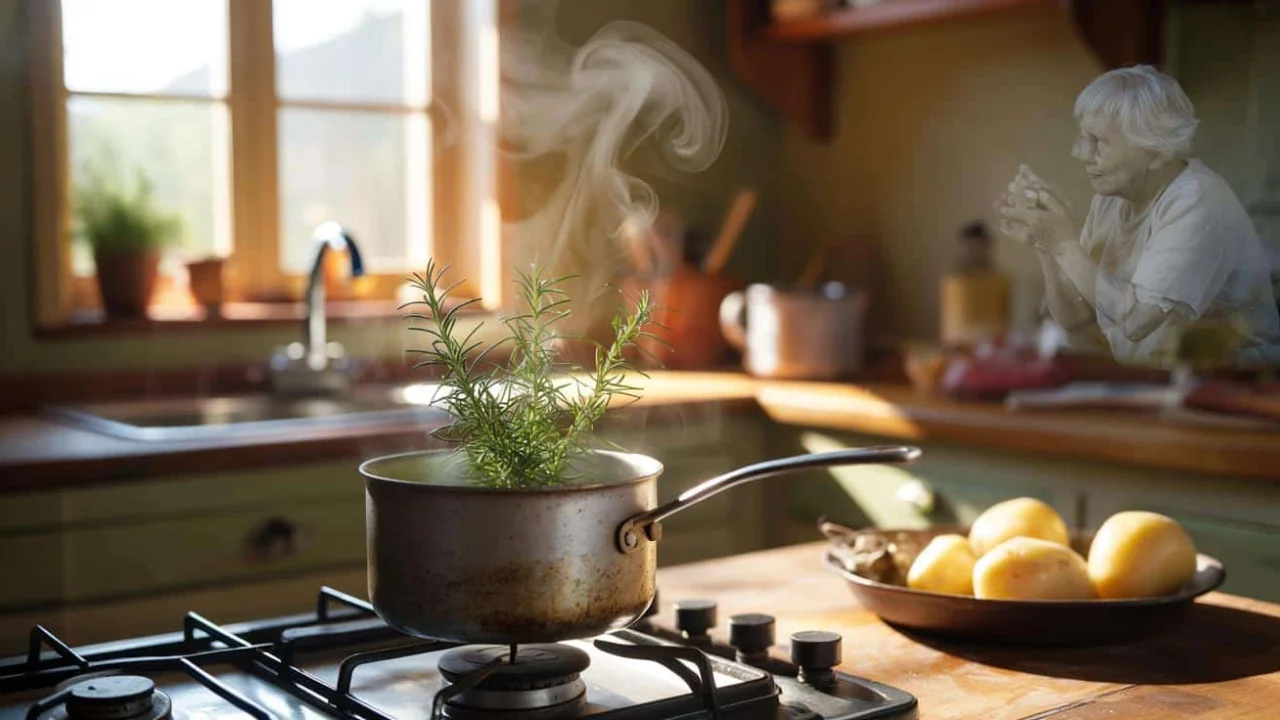
There is something truly enchanting about the simple act of boiling rosemary to transform the atmosphere of a home. This humble practice, passed down from grandmother to grandchild, goes far beyond mere scent enhancement. Rather than blasting an artificial fragrance, boiling rosemary softly resets the environment, wrapping the air around you with a fresh, green embrace that soothes and revitalizes. It’s a quiet ritual that invites calm into chaotic kitchens, lifts stale odors from hallways, and creates a feeling that your home is not just a place to pass through, but a sanctuary where life happens and care is given.
The undeniable power of boiling rosemary lies in its subtlety and authenticity. Unlike overpowering commercial air fresheners or candles laden with synthetic scents, rosemary releases natural essential oils that carry an earthy, herbaceous aroma—one that feels like a breath of nature indoors. This scent resonates deeply with our brains because it’s tied to memories of gardens, fresh cooking, and clarity. The act of simmering rosemary is less about masking bad smells and more about embracing and uplifting the essence of the home, infusing it with intention and warmth.
For many, the journey begins with simple curiosity or necessity, like moving into a new apartment that carries the ghost of previous occupants’ detergent or paint. But within minutes of boiling rosemary, the anonymous “rental smell” fades, replaced by something unmistakably personal and comforting. It’s this transformation that turns once unwelcoming spaces into true homes. This timeless ritual, rooted in plant chemistry and domestic love, teaches us that sometimes the grandest change really is born from the smallest, most ordinary moments.
| Aspect | Details |
|---|---|
| What to Use | Fresh rosemary sprigs, about a handful |
| How to Prepare | Place in a saucepan half-filled with water, rinse sprigs lightly |
| Cooking Method | Simmer on low to medium-low heat, uncovered |
| Duration | 10 to 20 minutes for optimal scent diffusion |
| Effects | Freshens and softens air, masks unpleasant odors, promotes calm |
| Scent Profile | Sharp, green, earthy with hints of camphor |
Why Do Some Homes Feel More Inviting Than Others?
We’ve all walked into places that feel instantly welcoming or, conversely, slightly unsettling, even if they look immaculate. The secret often lies in the invisible atmosphere—the air quality, subtle odors, and ambient scents that unconsciously influence our comfort level. Kitchens with lingering smells of yesterday’s meals, musty unnoticed corners, or synthetic fragrances can make a home feel cluttered and stressful. Boiling rosemary addresses this layer of atmosphere by naturally neutralizing these invisible burdens. It doesn’t assault your senses but rather slips in quietly, resetting the olfactory palette of your space.
The Science Behind Rosemary’s Transformative Aroma
Rosemary contains potent essential oils such as cineole and camphor, which are released when the herb is heated in water. These oils disperse gently via steam, filling the air with an invigorating, genuine scent that is far from artificial. This green, woody aroma is linked in our brains to natural vitality, cooking from scratch, and clear-mindedness. Aromatherapy research supports rosemary’s benefits for mental alertness and reducing fatigue, explaining why the scent can make a room feel more alive and less stagnant. What may seem like an old grandmother’s trick is actually a natural way to enhance the atmosphere, grounded in chemistry and psychology.
How to Boil Rosemary for the Best Effect
The method is elegantly simple, accessible to everyone. Begin by filling a small saucepan halfway with water and add a good handful of fresh rosemary sprigs. Rinse them quickly under the tap if needed but keep the leaves attached to the woody stems to maximize oil release. Place the pan on the stove and turn the heat to a low or medium-low setting, aiming for a gentle simmer rather than a vigorous boil. Once steam begins to rise, leave the pot uncovered to allow the aromatic vapor to permeate the room.
Keep it simmering for about 10 to 20 minutes, allowing the scent to settle into furniture, fabrics, and even those mysterious corners of the home where odd odors often linger. If you want to refresh another room, carefully transport the steaming pan to the new area, keeping doors slightly ajar for circulation. Patience is key—this isn’t a quick fix or overpowering scent burst, but a slow, natural way to reset your home’s atmosphere.
When to Use Rosemary Boiling
It’s unrealistic to expect that this ritual should be performed daily, especially in busy households. Instead, think of it as a special act you bring out during moments that need a little comforting reset. After cooking pungent foods like fish, before guests arrive to instil warmth and welcome, or on quiet Sundays when you need your home to breathe amidst a hectic week. Avoid layering rosemary steam with commercial sprays or candles initially; let the herb’s purity do its work first. You might find that after the rosemary infusion, no other fragrance is needed.
How This Tradition Connects Us to Home and Care
The act of boiling rosemary is more than an air freshening technique—it is an expression of care. Grandmother’s wisdom that “a house shouldn’t smell like perfume, it should smell like someone lives there and cares” captures the heart of this tradition. The gentle steam, the feeling of watching fresh green twigs dance in simmering water, invites grounding and presence in a fast-paced world. This small, simple gesture quietly changes how a room feels and, in turn, how you feel inhabiting that space. In an era of grand redesigns and obsessively curated lifestyles, sometimes the oldest, simplest home remedy holds the deepest meaning and impact.
| Winners | Why |
|---|---|
| Homes with stale or chemical odors | Subtly neutralizes and masks unpleasant smells |
| People seeking natural, non-invasive air freshening | Offers an authentic, gentle scent without chemicals |
| Individuals experiencing mental fatigue | Rosemary aroma may boost alertness and clarity |
| Losers | Challenges or Limitations |
| Those expecting quick, strong fragrance | Scent develops gradually and is more subtle |
| People with rosemary allergies | Essential oils can trigger reactions |
| Busy households neglecting regular use | Requires intentional moments to achieve effect |
Short FAQs about Boiling Rosemary at Home
How often should I boil rosemary to freshen my home?
Boiling rosemary isn’t meant for daily use but rather as an occasional ritual—after cooking strong-smelling meals, before guests arrive, or when your home needs a refreshing reset. A few times a week or whenever the air feels heavy is perfect.
Can I use dried rosemary instead of fresh?
Fresh rosemary offers the best aroma because it contains more essential oils, but dried rosemary can work in a pinch. The scent may be less potent, so consider using a larger quantity for similar effects.
What safety precautions should I take while boiling rosemary?
Always keep an eye on the simmering pot to avoid boiling dry and potential hazards. Handle the saucepan carefully when moving it between rooms and keep steam away from children and pets.
Will boiling rosemary completely remove strong odors like smoke or pet smells?
It can help mask stubborn smells by freshening the air with natural oils, but it may not eliminate them entirely. For lingering odors, combine rosemary steaming with proper ventilation and cleaning.
Can boiling rosemary improve my mood or mental focus?
Yes, rosemary’s essential oils are linked to improved alertness and reduced mental fatigue in aromatherapy, which may make the home atmosphere feel more invigorating and clear.
Is it better to cover the saucepan or leave it uncovered while boiling?
Leaving the saucepan uncovered allows the aromatic steam to disperse freely into your living space, which is essential to freshen the air effectively.
Are there other herbs that work similarly when boiled?
Herbs like mint, lavender, and lemon balm can also be boiled for their scents and aromatherapy benefits, but rosemary’s distinct, fresh, and woody aroma is unmatched for creating a homey atmosphere.
“Boiling rosemary is a beautiful example of how simple, natural rituals can create profound shifts in home atmosphere and personal wellbeing.”
— Dr. Emily Carter, Aromatherapist
“The chemistry behind rosemary’s essential oils makes it not just a fragrance but a gentle mood enhancer that reconnects us with nature indoors.”
— Prof. Michael Liu, Plant Biochemist
What is the main benefit of boiling rosemary on the stove in the home?
Boiling rosemary on the stove softly resets the environment by releasing natural essential oils that create a fresh, green aroma, helping to soothe, revitalize, and uplift the atmosphere of the home.
How does boiling rosemary differ from using commercial air fresheners?
Boiling rosemary releases natural essential oils with an earthy, herbaceous scent that feels authentic and subtle, unlike commercial air fresheners that often contain overpowering synthetic fragrances.
What materials are needed to boil rosemary according to the article?
You need fresh rosemary sprigs, about a handful, and a saucepan half-filled with water.
How should rosemary be prepared and cooked to change the home’s atmosphere?
Rinse the rosemary sprigs lightly, place them in a saucepan with water, and simmer on low to medium-low heat.
What kinds of spaces benefit most from boiling rosemary?
Spaces such as new apartments with lingering smells from previous occupants, chaotic kitchens, or stale hallways can benefit greatly from the calming and fresh atmosphere created by boiling rosemary.
Why is boiling rosemary considered a meaningful ritual in the home?
It is a quiet, intentional practice passed down through generations that uplifts the homeu2019s essence, turning ordinary moments into comforting experiences and making spaces feel like personal sanctuaries.