“Most people think eliminating odors means masking them with something stronger, but that’s backwards thinking,” says a certified indoor air quality specialist. “The smartest approach is neutralization, not coverage.”
We’ve all been there – walking into our kitchen the morning after cooking fish, hosting friends who smoke, or simply letting life accumulate in our living spaces. The air feels heavy, loaded with yesterday’s decisions. While most reach for scented candles or air fresheners, a growing number of households are discovering that vinegar overnight odor elimination works through actual chemistry, not artificial fragrance.
The science is surprisingly straightforward. Vinegar releases acetic acid vapors that interact with odor molecules floating in your air. Instead of adding another scent to the mix, these vapors neutralize alkaline odors and trap certain compounds in the liquid itself.
| Method | Cost | Chemical Action | Duration |
|---|---|---|---|
| Bowl of white vinegar | Under $2 | Neutralizes alkaline odors | 6-8 hours |
| Scented candles | $8-20 | Masks with fragrance | 2-3 hours active burn |
| Air freshener spray | $3-8 | Covers with artificial scent | 30-60 minutes |
| Essential oil diffuser | $15-50 plus oils | Aromatherapy masking | 3-4 hours |
Who Benefits Most From Overnight Vinegar Odor Control
Several groups find this method particularly effective for their specific situations:
- Apartment dwellers: Limited ventilation makes odors linger longer in small spaces
- Fragrance-sensitive individuals: Chemical sensitivities prevent using commercial air fresheners
- Pet owners: Constant low-level odors from litter boxes or accidents need ongoing management
- Cooking enthusiasts: Heavy spices and oils create persistent kitchen odors
- Smokers or hosts of smokers: Tobacco smells penetrate fabrics and hang in air
- New parents: Diaper odors and formula spills create challenging household smells
What Changes When You Use This Method Consistently
Regular users report several noticeable shifts in their living environment:
- Morning air quality: Rooms feel fresher without artificial scent overlay
- Clothing absorption: Fabrics pick up fewer lingering food or smoke odors
- Guest comfort: Visitors comment less on household smells
- Sleep quality: Reduced intrusive odors drifting from kitchen to bedroom areas
- Cleaning effectiveness: Surface odors become easier to eliminate with regular cleaning
- Cost savings: Reduced reliance on commercial odor-control products
“The key difference is that vinegar actually changes the chemical composition of odor molecules rather than just adding another layer of scent,” explains a residential air quality consultant. “It’s like turning down the volume on smell instead of trying to play louder music over it.”
The Science Behind Acetic Acid Vapor Action
Understanding why vinegar overnight odor control works helps explain its limitations and best applications. Vinegar contains acetic acid, which becomes airborne at room temperature. These molecules interact with volatile organic compounds – the actual source of most household odors.
Alkaline odors respond particularly well to vinegar treatment. Fish smells, cigarette smoke, and many cooking odors fall into this category. The acid neutralizes these compounds chemically, rather than simply covering them.
Additionally, the liquid surface acts as a mild absorption medium. Some odor molecules dissolve directly into the vinegar solution during the overnight period, removing them from the air entirely.
| Room Size | Vinegar Amount | Bowl Type | Effective Duration |
|---|---|---|---|
| Small (100 sq ft) | 1/2 cup | Wide, shallow dish | 8-10 hours |
| Medium (200 sq ft) | 3/4 cup | Large mixing bowl | 8-12 hours |
| Large (300+ sq ft) | 1 cup or multiple bowls | Several containers | 10-12 hours |
| Kitchen post-cooking | 1 cup | Wide container near source | 6-8 hours minimum |
Practical Implementation For Maximum Effectiveness
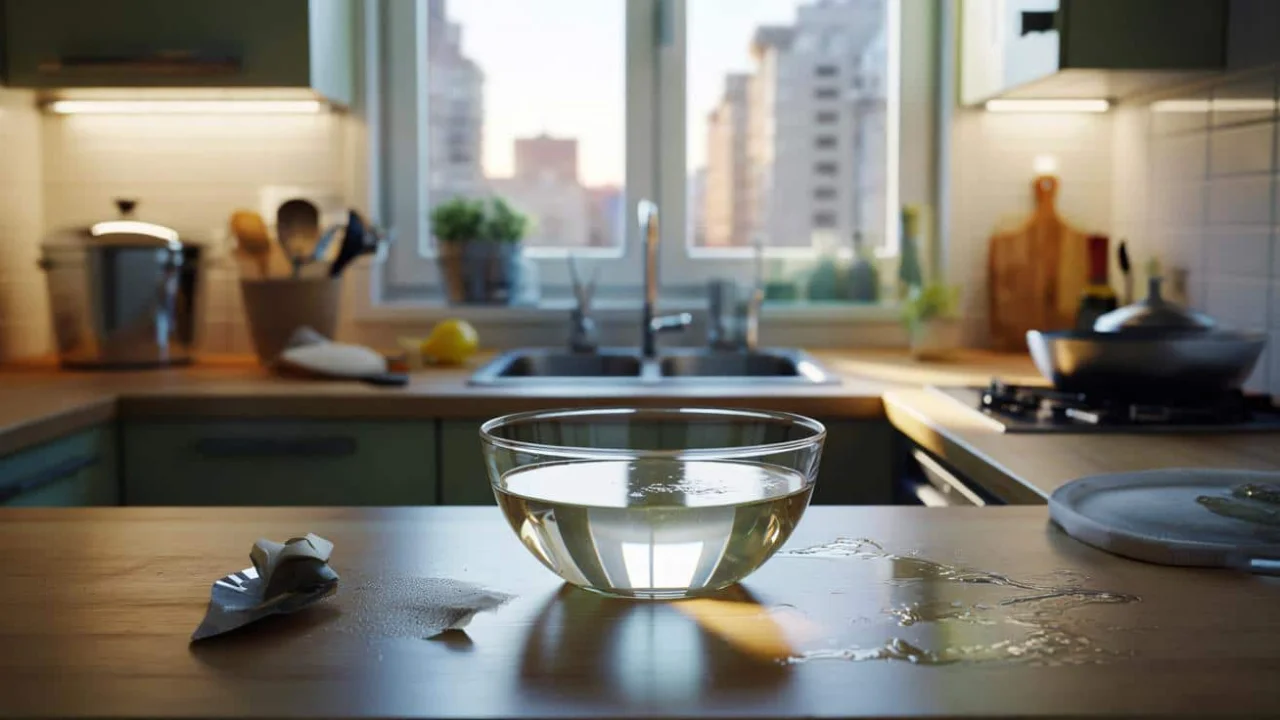
Success with this method depends on proper setup and realistic expectations. Place bowls strategically near odor sources – kitchen islands after heavy cooking, near trash areas, or close to pet spaces. Wide, shallow containers work better than narrow glasses because they expose more liquid surface to air.
Timing matters significantly. The immediate effect is often just added vinegar smell, which can seem counterproductive. The actual odor neutralization happens gradually over 4-6 hours as molecules interact and dissolve.
Close windows and doors to concentrate the effect in specific areas. This traps both the problematic odors and the vinegar vapors in the same space, allowing maximum interaction time.
Multiple rooms may require multiple bowls. Don’t expect one small dish to treat an entire house – the effect works best in defined spaces.
“I tell clients to think of it as overnight air editing rather than instant transformation,” notes a professional cleaning consultant. “You’re giving chemistry time to work while you sleep, which is much more effective than quick fixes.”
When Vinegar Alone Isn’t Sufficient
This method has clear limitations that users should understand upfront. Deep, embedded odors in fabrics, carpets, or wall paint require additional cleaning beyond air treatment. Smoke damage, pet accidents, or mold issues need professional attention.
Dangerous fumes like gas leaks or chemical spills should never be treated with household remedies. These situations require immediate professional intervention and proper ventilation.
Some synthetic odors don’t respond well to acid neutralization. Certain cleaning chemicals, paint fumes, or industrial smells may need different approaches or professional air filtration systems.
The vinegar overnight odor method works best as part of a broader odor management strategy that includes source control, regular cleaning, and proper ventilation during daytime hours.
Frequently Asked Questions About Overnight Vinegar Use
Does the room end up smelling like vinegar in the morning?
Usually the vinegar scent fades significantly by morning, leaving rooms more neutral than before.
Can I use apple cider or balsamic vinegar instead?
White vinegar works best because colored varieties add their own strong aromas and potential staining.
Is breathing vinegar fumes all night safe?
In normal household quantities, white vinegar vapors are generally safe for most people.
Will this remove smoke or pet odors completely?
It softens airborne odors but won’t eliminate deep smells embedded in fabrics or surfaces.
How often should I use this method?
Most people use it after specific “smelly events” rather than nightly, treating it as an air reset tool.
What type of bowl works best for this technique?
Wide, shallow dishes expose more liquid surface area than narrow containers, improving effectiveness.
“The beauty of this approach is its simplicity and safety,” concludes a certified indoor air specialist. “You’re working with natural chemistry instead of adding more synthetic compounds to your home environment. It won’t solve every odor problem, but for everyday household smells, it’s remarkably effective and completely non-toxic.”