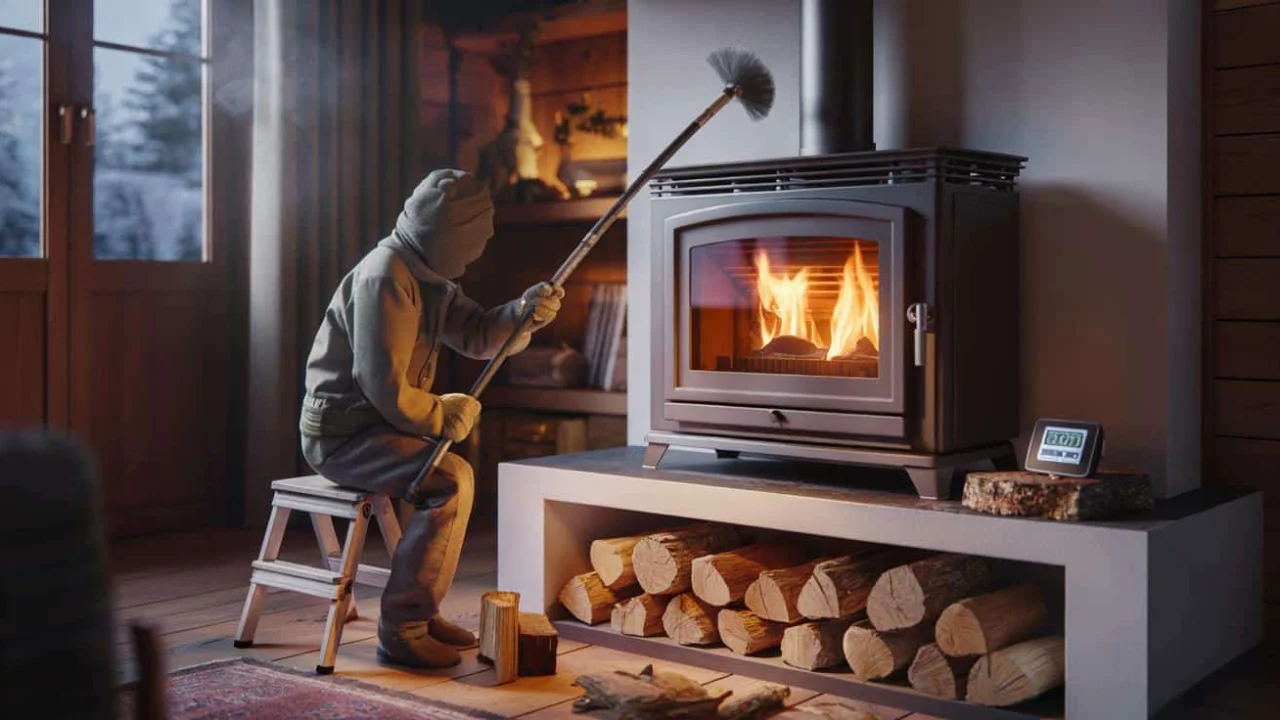
As energy prices stay stubbornly high and the cold creeps in, many households are quietly turning back to wood burners and fireplaces. From rural cottages to city townhouses, solid-fuel stoves are crackling back into action. Yet a surprising number of owners are heating their living rooms poorly, wasting money and fuel, without even realising it.
The crackle of burning wood should bring comfort and warmth, not frustration and chilly corners. But for thousands of homeowners this winter, their wood-burning stoves and fireplaces are failing to deliver the cozy heat they desperately need. The logs burn through quickly, smoke billows back into rooms, and despite feeding the fire constantly, the house never feels truly warm.
A small shift in routine can radically change the way a stove performs — and some users say the difference is obvious in just a few days. “I’ve been doing it since this week and I’ve seen a real difference,” reports Sarah Mitchell, a homeowner from Devon who discovered this simple technique. “My living room actually stays warm now, and I’m using half the wood I used to burn.”
The secret isn’t buying expensive equipment or renovating your entire heating system. It’s about understanding how wood heating efficiency actually works, and making one crucial change that most people completely overlook.
The Hidden Problem Above Your Ceiling
If your stove seems underwhelming, or your open fire looks dramatic but leaves the room chilly, the problem often isn’t the appliance itself. For many households, the weak link is hidden above the ceiling: the flue or chimney that’s supposed to carry smoke safely out of the house.
A clean, unobstructed flue can almost double the usable heat from a wood stove or fireplace, while cutting fuel use dramatically. Over time, soot, ash and tar-like creosote build up along the inside of the flue. That build-up narrows the passage, disrupts draught and chokes the fire of oxygen.
The result: the wood burns badly, produces more smoke, and delivers less heat into the room. The “one simple move” many seasoned wood-burner owners swear by is boringly practical: regular, serious chimney maintenance. Not once every few years, not just when you sell the house, but as part of your heating routine throughout the winter.
“Most people think a chimney sweep is something Victorian. But I see homeowners every week who are burning twice as much wood as they need to, just because their flue is clogged with deposits. A clean chimney transforms everything.” – James Harrison, Certified Chimney Sweep, 15 years experience
Why a Clean Flue Transforms Wood Heating Efficiency
Wood heating efficiency relies on a strong draught. Hot air and smoke need to rise quickly, pulling fresh air into the firebox. When soot lines the flue, that flow slows down. The smoke lingers, the fire sulks, and you end up piling on more logs to get the same warmth.
With a clear, well-swept chimney, smoke exits faster and the fire gets the oxygen it needs. Combustion becomes more complete. Logs burn hotter and cleaner. Less heat vanishes up the chimney, and more stays in your home where you actually feel it.
| Flue Condition | Heat Output | Wood Consumption | Burn Quality |
|---|---|---|---|
| Heavily clogged (3+ years no cleaning) | 40-50% of potential | 2x normal amount | Smoky, incomplete burning |
| Moderately dirty (1-2 years) | 60-70% of potential | 1.5x normal amount | Adequate but inefficient |
| Recently cleaned (within 6 months) | 85-95% of potential | Normal consumption | Clean, hot flames |
A clogged chimney equals wasted heat and rising bills; a clear chimney means sharper flames, warmer rooms and safer nights. The difference isn’t subtle – it’s the kind of improvement that makes you wonder why you waited so long to address it.
Professional Maintenance: The Foundation
In most European countries and many US states, an annual sweep by a certified professional is strongly recommended, and often legally required for insurance or safety. That visit should never be skipped, but owners can do a lot between those appointments to keep performance high and deposits low.
Professional chimney sweeps use specialized equipment and have the expertise to spot potential problems before they become dangerous. They can identify structural issues, recommend improvements, and ensure your system meets local safety codes.
“I tell my customers that the annual sweep is like an MOT for your chimney. But just like you don’t ignore your car between services, your flue needs attention throughout the heating season. Simple maintenance makes my job easier and keeps your family safer.” – Maria Santos, Guild of Master Chimney Sweeps
Simple Actions That Keep Your Chimney Efficient
Between professional visits, homeowners can take several steps to maintain optimal wood heating efficiency:
- Use a chimney brush regularly: If it’s safe and accessible, run a properly sized brush down the flue every few months during heating season to dislodge loose soot.
- Burn sweeping logs as a supplement: So-called “chimney cleaning logs” release additives that help dry and flake off some deposits. They don’t replace a real sweep, but they can slow build-up.
- Choose dry, seasoned hardwood: Logs with high moisture content create more smoke and deposits. Well-seasoned wood (moisture content below 20%) burns cleaner and hotter.
- Monitor your draught: Watch how smoke behaves when you open the stove door. Good draught pulls smoke up immediately; poor draught lets it billow into the room.
- Check the cap and screen: Birds, leaves, and debris can block the chimney top, severely restricting airflow.
The Economics of Clean Burning
The financial impact of proper chimney maintenance extends far beyond the cost of a professional sweep. When wood heating efficiency improves, fuel costs drop dramatically. Many homeowners report cutting their wood consumption by 30-50% after addressing chimney problems.
Consider the typical household burning 4-5 cords of wood per winter. At current prices (£80-120 per cord in the UK), that’s £320-600 annually just for fuel. A clogged chimney could easily double those costs, while proper maintenance keeps them manageable.
Beyond immediate savings, efficient burning reduces wear on your stove, extends its lifespan, and maintains your home insurance coverage. Many policies require annual chimney maintenance for wood-burning appliances.
Safety Benefits You Can’t Ignore
Clean chimneys aren’t just about comfort and savings – they’re about keeping your family safe. Creosote deposits are highly flammable and cause thousands of house fires every year. Poor draught can allow dangerous carbon monoxide to enter living spaces.
The warning signs of chimney problems include:
- White staining on the outside of the chimney
- Rust on the firebox or damper
- Damaged chimney crown or cap
- Strong odors from the fireplace
- Animals or birds in the chimney
- Smoke entering the room when the fire is lit
“I’ve seen families nearly lose their homes because they thought chimney maintenance was optional. The deposits build up gradually, so people don’t notice the problem until it’s serious. Regular cleaning isn’t just about efficiency – it’s about survival.” – David Thompson, Fire Safety Inspector
Real Results from Real Homeowners
The testimonials from homeowners who’ve implemented proper chimney maintenance are consistently positive. Emma Rodriguez from Wales reports: “We had our chimney professionally cleaned for the first time in five years, and the difference was immediate. The fire draws properly now, rooms heat up faster, and we’re burning about 40% less wood.”
Similar stories come from across the country. John Peterson in Scotland notes: “I was skeptical about spending money on chimney cleaning, but it’s paid for itself three times over in reduced fuel costs. The house actually stays warm now.”
These aren’t isolated cases. The improvement in heating performance from proper chimney maintenance is so predictable that many professionals guarantee better efficiency after their service.
Frequently Asked Questions
How often should I clean my chimney?
Professional cleaning annually, with light maintenance every 2-3 months during heating season.
Can I clean the chimney myself?
Basic brush cleaning is possible if safely accessible, but annual professional inspection is essential.
How much does professional chimney cleaning cost?
£80-150 in the UK, typically paying for itself in fuel savings within one season.
What type of wood burns cleanest?
Dry hardwoods like oak, ash, and beech with moisture content below 20%.
How do I know if my chimney needs immediate attention?
Smoke entering rooms, strong odors, white chimney staining, or rust on components.
Do chimney cleaning logs really work?
They help reduce deposits between professional cleanings but cannot replace proper maintenance.
Taking Action This Week
The transformation in heating performance from proper chimney maintenance isn’t something that happens gradually over months. Most homeowners notice the difference within days of having their flue professionally cleaned or performing thorough maintenance themselves.
If you’re struggling with poor heating performance, high fuel costs, or safety concerns with your wood-burning appliance, the solution might be simpler than you think. Start by scheduling a professional inspection and cleaning, then commit to regular maintenance throughout the heating season.
The initial investment in proper chimney care pays dividends in comfort, safety, and savings. More importantly, it transforms your wood stove or fireplace from a frustrating necessity into the warm, efficient heating source it was designed to be.