Are you tired of that wilted, sad-looking broccoli staring back at you from the steamer basket? Do you find yourself wondering why this “superfood” tastes more like disappointment than nutrition? What if everything you thought you knew about cooking broccoli to preserve its nutrients was actually working against you?
New research reveals that the traditional steaming method most of us rely on isn’t the nutritional superhero we believed it to be. In fact, broccoli cooking methods that involve prolonged steaming may be destroying the very compounds that make this vegetable so valuable for our health.
| Quick Overview | Details |
|---|---|
| Problem with Traditional Steaming | Over 5 minutes destroys vitamin C and heat-sensitive enzymes |
| Better Method | Quick pan-cooking with minimal water (3-5 minutes) |
| Key Nutrient at Risk | Sulforaphane enzyme (anti-inflammatory compound) |
| Optimal Result | Bright green color with slight resistance to fork |
Why Traditional Steaming Falls Short of Nutrient Preservation
Most home cooks automatically reach for the steamer basket, believing they’re making the healthiest choice possible. This kitchen reflex has become so ingrained that questioning steaming feels almost heretical. Yet nutrition scientists have been quietly documenting how this method often fails to deliver on its promises.
The reality is that broccoli’s most valuable compounds are surprisingly fragile. Sulforaphane, the star anti-inflammatory compound linked to potential cancer-fighting properties, depends on an enzyme that heat quickly destroys. One comprehensive study found that steaming broccoli for more than five minutes significantly reduced its vitamin C content.
Here’s what happens during typical home steaming:
- Extended exposure to steam heat breaks down heat-sensitive vitamins
- The sulforaphane-producing enzyme becomes inactive after prolonged cooking
- Many people steam for 8-12 minutes, well beyond the optimal timeframe
- Distracted cooking leads to overcooked, nutrient-depleted vegetables
- Multiple reheating cycles further diminish nutritional value
The Science Behind Superior Broccoli Preparation Techniques
Research conducted by food scientists reveals that broccoli cooking methods involving brief, intense heat with minimal water contact preserve significantly more nutrients than traditional steaming. The key lies in understanding how broccoli’s cellular structure responds to different cooking approaches.
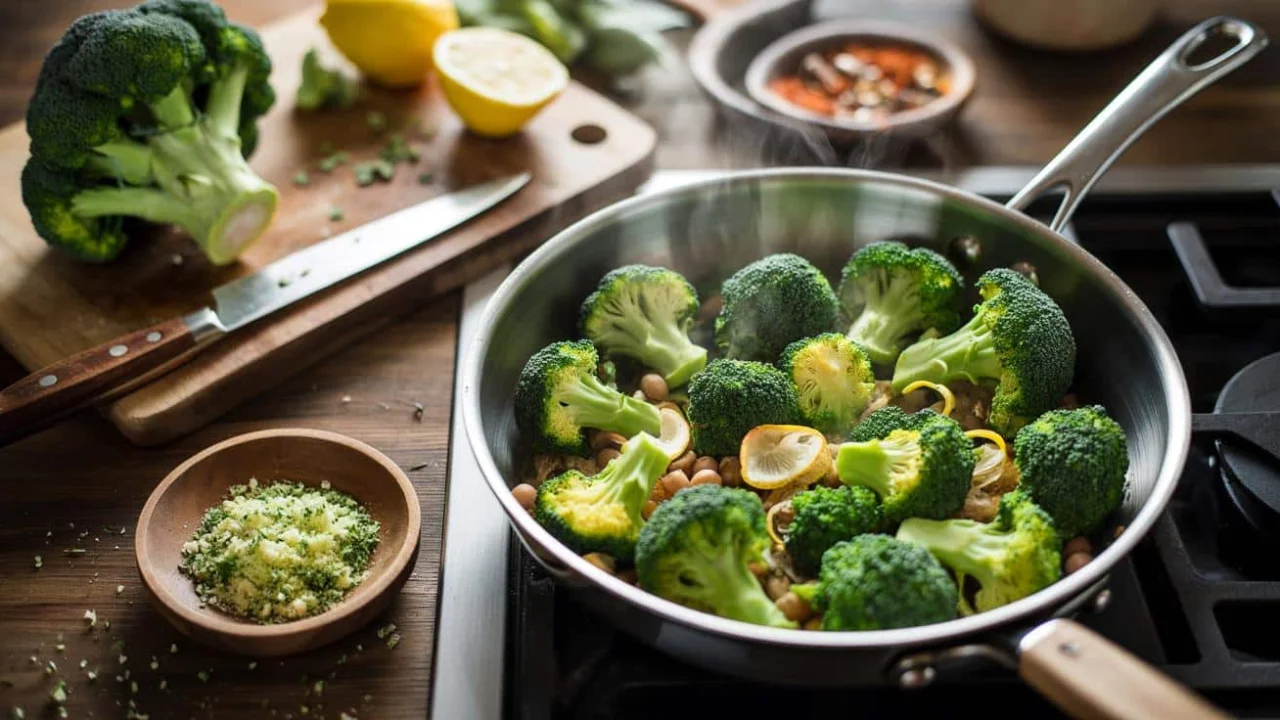
Quick pan-cooking emerges as the clear winner. This method involves cutting broccoli into uniform florets, heating a large pan to medium temperature, adding a small amount of olive oil, and cooking the florets for just two minutes before adding a few tablespoons of water and covering with a lid.
- Heat exposure remains brief and controlled
- Minimal water contact prevents vitamin leaching
- Steam generated stays trapped, cooking vegetables evenly
- Bright green color indicates optimal nutrient retention
- Fork should meet slight resistance when testing doneness
| Cooking Method | Vitamin C Retention | Sulforaphane Potential | Cooking Time |
|---|---|---|---|
| Boiling (10+ min) | 40-50% | Very Low | 10-15 minutes |
| Traditional Steaming | 60-70% | Low-Medium | 8-12 minutes |
| Quick Pan-Cooking | 80-90% | High | 3-5 minutes |
| Half-Raw Combination | 85-95% | Very High | 2-3 minutes |
“The sweet spot for broccoli is brief, intense heat with minimal water contact. Think of cooking broccoli like a sprinter, not a marathon runner,” explains a registered dietitian specializing in nutrient preservation techniques.
Revolutionary Half-Raw Cooking Strategy Maximizes Health Benefits
One of the most innovative approaches emerging from nutritional research involves combining raw and lightly cooked broccoli in the same dish. This strategy capitalizes on the strengths of both preparation methods while minimizing their individual weaknesses.
The technique involves lightly pan-cooking half of your broccoli until just crisp-tender, then finely chopping the remaining half raw. When combined with a simple dressing of olive oil, lemon juice, and seasonings, this creates a dish that maximizes both nutrient availability and digestive comfort.
Raw broccoli maintains its full enzyme complement, which helps activate beneficial compounds in the cooked portion. Meanwhile, the cooked broccoli provides better digestibility and a more appealing texture for those who struggle with raw cruciferous vegetables.
“Combining raw and cooked broccoli in the same meal creates a synergistic effect that optimizes both nutrient absorption and enzymatic activity,” notes a food science researcher studying cruciferous vegetable preparation.
Practical One-Pan Recipes That Preserve Maximum Nutrition
Converting superior broccoli cooking methods into actual meals requires recipes that fit into real-world schedules and cooking capabilities. These practical approaches transform broccoli from a dutiful side dish into the foundation of satisfying, nutrient-dense meals.
For a complete one-pan dinner, try bright broccoli with chickpeas and lemon. Pan-cook broccoli florets using the quick method described above. When they reach that perfect bright green stage, add a drained can of chickpeas, generous olive oil, fresh lemon zest, salt, pepper, and smoked paprika. Stir for two minutes until everything warms through, then finish with sunflower seeds or crushed almonds.
Another high-impact approach involves creating a “green pasta that doesn’t feel like diet food.” Cook whole grain pasta while simultaneously pan-cooking broccoli with garlic and a touch of chili. Before draining the pasta, reserve a cup of the starchy cooking water. Toss the pasta and broccoli together in the pan with grated cheese, olive oil, and just enough pasta water to create a silky sauce.
For cozy comfort food, blend leftover pan-cooked broccoli with hot vegetable stock, a spoonful of cream or tahini, and a pinch of nutmeg. This creates a smooth soup where the broccoli never spent extended time drowning in boiling water, preserving both nutrients and a fuller, more satisfying flavor profile.
Common Nutrient-Destroying Mistakes and How to Avoid Them
Even with improved cooking techniques, several common practices continue to undermine broccoli’s nutritional potential. Understanding these pitfalls helps ensure your efforts translate into actual health benefits rather than just good intentions.
Question: What is the healthiest way to cook broccoli?
Brief pan-cooking with a splash of water and a lid, 3–5 minutes until bright green and slightly crisp, provides optimal nutrient retention.
Question: Is steaming broccoli really bad for nutrients?
Steaming isn’t inherently bad, but extended steaming over 5 minutes significantly reduces vitamin C and destroys beneficial enzymes.
Question: Does raw broccoli contain more nutrients than cooked?
Raw broccoli preserves heat-sensitive compounds, though some people digest it poorly; combining raw and cooked offers the best balance.
Question: Can microwaving broccoli preserve nutrients effectively?
Microwaving with minimal water and short cooking times can preserve nutrients, but overcooking causes the same damage as any method.
Question: How long does cooked broccoli maintain its nutritional value?
Cooked broccoli retains peak nutrition for 24-48 hours when properly stored; repeated reheating further diminishes nutrient content.
Question: What’s the biggest mistake people make when cooking broccoli?
Using too much water and cooking too long destroys the very nutrients people are trying to preserve.
“The goal isn’t to be stricter about cooking rules, but to be smarter about preserving what makes broccoli valuable while ensuring it actually tastes good enough to eat regularly,” emphasizes a culinary nutritionist focusing on sustainable healthy eating habits.
Implementing Sustainable Broccoli Habits for Long-Term Health
The most sophisticated understanding of broccoli cooking methods means nothing if the techniques don’t fit into your actual lifestyle and cooking routine. Sustainable nutrition changes require approaches that work within the constraints of busy schedules, limited kitchen time, and real-world meal planning challenges.
Success lies in developing simple reflexes that become automatic: cutting florets evenly so they cook at the same speed, using a wide pan to prevent overcrowding, and stopping the moment that vivid green color appears. These small adjustments require no additional time but dramatically improve both nutrition and flavor outcomes.
The pleasure principle cannot be ignored. No amount of nutritional optimization will sustain a habit built on bland, joyless food. A drizzle of quality olive oil, a handful of toasted nuts, a shaving of good cheese, or a bright squeeze of lemon transforms broccoli from dietary obligation into something genuinely appealing.
Start tonight by ditching the steamer basket and reaching for your largest pan instead. Cut your broccoli into uniform pieces, heat that pan to medium, and commit to just five minutes of active cooking. Add those chickpeas or toss with pasta. Keep a portion raw if you’re feeling adventurous.
Your future self will thank you for developing these simple skills now, before another head of broccoli ends up as wilted disappointment in your refrigerator drawer. The path to better nutrition isn’t about perfection—it’s about making small, sustainable improvements that compound over time into genuinely healthier eating patterns.