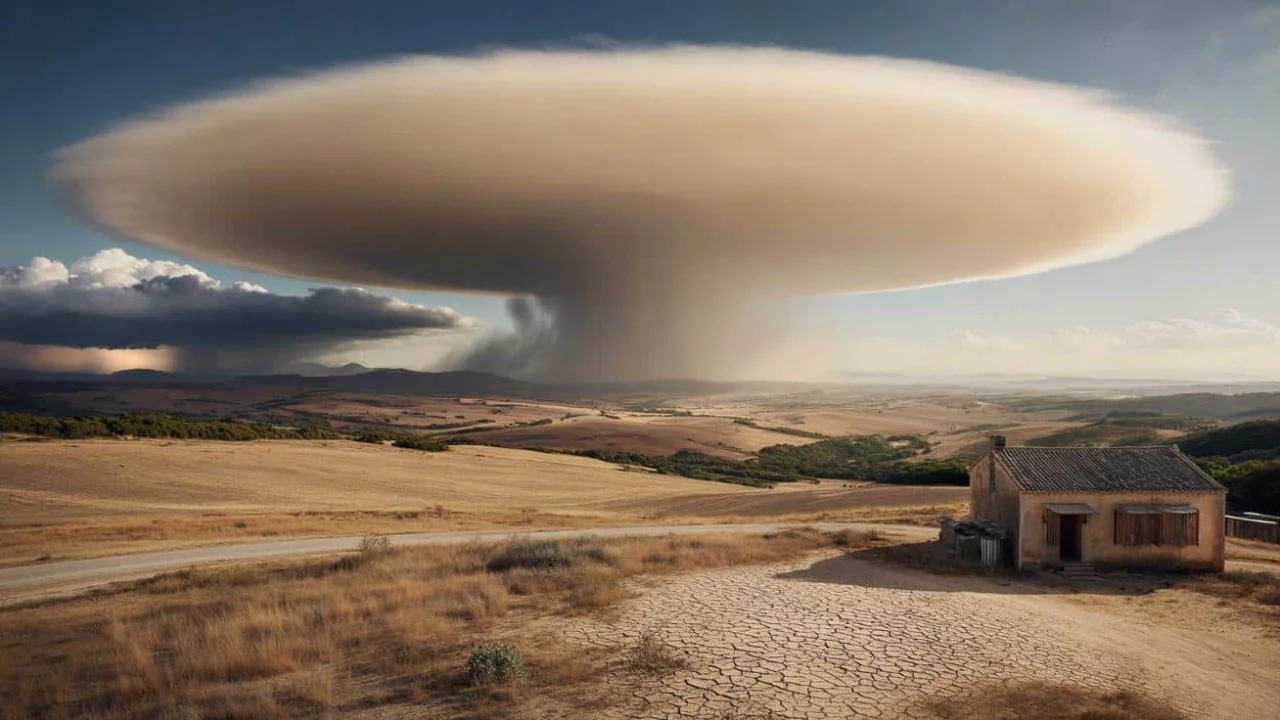
Marie Dubois steps out of her small apartment in Toulouse at 7 AM, already feeling the unusual warmth pressing against her skin. The 74-year-old retiree planned to tend her garden before the heat became unbearable, but even in the early morning, the air feels thick and stagnant. She glances at her outdoor thermometer – 26°C already, and the sun has barely risen. This is exactly what meteorologists across western Europe have been warning about: a powerful high pressure ridge that’s transforming typical late spring weather into something far more menacing.
This atmospheric phenomenon isn’t just another warm spell. Forecasters from France, Portugal, and Spain are tracking an unusually intense weather pattern that has already shattered temperature records and threatens to unleash dangerous heat waves across the region in the coming weeks.
“We’re seeing a very intense ridge of high pressure for this time of year, acting like a heavy lid on the atmosphere and trapping hot, dry air near the ground,” says a senior meteorologist from France’s national weather service.
Current Weather Pattern Analysis
| Region | Temperature Anomaly | Risk Level | Expected Duration |
|---|---|---|---|
| Southern France | +3-4°C above normal | High | Through mid-June |
| Portugal (Inland) | +2-3°C above normal | Very High | Extended period |
| Spain (Central/South) | +4-5°C above normal | Extreme | Ongoing |
| Northern Spain | +2-3°C above normal | Moderate | Variable |
Most Vulnerable Populations Facing Heat Stress
The impact of this high pressure ridge varies dramatically depending on your circumstances and location:
- If you’re an elderly person living alone in an urban area, then you face the highest risk of heat-related health complications due to limited cooling options and potential isolation.
- If you’re a construction worker or outdoor laborer, then your exposure to prolonged heat during peak hours significantly increases your risk of heat exhaustion and dehydration.
- If you have chronic respiratory or cardiovascular conditions, then this weather pattern could trigger serious medical episodes requiring emergency intervention.
- If you’re caring for young children or infants, then you must monitor them constantly as their bodies struggle to regulate temperature in extreme conditions.
- If you live in rural areas without air conditioning, then you’re particularly vulnerable during nighttime hours when temperatures remain elevated.
Immediate Environmental Changes Underway
The atmospheric transformation happening across western Europe involves several interconnected factors that amplify the heat’s intensity:
- If you notice clearer skies than usual, then solar radiation is reaching the ground with minimal atmospheric interference, intensifying surface heating throughout daylight hours.
- If wind speeds seem unusually calm, then the natural cooling effect from Atlantic air masses is severely diminished, allowing hot air to stagnate over land.
- If nighttime temperatures feel uncomfortably warm, then the heat accumulated during the day isn’t dissipating properly, creating a dangerous thermal buildup.
- If soil in your area appears drier than normal, then the ground is heating more rapidly and contributing additional warmth to the overlying air mass.
- If local water bodies seem warmer, then they’re adding moisture to an already stressed atmospheric system, potentially fueling severe thunderstorms along the ridge’s edges.
“The air mass resembles conditions we typically see in mid-July or August. In some Spanish valleys, late-May temperatures already flirted with 40°C,” explains a climatologist specializing in Mediterranean weather patterns.
Temperature Records and Projections
| Location | Recent Peak | Historical Average | Projected June Mean |
|---|---|---|---|
| Canet-en-Roussillon, France | 32°C | 24°C | +1.5°C above normal |
| Guadalquivir Valley, Spain | 39°C | 28°C | +2°C above normal |
| Alentejo, Portugal | 37°C | 26°C | +1.8°C above normal |
| Toulouse, France | 34°C | 25°C | +1.2°C above normal |
Real-World Consequences Across Affected Regions
The persistence of this weather pattern creates cascading effects that extend far beyond uncomfortable temperatures. Emergency services across France, Portugal, and Spain report increased call volumes related to heat-related illnesses, while agricultural regions face early drought stress that could impact crop yields throughout the growing season.
Energy consumption patterns have shifted dramatically as residents and businesses increase air conditioning usage weeks earlier than typical. In Portugal’s interior regions, where temperatures have consistently exceeded 35°C, electricity demand has surged by nearly 15% compared to the same period last year.
Healthcare systems are implementing heat emergency protocols typically reserved for midsummer. Hospitals in Madrid and Lisbon have opened additional cooling centers and extended visiting hours to accommodate family members checking on vulnerable relatives. French authorities activated their national heat plan in select departments, deploying mobile hydration units to outdoor markets and construction sites.
The high pressure ridge also creates dangerous fire conditions across the Iberian Peninsula. Vegetation moisture levels have dropped to critical thresholds in parts of central Spain, where gusty inland winds combine with extreme temperatures to create perfect wildfire conditions. Portuguese firefighting agencies have pre-positioned additional crews in high-risk areas, particularly around the Serra da Estrela and Peneda-Gerês regions.
Tourism infrastructure faces unexpected strain as visitors unprepared for such intense heat overwhelm cooling facilities and medical services. Beach communities along Spain’s Mediterranean coast report unusual numbers of heat-related incidents among tourists who underestimated the early season intensity.
Essential Questions About This Heat Pattern
How long will this high pressure system persist over western Europe?
Current models suggest the pattern will remain dominant through mid-June, with periodic intensification possible during July and August.
What makes this high pressure ridge more dangerous than typical summer heat?
The system arrived unusually early with unprecedented strength, preventing normal nighttime cooling and creating sustained thermal stress.
Which areas face the greatest health risks from this weather pattern?
Urban heat islands in major cities and inland valleys with poor ventilation experience the most dangerous conditions.
Can this ridge trigger severe thunderstorms along its edges?
Yes, intense storms are likely where the hot air mass meets cooler Atlantic systems, particularly over central France.
How should residents prepare for potentially prolonged heat exposure?
Stock adequate water supplies, ensure cooling systems work properly, and identify local cooling centers before temperatures peak.
“When a strong ridge forms over already warmed land, the feedback is powerful. Dry soils heat quickly in the sun, injecting even more warmth into the air and strengthening the pressure pattern,” notes a climate scientist studying Mediterranean heat patterns.
Strategic Response Planning for Extended Heat
The combination of early timing, exceptional intensity, and projected persistence makes this high pressure ridge particularly concerning for public health officials and emergency planners. Unlike typical summer heat waves that develop gradually, this system established itself rapidly while many seasonal cooling infrastructure remained offline.
French health authorities emphasize that traditional heat wave protocols designed for July and August may prove inadequate for managing June heat stress. The psychological factor cannot be ignored – residents haven’t yet mentally prepared for summer’s thermal demands, making them more susceptible to heat-related complications.
Agricultural impacts extend beyond immediate crop stress. Soil moisture deficits established during this early heat episode could persist throughout the growing season, particularly if the atmospheric pattern continues blocking typical Atlantic rainfall. Wine regions across southern France and northern Spain face potential quality and quantity impacts if vine stress occurs during critical flowering and fruit-set periods.
The phenomenon highlights broader changes in European climate patterns, where traditional seasonal boundaries become less predictable. Meteorologists note that the subtropical high-pressure systems typically confined to summer months now appear earlier and with greater intensity, requiring updated forecasting methods and emergency response protocols.
This weather pattern serves as a crucial test case for Europe’s heat adaptation strategies. Cities implementing new cooling initiatives, healthcare systems updating emergency protocols, and agricultural regions developing drought-resistant practices all face real-world evaluation under these extreme conditions. The lessons learned during this episode will likely inform climate resilience planning for decades to come.
As Marie Dubois retreats indoors by mid-morning, her experience reflects millions of western Europeans adapting to a new reality where spring heat rivals traditional summer temperatures. The coming weeks will determine whether this atmospheric pattern represents an isolated extreme event or the beginning of a fundamentally altered seasonal cycle.
Key takeaways from this developing situation:
- The current high pressure ridge over western Europe exhibits unprecedented early-season intensity, creating health risks typically associated with peak summer conditions
- Vulnerable populations including elderly residents, outdoor workers, and those with chronic conditions face immediate danger requiring proactive protective measures
- Long-term implications include potential drought conditions, increased wildfire risk, and stress on energy and healthcare systems unprepared for extended early-season heat