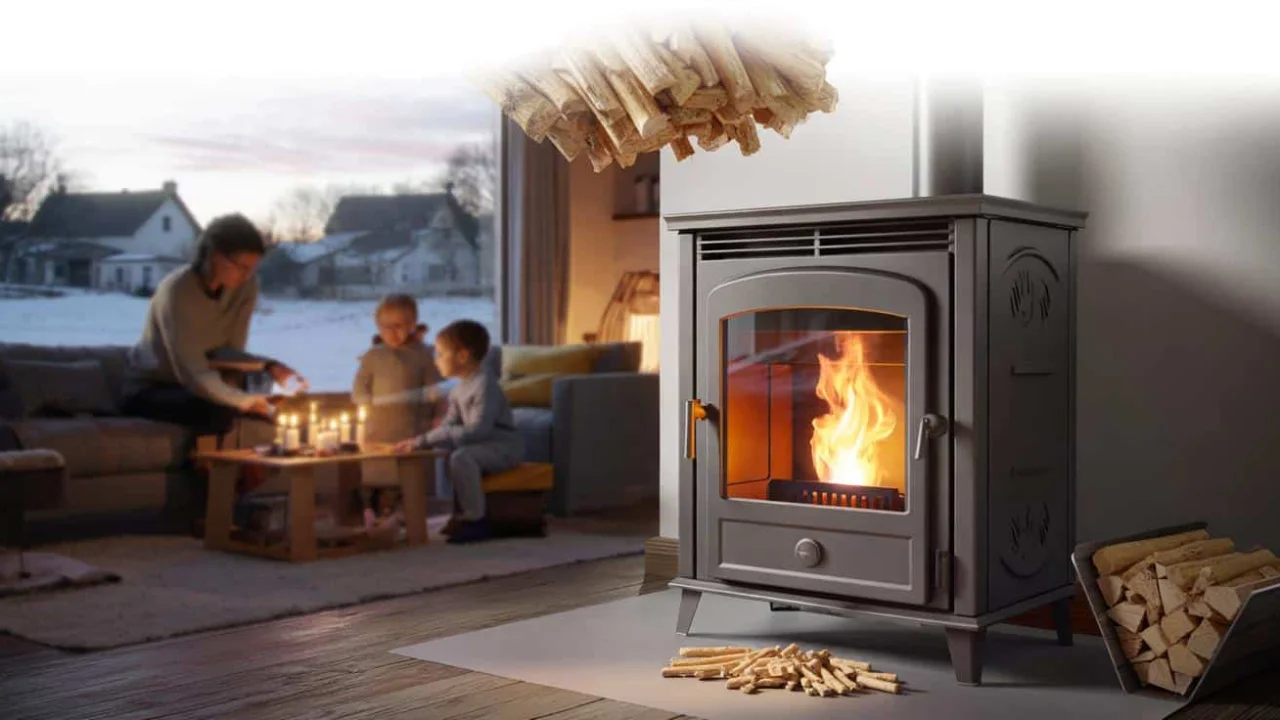
Are you tired of watching your energy bills climb higher each winter? Do you lie awake wondering what would happen if the power went out during the next big storm? Have you started questioning whether your high-tech heating system is really the smartest choice for unpredictable times?
Across France, families are quietly making a shift that’s catching the attention of energy experts and homeowners alike. They’re choosing nonelectric pellet stoves – heating devices that promise warmth, independence, and peace of mind without requiring a single wire or digital control.
| Feature | Electric Pellet Stoves | Nonelectric Pellet Stoves |
|---|---|---|
| Power Requirements | Needs electricity | Zero electricity needed |
| Operation During Outages | Stops working | Continues heating |
| Noise Level | Fan noise present | Silent operation |
| Efficiency Range | 85-90% | 80-85% |
| Maintenance Complexity | Electronic components | Simple mechanical parts |
Rural French Households Lead the Heating Revolution
The movement toward nonelectric pellet stoves isn’t driven by trend-following but by practical necessity. Several key groups are making the switch:
- Rural families experiencing frequent power outages during winter storms
- Mountain communities where grid reliability remains questionable
- Holiday home owners seeking dependable backup heating systems
- Energy-conscious households wanting independence from rising electricity costs
- Older adults preferring simple, mechanical controls over digital interfaces
- Environmental advocates choosing locally-produced wood pellet fuel
Gravity-Fed Systems Replace Electronic Components
The fundamental difference lies in how these devices operate without any electrical connection. Traditional pellet stoves depend on motors, fans, and digital sensors that become useless during power failures.
- Gravity-fed hoppers eliminate the need for motorized auger systems
- Manual ignition replaces electronic startup sequences
- Simple air control levers adjust heat output instead of digital thermostats
- Natural convection and radiant heat replace forced-air circulation
- Cast iron and steel construction reduces electronic failure points
- Mechanical regulators control airflow without sensors or circuits
| Maintenance Task | Frequency | Difficulty Level |
|---|---|---|
| Empty ash tray | Every 1-3 days | Simple |
| Clean glass door | 1-2 times weekly | Easy |
| Check pellet supply | Daily during use | Simple |
| Professional chimney cleaning | Annually | Requires specialist |
“The appeal isn’t just about backup heating anymore. Families are choosing simplicity and reliability over digital complexity,” says a renewable energy consultant specializing in residential heating systems.
Silent Operation Changes Home Atmosphere
Beyond the practical benefits, these stoves transform the living experience in ways many buyers don’t expect. The complete absence of fan noise creates a peaceful environment that rivals traditional wood-burning fireplaces.
The heat distribution feels different too. Instead of forced hot air blowing across rooms, warmth radiates naturally from the stove’s metal surfaces. Cool air naturally rises as it warms, creating gentle circulation patterns that many users describe as more comfortable than conventional heating.
For open-plan homes, bedrooms, or quiet spaces where concentration matters, this silent operation becomes a significant advantage. No more competing with fan noise during conversations or sleep.
“We installed one in our mountain cottage specifically because the old electric stove sounded like an airplane taking off. Now we actually enjoy the quiet evenings,” reports a heating system installer with fifteen years of experience.
Winter Storm Scenarios Reveal True Value
The real test comes during power outages. Picture a January evening when electrical grids fail across rural communities. Electric pellet stoves shut down immediately, leaving homeowners dependent on emergency heating solutions.
Families with nonelectric pellet stoves simply light their units manually and continue normal heating routines. They can close off unused rooms, focus warmth in main living areas, and maintain comfortable temperatures throughout extended outages.
This independence extends beyond emergency situations. As electricity costs rise, these stoves eliminate the ongoing operational expenses associated with running fans, augers, and control systems. The only energy cost becomes the pellets themselves.
Storage and Fuel Considerations
Successful operation requires proper pellet storage planning. A few decorative bags near the stove won’t sustain winter-long heating. Dry, ventilated storage spaces prevent moisture absorption that can cause pellets to disintegrate and clog the gravity-feed system.
Many households store several months’ worth of pellets, treating them like any other winter supply. The fuel burns cleanly, produces minimal ash, and comes from local sawmill waste rather than distant fossil fuel sources.
How much do these stoves typically cost?
Basic models start around €800-1,200, with premium cast iron versions reaching €2,500-3,500.
Can they heat an entire house?
They work best for single rooms or open areas up to 100-150 square meters.
What’s the learning curve for manual operation?
Most users master lighting and air adjustment within the first week of regular use.
Do they require special chimney installations?
Standard pellet stove flues work, though professional assessment ensures proper sizing and safety.
How long do pellets burn in the hopper?
Depending on heat setting, 10-15 kilograms typically provides 12-18 hours of continuous operation.
Are replacement parts readily available?
Simple mechanical components are easier to source and replace than complex electronic parts.
“The shift toward nonelectric models reflects a broader trend where households want technology that serves them, not the other way around. These stoves embody that philosophy perfectly,” observes a policy analyst studying residential energy trends.
Take Action Before Winter Heating Season
If you’re considering a heating system that works regardless of grid conditions, now is the time to research local installers and assess your home’s setup. Schedule consultations during shoulder seasons when professionals have more availability.
Start planning pellet storage solutions and familiarize yourself with local suppliers. Consider how nonelectric pellet stoves might complement your existing heating system rather than replacing it entirely.
Most importantly, don’t wait until the next power outage to realize the value of heating independence. The French families making this transition understood something crucial: in an uncertain energy landscape, the simplest solutions often prove the most reliable.