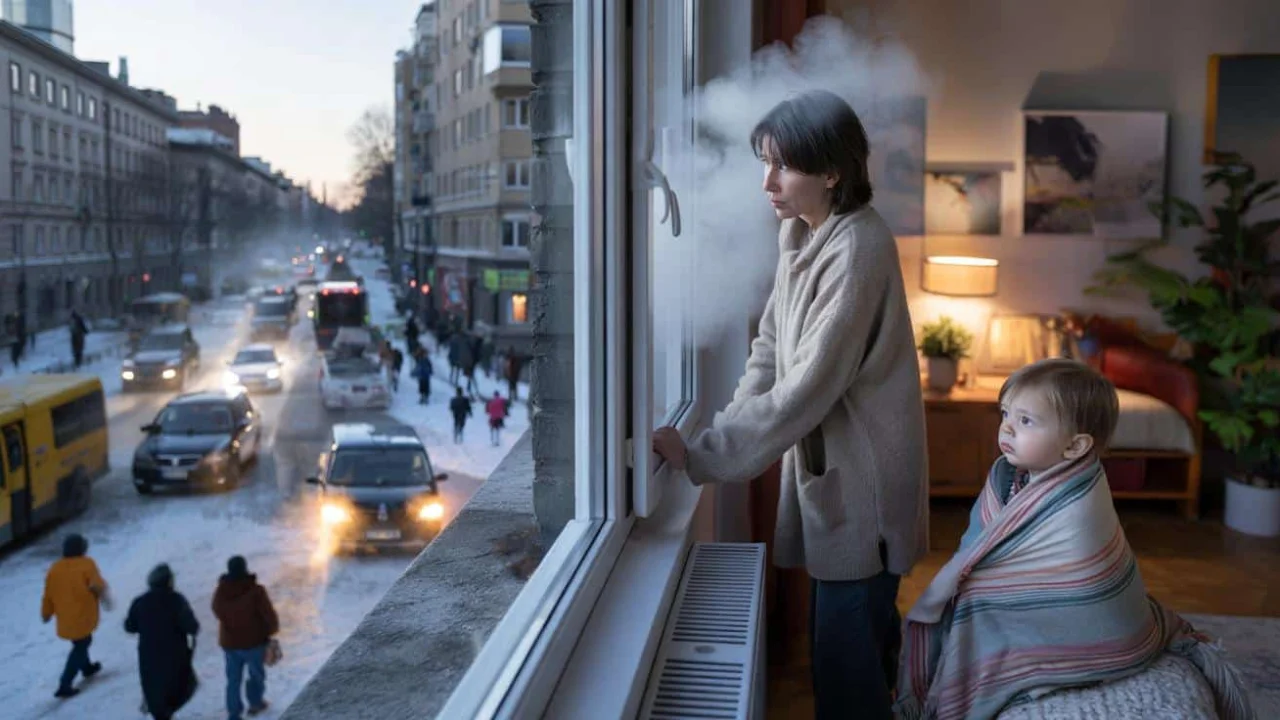
Are you struggling with stuffy winter mornings and reaching for those windows the moment you wake up? Do you find yourself battling unexpectedly high heating bills despite your best efforts to stay warm? What if that simple morning ritual of “freshening up” your home could actually be sabotaging both your health and your wallet?
New research reveals that the timing of winter ventilation matters far more than most homeowners realize. Opening windows between 8am and 10am during cold months exposes families to peak traffic pollution while forcing heating systems to work overtime, creating a perfect storm of health risks and energy waste.
| Factor | 8am-10am Impact | Midday Alternative |
|---|---|---|
| Air Quality | Peak traffic pollution | Cleaner air conditions |
| Temperature | Coldest period | Warmer outdoor temps |
| Energy Loss | Maximum heat waste | Reduced heating costs |
| Health Impact | Higher pollutant exposure | Better respiratory conditions |
Rush Hour Pollution Floods Morning Air
During the morning commute, cities transform into pollution hotspots. Thousands of cold engines struggle to warm up, diesel vehicles spew extra particles, and delivery trucks crowd residential streets. This creates a toxic cocktail right outside bedroom windows.
Winter air pollution concentrates during these peak hours due to temperature inversions and low wind conditions. The invisible lid of cold air traps exhaust fumes at breathing height, exactly where open windows invite contaminated air indoors.
Urban areas experience their worst air quality between 8am and 10am, when traffic volume peaks and atmospheric conditions prevent pollutant dispersal. Opening windows during this critical period essentially imports the day’s dirtiest air directly into living spaces.
Dangerous Pollutants Enter Homes During Peak Hours
- Fine particulate matter (PM2.5 and PM10) that penetrates deep into lung tissue
- Nitrogen dioxide causing respiratory irritation and asthma flare-ups
- Black carbon from diesel engines settling on furniture and fabrics
- Ultrafine particles small enough to enter the bloodstream
- Concentrated exhaust fumes from cold, inefficient engines
- Industrial emissions trapped by winter weather patterns
“Morning rush hour creates the worst possible conditions for home ventilation, combining peak pollution with maximum energy waste,” says an environmental health consultant.
Energy Bills Skyrocket from Poor Timing
Early morning represents the coldest period of each 24-hour cycle. When warm indoor air meets frigid outdoor temperatures through open windows, heating systems must work at maximum capacity to restore comfort levels.
The thermal shock from 8am ventilation forces boilers and heat pumps into overdrive. A typical home can lose 4-6 degrees Celsius within minutes, requiring significant energy to reheat the entire living space.
| Ventilation Time | Outdoor Temperature | Heat Loss Impact | Recovery Cost |
|---|---|---|---|
| 7am-9am | Lowest daily temps | Maximum loss | High energy demand |
| 12pm-2pm | Warmer conditions | Moderate loss | Efficient recovery |
| Late evening | Dropping temps | Pre-night loss | Extended heating |
“Homeowners often overlook how ventilation timing affects their annual heating costs. Strategic scheduling can reduce winter energy consumption by 15-20%,” explains a residential energy efficiency specialist.
Modern Heating Systems Struggle with Temperature Shocks
Contemporary heat pumps and condensing boilers optimize performance through steady operation rather than constant temperature recovery. Frequent thermal shocks from poorly timed ventilation stress these sophisticated systems.
When indoor temperatures plummet suddenly, heating equipment cycles rapidly between low and high output. This pattern reduces component lifespan and increases maintenance requirements while driving up operational costs.
Well-insulated homes lose heat more gradually, but the principle remains unchanged. Even five minutes of early morning airing can create significant thermal disruption that takes hours to fully resolve.
The compounding effect across an entire winter season translates into hundreds of dollars in unnecessary heating expenses for average households. Winter air pollution exposure adds potential healthcare costs to this financial burden.
“Smart ventilation scheduling protects both equipment investment and family health while maintaining excellent indoor air quality,” notes a residential HVAC consultant.
Optimal Ventilation Windows Maximize Benefits
Midday hours between 12pm and 2pm offer the ideal compromise for winter home airing. Outdoor temperatures reach daily peaks, traffic pollution decreases, and sunlight begins warming external building surfaces.
During this favorable period, short but intensive ventilation achieves maximum air exchange with minimal energy penalty. Five to ten minutes of cross-ventilation refreshes indoor air without deeply cooling walls, floors, and furniture.
Strategic timing transforms ventilation from an energy drain into an efficient health maintenance routine. Solid building materials retain warmth and quickly restore comfortable temperatures once windows close.
Practical Implementation Strategies
- Create cross-drafts by opening opposing windows simultaneously
- Focus ventilation efforts on high-humidity areas after activities
- Monitor outdoor air quality indexes before opening windows
- Coordinate with mechanical ventilation systems for optimal results
- Postpone airing during smog alerts or extreme weather
Health Benefits Extend Beyond Pollution Reduction
Avoiding rush hour winter air pollution particularly benefits vulnerable populations including children, elderly residents, and individuals with respiratory conditions. Morning exposure to concentrated traffic emissions can trigger asthma attacks and worsen cardiovascular symptoms.
Cleaner midday air contains fewer ultrafine particles capable of crossing into the bloodstream. This timing reduces inflammatory responses while still providing necessary indoor air renewal.
Consistent implementation of strategic ventilation scheduling creates healthier indoor environments without sacrificing energy efficiency. Families report fewer respiratory symptoms and improved overall comfort during winter months.
Real-World Impact of Simple Schedule Changes
A typical urban apartment switching from 8:15am to 12:30pm ventilation experiences measurable improvements. Residents avoid peak traffic pollution while reducing heating system strain and operational costs.
Heat pump efficiency particularly benefits from avoiding extreme morning temperature differentials. These systems operate most effectively within moderate temperature ranges, making midday scheduling especially valuable.
Larger homes with multiple exposure levels see even greater benefits from strategic timing. The cumulative effect of proper ventilation scheduling compounds throughout winter heating seasons.
Strong>FAQ: Winter Ventilation Timing
Why is 8am-10am the worst time for winter ventilation?
Morning rush hour combines peak traffic pollution with coldest outdoor temperatures, maximizing both health risks and energy waste.
How much can proper timing reduce heating costs?
Strategic ventilation scheduling typically reduces winter heating expenses by 15-20% compared to random timing patterns.
What’s the ideal duration for midday winter airing?
Five to ten minutes of intensive cross-ventilation provides optimal air exchange without excessive heat loss.
Can mechanical ventilation systems replace window opening entirely?
Mechanical systems handle baseline air renewal, but periodic window ventilation remains beneficial for moisture control and air freshness.
How do weather conditions affect optimal ventilation timing?
Monitor outdoor air quality indexes and postpone ventilation during smog alerts or extreme temperature conditions.
What signs indicate poor indoor air quality requiring immediate ventilation?
Persistent condensation, musty odors, or stuffiness suggest immediate air renewal needs regardless of optimal timing.
“Understanding ventilation science empowers homeowners to create healthier, more efficient living environments through simple behavioral adjustments,” emphasizes a building performance analyst.
Take Action for Healthier Winter Living
Start implementing strategic ventilation scheduling immediately to protect your family’s health and reduce energy costs. Monitor your local air quality index and identify the cleanest, warmest hours for home airing.
Shift your morning ventilation routine to midday hours between 12pm and 2pm. Create cross-drafts for maximum efficiency and limit sessions to 5-10 minutes for optimal results.
Track your heating bills over the next month to measure the financial impact of improved timing. The combination of reduced winter air pollution exposure and lower energy costs makes this simple change one of the most effective home health investments available.
Your family deserves clean air and comfortable temperatures without breaking the budget. Strategic ventilation timing delivers both while supporting long-term respiratory health throughout the challenging winter months ahead.