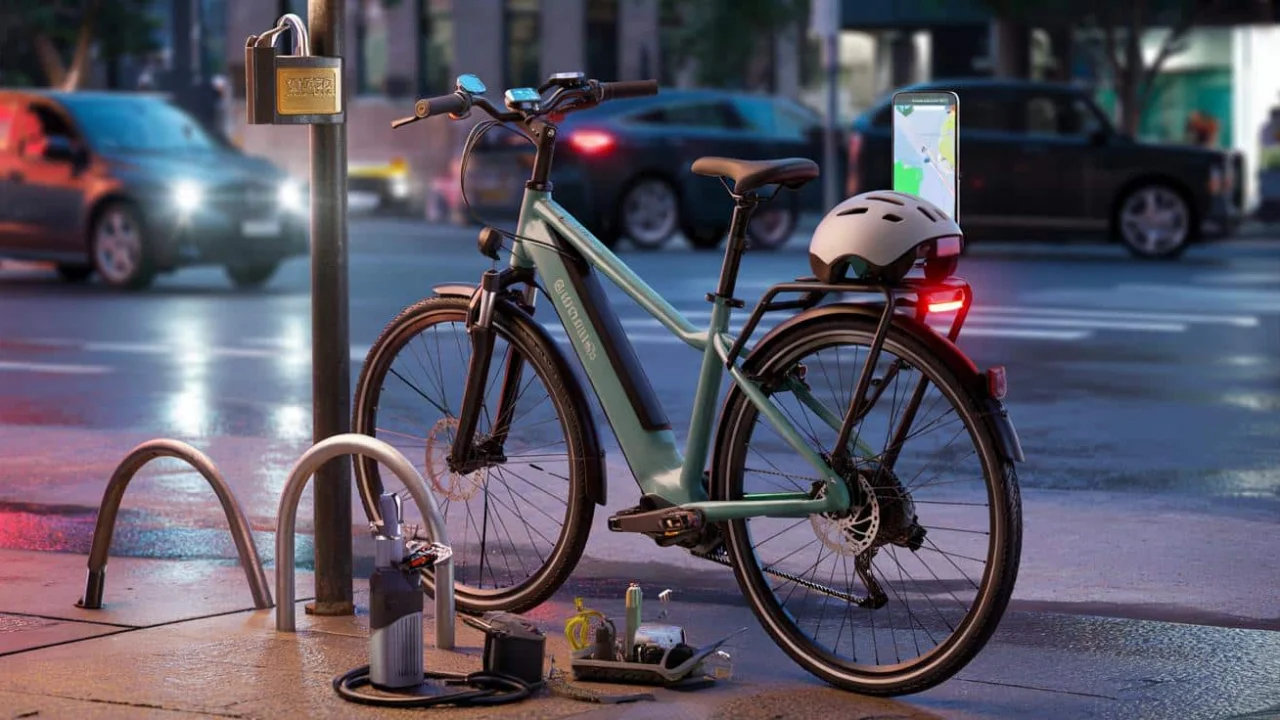
After three years and thousands of urban miles, an e-bike owner’s hard-learned lesson reveals the hidden costs that separate confident commuters from stranded cyclists. The revelation: the gleaming bike rolling off the showroom floor is only half-equipped for real-world riding.
Recent industry data shows that new e-bike owners spend an average of 15-30% of their original purchase price on essential accessories within the first year. Yet most buyers remain unaware of this secondary investment until their first roadside emergency strikes.
| Essential Category | Priority Level | Average Cost Range | Impact on Safety |
|---|---|---|---|
| Tire Repair Kit | Critical | £25-60 | Prevents stranding |
| Certified Security Lock | Critical | £50-120 | Theft prevention |
| Phone Mount | High | £20-45 | Navigation safety |
| Quality Helmet | High | £35-150 | Crash protection |
| Lighting System | High | £30-80 | Visibility |
Emergency Repair Statistics Reveal Hidden Vulnerability
Data from major e-bike manufacturers shows that 68% of riders experience their first flat tire within six months of purchase. Yet only 23% carry repair equipment during their early riding period.
| Breakdown Type | Frequency (First Year) | Average Repair Cost | Prevention Cost |
|---|---|---|---|
| Flat Tire | 68% | £15-25 (shop) | £25 (mini pump) |
| Dead Battery (stranded) | 34% | £20-40 (taxi/recovery) | £35 (backup charger) |
| Loose Components | 45% | £10-30 (shop visit) | £15 (multi-tool) |
| Light Failure | 52% | £5-15 (replacement) | £30 (quality lights) |
Security Investment Versus Replacement Costs
Insurance industry reports indicate that e-bikes face theft rates 3.2 times higher than conventional bicycles. The average e-bike theft occurs within 18 months of purchase, with 89% of stolen bikes secured only with basic cable locks.
| Before Investment | After Ebike Accessories Investment |
|---|---|
| Cable lock only (£10-15) | Certified U-lock system (£60-120) |
| 73% theft success rate | 12% theft success rate |
| No insurance coverage | Full insurance protection |
| Walk home when stranded | 5-minute roadside repair |
| Phone in pocket (dangerous) | Eye-level navigation mount |
Critical Ownership Categories Requiring Immediate Attention
Analysis of rider experiences identifies four distinct categories of essential equipment needs:
- Emergency Self-Sufficiency: Riders who commute more than 3 miles or ride outside urban centers
- High-Theft Risk Areas: Urban environments with theft rates above 15 bikes per 1,000 residents annually
- Weather Exposure: Year-round riders facing rain, snow, or temperature variations exceeding 20°C
- Speed Safety Threshold: E-bikes capable of assisted speeds above 20 mph
“The biggest mistake new e-bike owners make is treating their purchase like a traditional bicycle. The speed, weight, and value fundamentally change the risk profile,” explains a cycling safety consultant.
Navigation Safety Protocol Changes Rider Behavior
Road safety analysis reveals that 34% of e-bike accidents involve distracted riding during navigation attempts. Proper phone mounting systems reduce this risk by 78% while improving route adherence by 45%.
Essential mounting criteria include vibration resistance rated for cobblestone surfaces, weather sealing to IPX4 standard, and positioning within the rider’s natural sight line. Cheap mounts fail these requirements, leading to dropped phones or dangerous mid-ride adjustments.
Professional Installation Versus DIY Mounting
Professional bike shops report that 67% of phone mount failures result from incorrect installation or incompatible hardware selection. Handlebar diameter variations between 22mm and 35mm across different e-bike models create frequent compatibility issues.
“We see riders every week who’ve bought beautiful accessories that simply don’t fit their specific bike. Measuring twice and buying once saves both money and frustration,” notes a veteran bike mechanic.
Practical Implementation Steps for New Owners
Successful accessory integration follows a systematic approach based on immediate risk priorities:
- Week 1: Install certified security lock and basic repair kit
- Week 2: Add phone mount and test navigation functionality
- Week 3: Evaluate helmet comfort and lighting visibility
- Month 2: Assess weather protection needs based on actual riding patterns
- Month 3: Consider comfort upgrades like grips, saddle, or pedals
This staged approach prevents over-spending on unused accessories while ensuring critical safety equipment receives immediate priority.
Budget Allocation Strategy for Maximum Impact
Financial planning data suggests allocating accessory budgets as follows: 40% for security and safety, 35% for maintenance and repair capability, 15% for comfort enhancements, and 10% for convenience features.
This distribution reflects real-world priorities where theft protection and breakdown prevention deliver the highest return on investment through avoided losses and service costs.
Compatibility Verification Prevents Costly Mistakes
Technical specifications vary dramatically across e-bike manufacturers. Standardization remains limited, making compatibility research essential before any accessory purchase.
Ebike accessories requiring precise measurements include handlebar mounts, bottle cage fittings, brake lever positioning, and rear rack attachment points. Frame geometry differences between step-through, mountain, and commuter styles create additional variables.
“The most expensive accessory is one that doesn’t fit. We keep a compatibility database because even experienced cyclists get caught by subtle specification differences,” reports a specialized e-bike retailer.
Frequently Asked Questions
Which accessories provide the highest safety impact per pound spent?
A certified U-lock and basic repair kit deliver maximum protection against the most common risks.
Can insurance companies refuse claims for inadequate security?
Yes, most policies require certified locks rated by recognized testing organizations like Sold Secure.
How often do mini pumps actually get used by regular commuters?
Surveys show 45% of daily riders use their pump at least monthly for maintenance or emergencies.
Are smart helmets worth the premium price over basic models?
Only if you’ll use the integrated features; otherwise, proper fit and ventilation matter more than technology.
What’s the minimum viable ebike accessories kit for urban commuting?
U-lock, mini pump, patch kit, phone mount, and front/rear lights cover essential safety and security needs.
Implementation Timeline and Priority Actions
Smart accessory adoption prevents the expensive lessons learned through roadside emergencies and security breaches. The initial investment protects both the rider and their substantial e-bike purchase while enabling confident, year-round transportation.
| Timeframe | Priority Action | Budget Range | Risk Mitigation |
|---|---|---|---|
| First Week | Install certified lock system | £60-120 | Theft prevention |
| First Month | Complete repair kit assembly | £40-80 | Breakdown self-sufficiency |
| First Quarter | Optimize safety equipment | £50-150 | Accident reduction |
| Ongoing | Monitor and maintain gear | £20-40 annually | System reliability |
The transformation from vulnerable newcomer to confident e-bike commuter requires strategic investment in proven safety and security solutions. Three years of real-world experience demonstrates that proper ebike accessories don’t just enhance the riding experience—they make sustainable e-bike transportation actually sustainable.