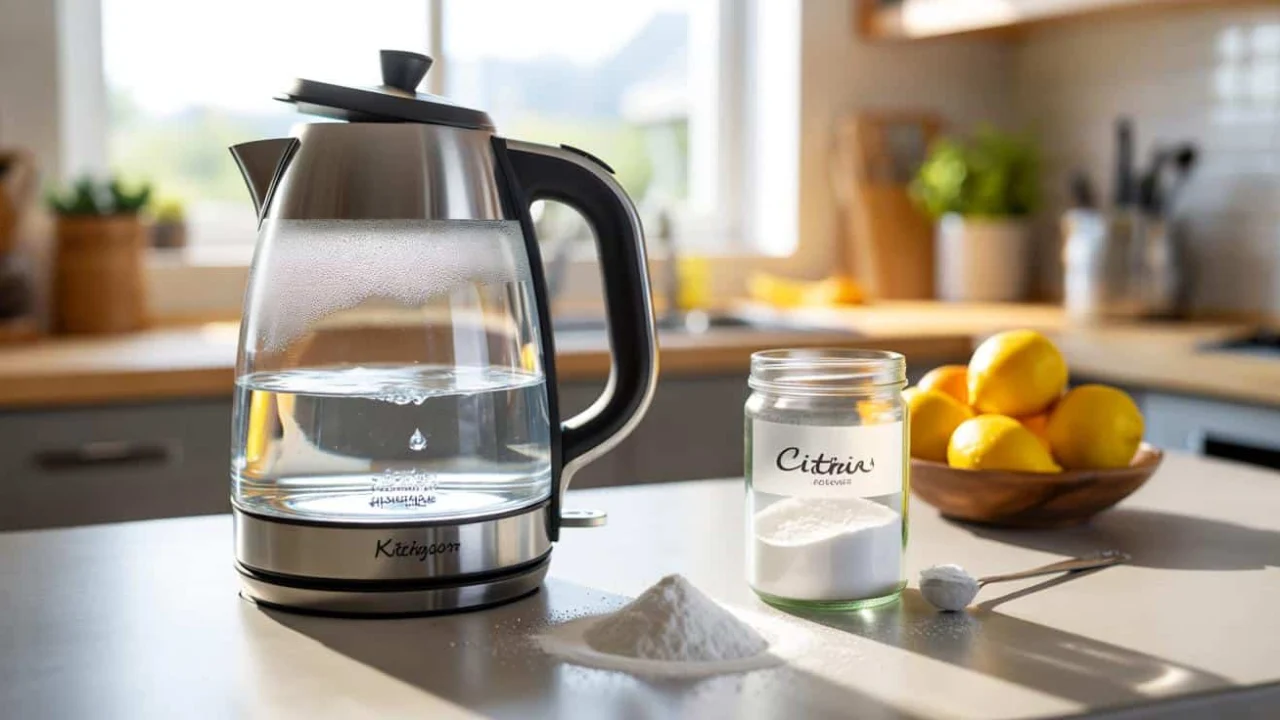
The moment your electric kettle clicks off, signaling boiling water ready for your tea or coffee, is usually something to look forward to. But that excitement can quickly fade when you notice little white flakes floating in the water or crusty scales clinging to the kettle’s interior. This is the unwelcome sign of limescale buildup, especially common in areas with hard tap water. Instead of reaching for harsh chemicals or enduring unpleasant vinegar smell, there is a simple and effective way to restore your kettle without any harsh scrubbing or synthetic cleaners.
Limescale is not dirt in the traditional sense—it is a mineral deposit formed from calcium carbonate that accumulates every time water boils. These deposits can degrade your kettle’s appearance and performance, making the heating element work harder, consume more electricity, and negatively affect the taste of your hot drinks. Thankfully, a natural and gentle method using citric acid powder tackles the problem, requiring only a few easy steps to bring your kettle back to life.
Using store-bought citric acid—a naturally occurring acid found in citrus fruits—avoids the strong odor and scouring effort associated with vinegar or chemical descalers. This food-grade, biodegradable substance dissolves the calcium carbonate deposits effectively, leaving your kettle looking and performing like new.
How limescale forms and why it matters
| Aspect | Details |
|---|---|
| Cause | Hard tap water contains dissolved minerals like calcium carbonate |
| Appearance | White flaky deposits and crusty rings inside the kettle |
| Effect on kettle | Heating element coated; less efficient; longer boiling times |
| Effect on taste | Flat or chalky flavor, especially noticeable in delicate teas |
| Maintenance | Regular descaling prevents buildup and prolongs kettle lifespan |
Repeated boiling causes minerals dissolved in the water to precipitate and stick to hot surfaces inside the kettle. Over time, these layers build up until they become thick enough to resemble an abrasive crust. This not only looks unattractive but also hinders heating efficiency and alters the flavor profile of your drinks.
Why common limescale removal methods fall short
Many resort to household staples like vinegar or commercial descalers to combat limescale, but these options often bring drawbacks. Vinegar, though effective, leaves a lingering odor that can be unpleasant in the kitchen. Moreover, scrubbing with sponges or scourers risks scratching the kettle’s surface, creating tiny crevices where limescale can nest on the next use.
Chemical descalers contain harsh ingredients that can be dangerous if not handled correctly and may leave residues you don’t want in your beverage. Scrubbing and cleaning can also be time-consuming, requiring significant elbow grease and patience.
The simple power of citric acid powder
Citric acid offers a gentle, effective, and virtually scent-free alternative. Commonly found in the food supply, citric acid works by chemically reacting with calcium carbonate deposits to transform them into a water-soluble form, which simply rinses away.
Its mild acidity does not damage metal or glass surfaces like aggressive scrubbing might, preserving the kettle’s finish. This method is sustainable, affordable, and easy to integrate into routine kitchen maintenance.
Step-by-step guide to using citric acid for descaling
| Step | Instruction |
|---|---|
| 1 | Unplug and cool your kettle if recently used |
| 2 | Fill the kettle halfway with cold tap water |
| 3 | Add 1–2 tablespoons of citric acid powder (more in hard water zones) |
| 4 | Swirl gently to dissolve citric acid, then switch the kettle on to boil |
| 5 | After boiling, leave the solution to rest for 20-30 minutes |
| 6 | Pour out the solution and rinse the kettle thoroughly with cold water |
| 7 | Boil fresh water once more then discard it to rinse any residue |
Once completed, your kettle’s interior will look refreshed with softened and loosened limescale residues rinsing away easily. This gentle procedure eliminates the need for tough scrubbing or harsh chemicals.
Maintaining your kettle to avoid heavy limescale buildup
Big cleanings every year may seem like a good idea, but letting limescale accumulate makes the process more daunting and less effective. Instead, a small, regular routine keeps deposits minimal and easy to manage. Checking your kettle every few weeks and performing a citric acid treatment as soon as you notice a thin film or mild scaling can prevent any severe buildup.
Routine care also saves energy by improving heating efficiency and protects your kettle’s longevity. The cost and effort are minimal for the benefits you gain.
Where else can citric acid help with limescale?
This method is not just for kettles. Citric acid is equally valuable for descaling other household appliances that interact with hard water:
- Showerheads
- Taps and faucets
- Coffee machines
- Water heaters
Using gentle acidic treatments regularly prevents mineral buildup that impairs functionality and water flow.
Understanding the benefits beyond cleaning
| Winners | Losers |
|---|---|
| Users seeking a natural, cheap solution | Kettles with extreme damage already severe |
| Kettles serviced regularly maintain efficiency | Those neglecting maintenance face costly replacements |
| Environmentally conscious consumers | Harsh chemical descaler manufacturers |
| Kitchens free from vinegar smells and scrubbing hassle | Consumers allergic or sensitive to strong odors |
Adopting citric acid as a standard for minor kitchen maintenance offers a sustainable win for households. It combines convenience, safety, and impressive results without the common pitfalls of other descaling methods.
Experts share their view on this simple trick
“Citric acid is a fantastic approach for limescale issues—it’s effective, safe, and fits into busy lifestyles with ease. I recommend it for anyone struggling with kettle maintenance, especially in hard water areas.”
— Dr. Jane Connolly, Home Chemistry Specialist
“Using citric acid regularly can extend the lifespan of your kettle significantly while keeping your drinks tasting fresh. It’s a game-changer compared to traditional vinegar methods.”
— Mark Peebles, Appliance Maintenance Expert
Common questions about removing limescale with citric acid
Is citric acid safe to use in my kettle?
Yes, citric acid is food-grade, biodegradable, and safe for household use. It poses no health risk when rinsed properly.
How often should I descale my kettle using citric acid?
Typically, once every 1-2 months is sufficient, but this depends on your water hardness and frequency of use.
Can citric acid remove very thick limescale buildup?
It works best for regular, moderate maintenance. Severe buildup might require longer soaking or repeated treatments.
Will using citric acid affect the taste of my tea or coffee?
No, proper rinsing ensures no residual taste or odor remains after treatment.
Can I use lemon juice instead of citric acid powder?
Lemon juice contains citric acid but is less concentrated and may be less effective for descaling.
Is it necessary to boil the kettle after rinsing?
Yes, boiling fresh water and discarding it ensures any residue is fully removed.
Will citric acid damage the kettle’s heating element?
No, the solution is gentle and does not harm metal or glass surfaces when used as recommended.
Can I store citric acid powder for a long time?
Yes, store it in a dry, airtight container; it remains effective for up to a year or more.
What causes limescale buildup in electric kettles?
Limescale buildup is caused by minerals like calcium carbonate found in hard tap water, which precipitate and stick to hot surfaces inside the kettle during boiling.
Why is it important to remove limescale from an electric kettle?
Removing limescale is important because it can degrade the kettleu2019s appearance and performance, make the heating element work harder, increase electricity consumption, and negatively affect the taste of hot drinks.
How does citric acid help in cleaning limescale buildup?
Citric acid is a natural, food-grade acid that dissolves calcium carbonate deposits effectively, making it easy to clean limescale without harsh odors or scrubbing.
How is citric acid better than vinegar or chemical descalers for cleaning kettles?
Citric acid avoids the strong odor of vinegar and does not require harsh scrubbing unlike chemical descalers, making it a gentler and more pleasant cleaning option.
What are the visible signs of limescale buildup inside a kettle?
Visible signs include white flaky deposits and crusty rings on the interior surfaces of the kettle.
How can regular descaling with citric acid benefit the lifespan of a kettle?
Regular descaling with citric acid prevents mineral buildup, keeping the heating element efficient and prolonging the kettleu2019s lifespan.