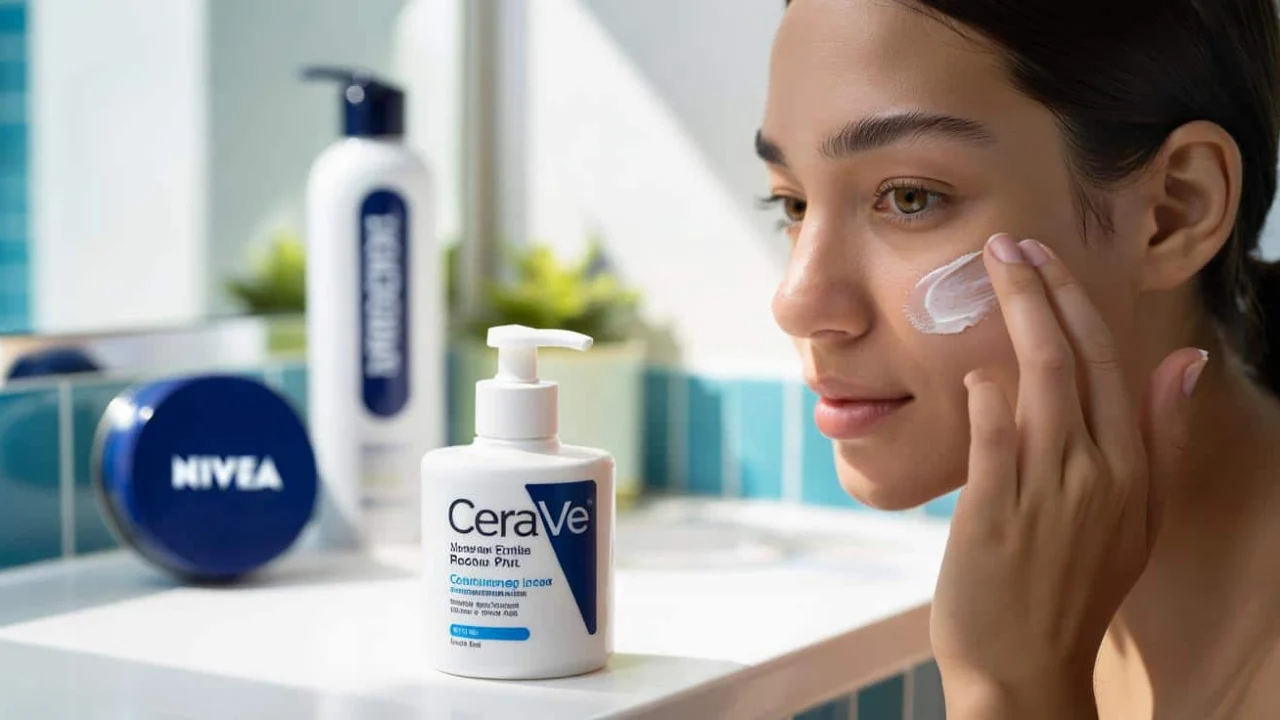
In the bustling aisles of pharmacies where classic skincare giants like Nivea and Neutrogena once dominated, a subtle shift is quietly reshaping consumer and expert preferences. The familiar dance of choosing between these well-known names has given way to a new contender rising steadily to the top of skincare expert recommendations: CeraVe Moisturizing Cream. While it lacks the nostalgic blue tin or slick marketing campaigns, this cream has become a go-to for dermatologists and skincare aficionados seeking long-term hydration and skin health.
This shift is not merely about brand loyalty or packaging but about science-backed formulation that prioritizes skin barrier repair and sustained hydration. Unlike traditional creams that create an occlusive layer or abundant humectants that draw moisture temporarily, CeraVe delivers a balance of essential ingredients with proven skin benefits. What makes this moisturizer stand apart is its understated efficiency – quietly supporting skin resilience and hydration without hype.
As we move through 2026, the conversation around moisturizers is evolving from quick fixes and sensory appeal to foundational skin health. This article explores why dermatologists are now recommending CeraVe Moisturizing Cream as the new number one in hydration, how it fits into a minimalist skincare routine, and what that means for the future of skincare products.
Why CeraVe Moisturizing Cream Stands Out Today| Feature | Description |
|---|---|
| Key Ingredients | Ceramides, Glycerin, and MVE Slow-Release Technology |
| Skin Barrier Support | Repairs and strengthens the skin’s natural protective barrier |
| Hydration Method | Provides sustained hydration via slow-release delivery |
| Formulation Style | Gentle, fragrance-free, non-irritating suitable for sensitive skin |
| Usage Recommendations | Twice daily application, especially for dry or sensitive skin |
| Price Point | Affordable and accessible in pharmacies worldwide |
Why Classic Moisturizers Are Losing Ground
For decades, skincare consumers favored heavy, occlusive creams or lightweight formulas packed with humectants. Brands like Nivea gained popularity for their comforting, thick textures that lock in moisture but can sometimes feel greasy or heavy. Meanwhile, Neutrogena carved a niche with lighter, quickly absorbing gels and lotions that delivered immediate hydration but did not prioritize skin barrier repair.
However, dermatologists now emphasize that skin barrier integrity is the foundation for healthy, resilient skin. Classic moisturizers often focus on temporary softness, which can mask persistent dryness or irritation underneath. This leads to a vicious cycle of over-application and dependence on potent exfoliants or serums that may disrupt skin balance.
By prioritizing barrier repair, CeraVe’s formulation counters this trend, encouraging healthier skin function and reducing common issues such as redness, sensitivity, and dehydration over time.
Understanding the Science Behind CeraVe
CeraVe Moisturizing Cream combines three essential ceramides with glycerin and a patented MultiVesicular Emulsion (MVE) technology that slowly releases moisturizing ingredients over time. Ceramides are lipid molecules naturally present in the skin barrier, often depleted by environmental stressors, aging, and harsh skincare products. Replenishing ceramides supports the “bricks and mortar” structure of the skin, preventing water loss and protecting against irritants.
Unlike creams that either seal moisture in with occlusives or pull water in transiently with humectants, CeraVe’s slow-release mechanism ensures skin remains hydrated evenly over several hours. This results in less dryness, reduced redness, and a more balanced, less reactive complexion.
“When patients stop chasing glow and start feeding their barrier, everything stabilizes. Redness goes down, breakouts calm, even fine lines look softer because the skin finally holds onto water.”
— Dr. Léa Martin, Dermatologist
How to Incorporate CeraVe Moisturizing Cream Into Your Routine
Simplicity is key in maximizing the benefits of this moisturizer. Dermatologists recommend starting with a gentle, low-foam cleanser to avoid stripping the skin of natural oils. After cleansing, gently pat the skin dry while it remains slightly damp to help lock in moisture.
Use a small almond-sized amount of CeraVe Moisturizing Cream, warming it between your fingers before pressing it gently into the skin. Avoid harsh rubbing, which can cause irritation. For stubbornly dry or sensitive skin, apply a thin layer in the morning under broad-spectrum sunscreen and a more generous layer before bed.
Many users mistakenly over-apply the cream, expecting an immediate “luxury” feel. This often leads to heaviness or greasiness. Remember, this product is designed for consistent barrier repair, not instant radiance or a whipped texture.
Why Experts Recommend a ‘Barrier Month’
Modern skincare trends often push consumers to constantly layer new products, exfoliate frequently, or chase glowing complexions with various active ingredients. Experts now caution that such routines may actually disrupt the skin barrier, causing chronic dryness, sensitivity, and inflammation.
A growing number of dermatologists suggest taking a “barrier month”: a full 30 days of simplifying skincare down to just three steps—gentle cleanser, CeraVe Moisturizing Cream, and broad-spectrum sunscreen. This allows the skin time to heal and reinforce its natural defenses.
Results after a barrier month often include reduced redness, fewer breakouts, softer fine lines, and improved makeup application. Users frequently describe the experience as transformative, finally seeing the results of true foundational care rather than quick fixes.
How CeraVe Fits Current Skin Health and Consumer Trends
CeraVe’s rise highlights broader changes in skincare attitudes. Consumers today seek products that combine four important elements:
- Scientific backing supported by dermatologists and skin researchers.
- Affordability that makes effective skincare accessible.
- Simplicity to avoid complicated regimens and irritation.
- Multi-purpose usability for both face and body skin.
Standing at the crossroads of these trends, CeraVe Moisturizing Cream proves that effective skincare need not be expensive, complicated, or scented. It underscores an evidence-based approach where consistency trumps novelty, and barrier health is the ultimate skin goal.
Winners and Losers in the Current Moisturizer Landscape| Category | Winners | Losers |
|---|---|---|
| Hydration Approach | CeraVe’s ceramide + MVE slow-release system | Heavy occlusives that feel greasy; ultra-light gels lacking barrier support |
| Skin Barrier Focus | Products emphasizing barrier repair and resilience | Moisturizers focused only on immediate softness or glow |
| Routine Complexity | Minimalist skincare incorporating barrier-friendly products | Multi-step routines with harsh exfoliants and conflicting actives |
| Accessibility | CeraVe—widely available at an affordable price point | High-end luxury creams with limited clinical evidence |
Frequently Asked Questions About CeraVe Moisturizing Cream
Is CeraVe Moisturizing Cream suitable for sensitive skin?
Yes, its gentle, fragrance-free formulation with barrier-repairing ceramides makes it ideal for sensitive and dry skin types.
Can I use CeraVe Cream on my face and body?
Absolutely. It is formulated to work well on both face and body, providing consistent hydration and barrier support.
How much cream should I apply each time?
A small almond-sized amount is sufficient for the face. Applying more can feel heavy without added benefit.
Can I layer CeraVe over acne treatments or exfoliants?
CeraVe works best when your routine is simple and non-aggressive. Overusing exfoliants can negate its barrier benefits.
Is it okay to use CeraVe under makeup?
Yes, many users report better makeup adherence and fewer dry patches after switching to CeraVe.
Do I need to use other serums or active ingredients with CeraVe?
While serums can be useful, starting with a solid barrier repair foundation like CeraVe is often more beneficial.
How long until I see results from using CeraVe?
Most people notice improved hydration and reduced redness within a few weeks of consistent use.
Should I use CeraVe Moisturizing Cream year-round?
Yes, maintaining the skin barrier is essential in all seasons, with adjustments in layering depending on skin needs.
Why are dermatologists recommending CeraVe Moisturizing Cream over Nivea and Neutrogena?
Dermatologists prefer CeraVe Moisturizing Cream because its science-backed formulation focuses on skin barrier repair and sustained hydration, unlike traditional creams that offer temporary moisture or rely on occlusive layers.
What are the key ingredients in CeraVe Moisturizing Cream that benefit the skin?
CeraVe Moisturizing Cream contains ceramides, glycerin, and MVE slow-release technology, which work together to repair the skin barrier and provide long-lasting hydration.
How does CeraVe Moisturizing Cream provide hydration differently than other moisturizers?
It uses MVE slow-release technology to deliver hydration gradually and consistently, ensuring sustained moisture rather than a temporary effect.
Is CeraVe Moisturizing Cream suitable for sensitive skin?
Yes, the cream is gentle, fragrance-free, and non-irritating, making it suitable for sensitive skin types.
How often should CeraVe Moisturizing Cream be applied for best results?
It is recommended to apply CeraVe Moisturizing Cream twice daily, especially for individuals with dry or sensitive skin.
How does the cost of CeraVe Moisturizing Cream compare to other popular moisturizing brands?
CeraVe Moisturizing Cream is affordable and accessible, offering effective hydration without a high price point.