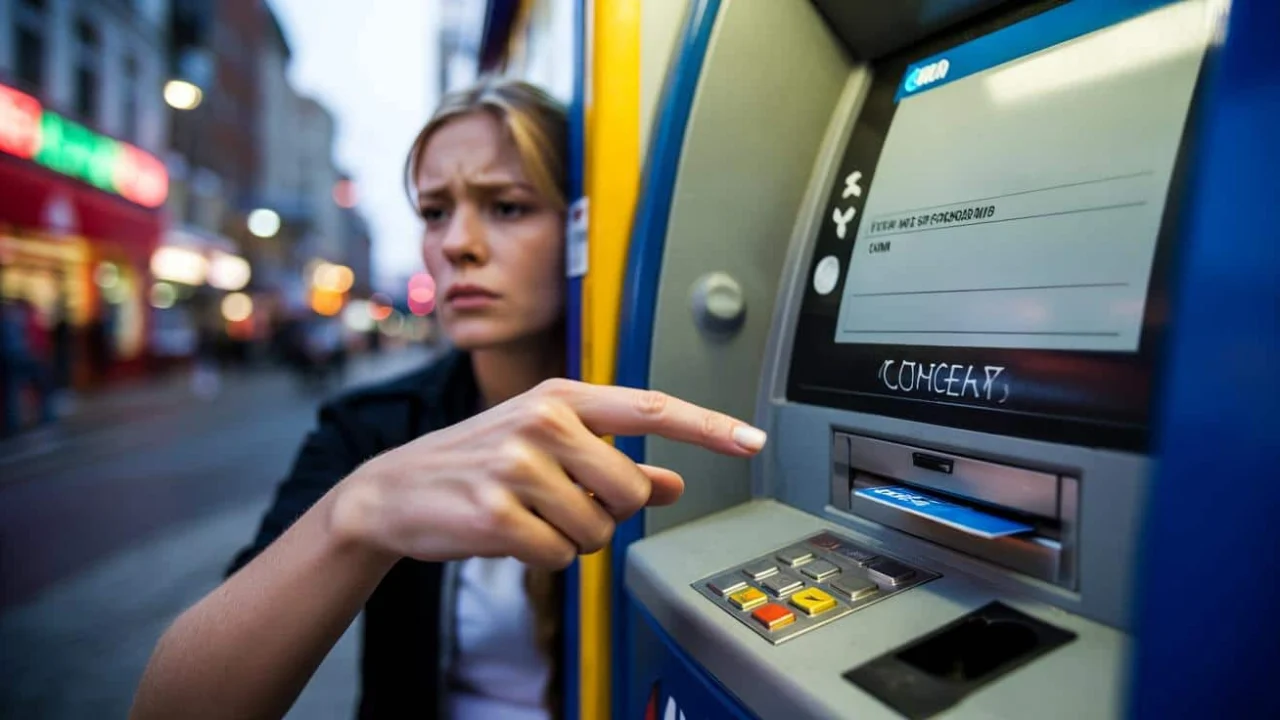
Standing at an ATM when your bank card suddenly disappears into the machine can trigger an immediate rush of anxiety. You expect to retrieve your card swiftly, but the slot remains closed, the screen blank or frozen, and your card nowhere to be seen. That small moment of uncertainty can feel enormous—questions race through your mind about blocked accounts, fraud, long waits for assistance, or even the risk of losing your card to someone else nearby. Yet, before you resign yourself to contacting your bank or waiting for help, there is a surprisingly simple technique that can often recover your card within seconds.
This quick, calm action isn’t about hacking the system or forcing the machine; it’s about understanding the ATM’s logic and gently nudging it back to normal operation. When an ATM “keeps” your card due to a technical hiccup, a security check, or a mistaken block, those initial moments after a malfunction hold a window to reverse the error. Learning how to wake up the machine and prompt it to eject your card can save you hours of stress and delays, turning a potential disaster into a minor inconvenience.
Many users don’t realize that modern ATMs are designed to automatically return cards under certain conditions if their session isn’t fully closed. By triggering a new transaction attempt or pressing “Cancel” on the screen, you encourage the ATM’s software to reset its process and release your card back to you. This method requires patience, awareness, and a specific sequence of actions, but it works frequently enough to be recommended quietly by bank staff and technology insiders.
Understanding why ATMs keep cards, the best way to respond calmly, and the precise steps to take can empower you the next time you face this frustrating situation. Staying composed and knowing what to do gives you a tangible advantage over the cold, impersonal machine – and helps protect your finances and peace of mind.
| Reason for Card Retention | Description |
|---|---|
| Multiple Incorrect PIN Entries | Card is blocked for security after repeated wrong PIN attempts. |
| Suspected Fraud | Bank’s fraud detection triggers card capture for security verification. |
| Technical Failure | Machine errors, power interruptions, or software glitches cause card to be retained. |
Why ATMs Sometimes Keep Your Card
It’s important to understand the main reasons an ATM might hold onto your bank card. Most typically, this happens when the machine detects suspicious activity, such as several failed PIN attempts, or when it triggers a built-in security protection. The bank’s algorithms may decide to block card access temporarily to prevent fraud. Alternatively, the issue may be purely technical—power outages, unstable software, or hardware malfunctions can lead to the ATM trapping cards internally.
Under these conditions, the machine is not being deliberately uncooperative; it is following programmed protocols meant to protect customers. Unfortunately, this safety measure often leads to inconvenience. Customers might be forced to wait outside branch hours, as recounted by people stuck early Monday mornings, or endure long waits for bank technician arrival. Even worse, some abandon their cards, unaware that retrieval is possible without immediate help.
How to Use the “Wake-Up” Move to Retrieve Your Card
Rather than panicking or repeatedly pressing buttons, the best approach is to remain right in front of the machine and gently reset its session. Here is the step-by-step process recommended by experienced banking professionals:
- Keep calm and stay put: Don’t walk away or attempt to reinsert a different card as this can complicate matters.
- Touch the screen firmly: Tap the screen to wake the ATM from its frozen or error state.
- Start a new transaction: Without inserting a card, select a language or tap an option like “Balance inquiry without card” if available.
- Press “Cancel” once: This often triggers a session reset that prompts the ATM to reevaluate its card retention logic.
- Wait patiently: Give the machine about 30 to 60 seconds. In many cases, you may hear a faint internal noise indicating a card ejection process.
- Do not repeatedly press keys or insert other cards: This may mark suspicious behavior and won’t speed up card release.
This technique essentially nudges the ATM’s software to reverse an incomplete transaction and automatically push the card back out through the slot.
Common Mistakes That Prevent Card Recovery
The most frequent errors people make when their card is swallowed include:
- Abandoning the machine too quickly: Many users leave immediately in frustration, missing the card release that often occurs within a minute afterward.
- Repeatedly inserting cards: Attempting multiple card insertions or trying different cards can confuse the ATM or lock it further.
- Frantically pressing buttons: This may not help and could trigger security alarms or suspicious logs.
- Not staying alert to surroundings: Discussing the problem loudly risks attracting scammers or unwanted attention.
Remaining composed and following the simple “wake-up” action allows the machine’s safety protocol to kick in and potentially resolve the issue.
| Best Practices | Actions to Avoid |
|---|---|
| Stay calm and present at the ATM | Walk away immediately |
| Tap screen to wake machine | Repeatedly press random keys |
| Press “Cancel” once and wait | Insert multiple cards |
| Wait 30–60 seconds patiently | Discuss card loss loudly in public |
Psychological Benefits of Knowing the Technique
When your card is swallowed, the initial feeling is often helplessness and stress. Knowing the simple trick to retrieve your card, however, transforms you from a victim of circumstance to an active problem solver. This knowledge empowers you to act with calm purpose rather than frustration or panic.
The sense of control helps reduce stress hormones and increase alertness, which is crucial in public spaces. You become able to watch your surroundings carefully and avoid drawing attention to your vulnerability. In a world where scams around ATMs are common, this mental edge can protect you from predatory “helpers” who listen for keywords like “card” and “PIN.”
When to Call Your Bank for Help
If after a couple of reset attempts and patient waiting your card does not reappear, it’s time to escalate the situation. Safely take a photo of the ATM screen and note the time and error messages. These details will help your bank’s customer service diagnose the issue.
Contact your bank using the number printed on the ATM or your bank’s official contact channels. Describe the issue calmly and provide the details you gathered. A technician or bank representative may remotely release your card, or you may need to visit a branch to retrieve it.
“Customers often leave the ATM too fast. Machines will eject retained cards after a brief freeze, but the key is to stay calm and wait patiently.”
— Bank Technician, Major European Bank
How ATM Software and Security Impact Card Retention
ATM manufacturers and banks program machines to maximize customer security and reduce fraud risk. As a result, retention mechanisms trigger in three primary situations: repeated PIN errors, suspected fraud, and technical failures. The software attempts to hold on to the card to prevent unauthorized use.
During these events, the machine opens a “transaction session” internally. If this session remains open or semi-active, a reset command from the user interface often instructs the ATM to eject the card before the session terminates fully. However, once the transaction session closes or the machine is rebooted entirely, cards may be retrieved only by bank staff.
Technology’s Role in Card Recovery Times
ATM models widely differ in how quickly they respond to reset commands and eject trapped cards. Newer machines tend to process resets and return cards faster, while older models may take longer or require manual intervention. Power glitches and connectivity also influence the responsiveness.
Patience and strategic timing in the critical first two minutes allow you to maximize the odds of a successful, frictionless card recovery.
Frequently Asked Questions
Why does my ATM sometimes keep my card without warning?
ATMs retain cards mainly as a security measure after multiple failed PIN entries, suspected fraudulent activity, or because of technical or power issues.
How long should I wait before giving up on the card retrieval technique?
Wait around 30 to 60 seconds after “waking” the machine and pressing “Cancel.” If the card does not eject within two attempts, call your bank for assistance.
Can inserting another card help get my trapped card back?
No, inserting another card can complicate the machine’s operation and may trigger security locks.
What should I do if the ATM is located outside banking hours?
Try the reset technique calmly, then contact your bank. Some banks can arrange out-of-hours retrieval or remote card release.
Is the card retrieval technique safe to perform?
Yes. This method simply triggers a built-in safety reset within the ATM; it does not hack or manipulate the system in any harmful way.
What if I hear a noise from the ATM during this process?
A brief internal sound often indicates the machine is ejecting the card. Stay patient and watch for the card to slide out slowly.
Can the machine log my reset attempts as suspicious behavior?
Yes, repeatedly pressing keys frantically may be flagged, so limit your attempts to two or three within a few minutes.
How can I protect myself from scammers at the ATM?
Stay quiet about your issue, be aware of your surroundings, and never share your PIN or card details with strangers offering help.
Why does an ATM keep my bank card unexpectedly?
An ATM may keep your card due to technical hiccups, security checks, mistaken blocks, or multiple incorrect PIN entries. These measures are designed to protect your account and prevent fraud.
What should I do immediately if an ATM keeps my card?
Try to stay calm and avoid forcing the machine. Press the u201cCancelu201d button or try triggering a new transaction attempt. This can prompt the ATM to reset its process and eject your card.
Can pressing u201cCancelu201d really help get my card back?
Yes. Modern ATMs are designed to return cards automatically if the current session isnu2019t fully closed. Pressing u201cCancelu201d can encourage the software to reset and release your card.
How does understanding ATM logic help in retrieving a stuck card?
Knowing that the ATM follows specific transaction protocols allows you to gently nudge the machine into resuming or canceling the operation, which often results in your card being ejected without needing external help.
What should I avoid doing if my card is kept by an ATM?
Avoid forcing the card slot, leaving the machine unattended for long periods, or panicking. These actions can prolong the problem or increase the risk of card loss or theft.
When should I contact my bank if my card is retained by the ATM?
If attempts to retrieve your card by canceling or resetting the transaction fail, or if the machine screen is completely blank and unresponsive, you should contact your bank immediately for assistance.