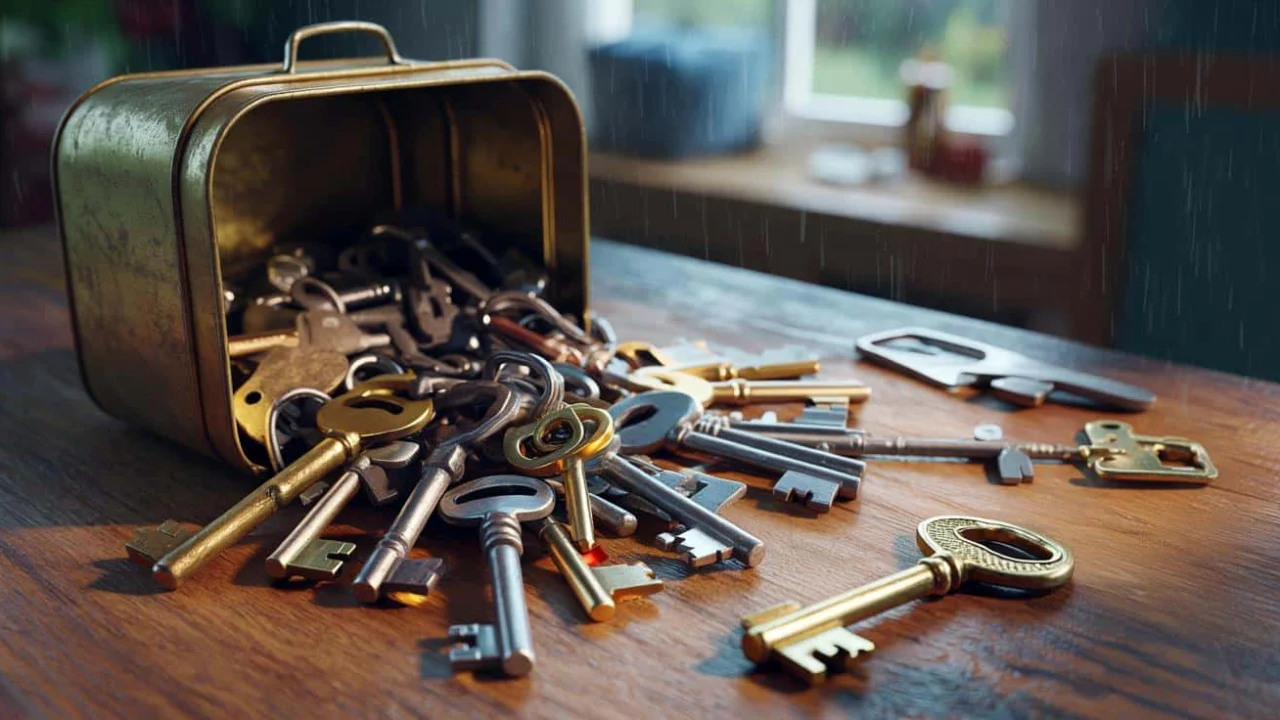
You might have a dusty tin or a tangled bunch of keys hidden away in a drawer—keys you’ve moved around for years, forgotten and unappreciated. They could be old house keys, rusted bike keys, or mysterious brass skeleton keys you don’t recall ever using. To many, these keys seem like mere clutter, relics of past homes and doors long closed. Yet, what if within your collection lies an unexpected treasure? Surprisingly, some old keys hold real value today, snapping from mere nostalgia into sought-after collectibles and artistic material.
The value of old keys is a niche but thriving market, fuelled by collectors, artists, restorers, and nostalgics who see beyond the metal. Whether it’s a rare design, a specific era’s craftsmanship, or a key linked to a cherished but vanished location, these small metal objects can fetch prices that might make you rethink tossing them in the bin. This article explores why your old keys might be worth more than you think and how to spot those hidden gems.
What makes old keys valuable beyond their age
Many assume the older a key, the more valuable it must be. While age plays a role, rarity, design, and historical significance often have an even greater impact. Keys crafted from solid brass, bronze, or silver alloys are frequently more sought after than modern zinc or cheap metal duplicates. The form matters too: skeleton keys, ornate bows with intricate designs, branded keys from famous hotels or factories, and chunky industrial types from trains or machinery have a strong collector appeal.
Condition is important but nuanced. A light patina can add charm and authenticate a key’s age. However, bent, broken, or severely corroded keys generally lose value—unless bought for metal or artistic purposes. Artists and designers working with metal sometimes acquire keys in bulk for creative projects, valuing the raw material and unique shapes over perfect condition.
Stories behind keys fueling collector interest
Beyond material and design, the stories tied to keys deepen their allure. A Victorian skeleton key you inherited from grandparents is not just a piece of metal; it’s a key to a vanished world. For collectors and restorers, such keys may be the missing piece for restoring antique furniture or preserving history. For example, one woman discovered an ornate Victorian key buried in her junk drawer which sold for €60 after a collector spotted it online—valuable not for what it opened, but for the story behind it.
Keys from demolished landmarks—like old cinemas, railway stations, or defunct hotels—carry nostalgia and a palpable connection to lost places. Fans and locals often hunt for these relics to capture a small, tangible fragment of history, making them surprisingly valuable. The fading craft of traditional locksmithing also increases demand, as authentic antique keys become scarcer with time.
How to identify and assess your old keys
Before rushing to discard or sell, start by sorting your keys carefully. Separate modern duplicates from older, more mysterious keys. Group keys bearing logos or distinctive markings—such as hotel names, car brands, or industrial engravings—into a “branded” pile. Spread them openly in good light, allowing a clear view of each key’s features.
| Aspect | What to look for | Why it matters |
|---|---|---|
| Material | Brass, bronze, silver alloys versus zinc or simple metals | Higher quality metals tend to have greater value |
| Form | Skeleton keys, ornate designs, branded keys | Unique shapes and designs attract collectors and artists |
| Condition | Patina vs corrosion, intact vs bent or broken | Good condition is preferable but some buyers prioritize material |
| Markings | Engravings, logos, numbers | Clues for identifying age, origin, and rarity |
| Provenance | Known history or association with significant locations | Enhances collectible and nostalgic appeal |
Photograph your most unusual keys clearly—from all angles and close-ups of any markings. Search online using descriptions like “vintage hotel key brass” or “antique skeleton key Schlage.” Use auction sites and collector forums to gauge interest and pricing trends. Avoid assumptions—some common keys hold little value, while a single rare find can surprise you.
When and where to seek expert opinions
Determining value can sometimes be tricky. Locksmiths, antique dealers, and experienced collectors have the expertise to spot truly valuable pieces quickly. Many professionals offer free appraisals if you present a small, curated collection rather than an overwhelming pile. Don’t fall prey to lowball offers, especially from buyers wanting your entire lot for a few euros. This can indicate they recognize hidden value you might have missed.
“Keys are like coins. Ninety percent are just metal. The last ten percent tell a story, and that’s where the value lies.”
— Retired Locksmith, Expert Appraiser
Engaging a specialist can guide you towards the best route—whether it’s selling a prized key at auction, offering it to collectors, or donating it for artistic use. Decluttering doesn’t have to mean losing value; it can be an opportunity to rediscover and share history.
How nostalgia influences the key market
Old keys often carry emotional weight—a link to places and moments long gone. Holding a key from a childhood home, a historic cinema, or a once-bustling railway station is more than an object; it’s a fragment of memory. This nostalgia fuels demand and can elevate the price. Buyers are not just paying for metal but for the intangible sense of connection.
This emotional aspect means that your key’s value isn’t only in metal content or rarity but also in the story you can share. Documenting the origin or attaching a personal anecdote with a key can increase interest among collectors or local history enthusiasts.
Exit strategies for your key collection
Your keys may represent different types of value, pointing to varied ways of parting with them:
- Sell individually: Rare or ornate keys can garner higher prices when sold one by one to collectors.
- Bulk sales: Keys without standout features can be sold by weight, useful for artists or scrap metal dealers.
- Donate or gift: Historical societies, museums, or art groups may appreciate pieces for their projects.
- Keep for nostalgia: Some keys serve as meaningful mementos to keep or display.
Whatever path you choose, take a moment to curate and appreciate your “key timeline.” This act transforms your relationship from careless owner to mindful curator, recognizing the latent stories and unexpected worth in everyday objects.
Short FAQs about old keys and their value
What types of old keys are most valuable?
Keys made of solid brass or bronze with ornate designs, skeleton keys, branded hotel keys, and industrial keys from trains or factories tend to have higher value.
How can I find out if my key is worth anything?
Sort and photograph your keys, then research similar items online on auction and collector platforms or seek advice from locksmiths and antique dealers.
Does the condition of a key affect its value?
Yes, a key in good condition with a light patina is usually more valuable than a bent, broken, or heavily corroded one, though some buyers care more about material than aesthetics.
Why do collectors pay for keys that don’t open anything anymore?
Collectors value keys for their design, metal content, rarity, or historical significance rather than their functionality.
Are all old keys valuable collectibles?
No, many old keys are common and hold little value. Identifying rare or unique keys requires research and expert input.
Can I sell old keys online?
Yes, platforms like auction sites and collector forums are good places to list keys, especially if you can provide clear photos and descriptions.
Is nostalgia a factor in key values?
Absolutely. Keys linked to demolished buildings, lost localities, or historic places often have extra sentimental and monetary value.
Should I throw away old keys if I don’t know their value?
It’s best to check first. Sorting and researching your keys could reveal unexpected treasures that are worth selling or preserving.
Why might old keys in my drawer be valuable?
Old keys can be valuable due to their rarity, design, historical significance, and the materials from which they are made. Collectors, artists, and restorers often seek out keys with unique features or connections to specific eras or places.
Does the age of a key always determine its value?
No, while age can influence value, factors such as rarity, design, material quality, and historical importance often have a greater impact on a keyu2019s worth.
What types of old keys are most attractive to collectors?
Collectors often look for keys made from solid brass, bronze, or silver alloys, skeleton keys, keys with ornate and intricate designs, branded keys from famous hotels or factories, and industrial keys from trains or machinery.
How does the condition of an old key affect its value?
A light patina can enhance a keyu2019s charm and confirm its authenticity, but bent, broken, or severely corroded keys usually lose value unless they are intended for metal recycling or artistic use.
Why do artists buy old keys?
Artists and designers purchase old keys in bulk for creative projects, valuing the unique shapes and raw metal material rather than perfect condition.
Are all old keys considered clutter or trash?
No, some old keys are viewed as collectible treasures or valuable artistic materials rather than mere clutter, especially if they have unique designs, historical connections, or are made from high-quality materials.